
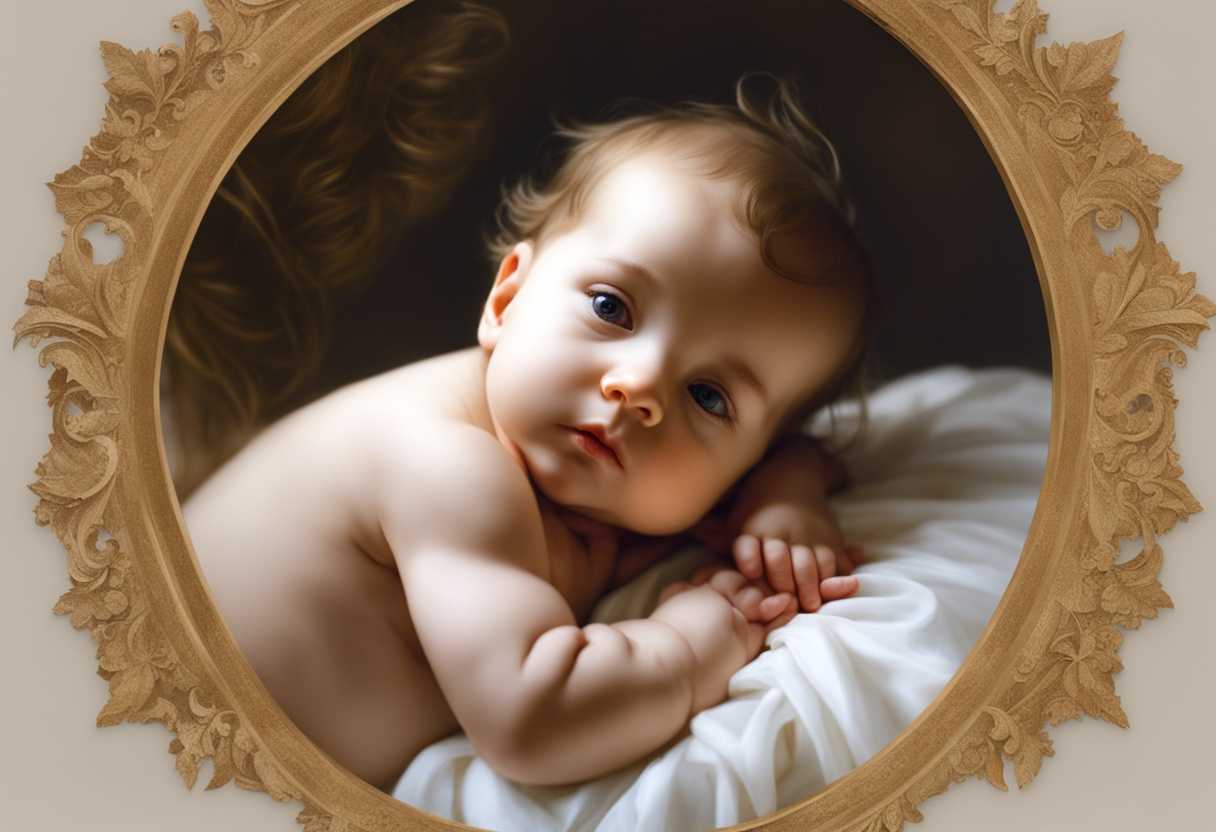
In the Bible, “babe” often refers to an infant or young child, symbolizing innocence and purity (Luke 2:12). It can also denote a new believer in Christ, emphasizing spiritual immaturity and the need for growth in faith (1 Peter 2:2).
Scripture
12 And this will be a sign for you: you will find a baby wrapped in swaddling cloths and lying in a manger.
13 And suddenly there was with the angel a multitude of the heavenly host praising God and saying,
14 “Glory to God in the highest, and on earth peace among those with whom he is pleased!”
15 When the angels went away from them into heaven, the shepherds said to one another, “Let us go over to Bethlehem and see this thing that has happened, which the Lord has made known to us.”
16 And they went with haste and found Mary and Joseph, and the baby lying in a manger.
Biblical Meaning of “Babe”
The term “babe” in the Bible serves as a powerful symbol of both literal and metaphorical innocence. In its literal sense, as seen in passages such as Luke 2:12, where the angel announces the birth of Jesus as a babe wrapped in swaddling clothes, it reflects the purity and humility associated with new life. This idea of innocence sways believers to consider qualities such as trust, openness, and dependence on God, akin to how a child relies on parents for care and guidance. The importance of childlike faith is captured in Matthew 18:3, where Jesus encourages His followers to become like children in their openness to receive the Kingdom of Heaven.
On a deeper spiritual level, the concept of a “babe” also embodies the essence of new believers in Christ, as illustrated in 1 Peter 2:2, which urges believers to “long for the pure milk of the word, so that by it you may grow in respect to salvation.” Here, the metaphor shifts towards spiritual immaturity, highlighting the importance of nourishment for growth and maturity in faith. Believers are invited to shed the old self and embrace a new identity in Christ, signifying the process of spiritual formation. This dual meaning of “babe” underscores the journey of faith—beginning with the innocence of spiritual rebirth and culminating in the call to grow deeper in understanding, character, and discipleship. Thus, “babe” in the biblical context addresses both the beauty of new beginnings and the critical necessity of spiritual progression.
The biblical concept of “babe” can also reflect the vulnerability inherent in newness, whether in life or faith. For instance, the metaphor of a babe invokes a sense of fragility, emphasizing the need for protection and nurturing. This is seen in descriptions of spiritual formation, which often highlight the dependency of believers on established elements of the faith community, such as guidance from mature Christians, the church, and the scriptures themselves. The imagery of being “babe” suggests a journey where individuals are encouraged to lean on each other and seek nurturing environments that foster growth, paralleling how a physical baby requires a safe space to thrive.
Moreover, the idea of a spiritual babe also serves as a call for accountability within the community of believers. Just as parents are tasked with caring for their young, the church is called to guide those who are new in their faith, creating an atmosphere of support and encouragement. This dual emphasis on reliance and responsibility points to the relational aspect of faith; it is not merely an individual journey but a communal one as well. Therefore, the biblical understanding of “babe” encompasses the journey of vulnerability, dependence, and the essential roles played by both individuals and the faith community in nurturing spiritual growth. This relational dynamic enriches the believer’s experience, encouraging maturity while still holding onto the innocence that originally drew them to faith.
Innocence and Purity
In the Bible, the term “babe” often symbolizes innocence and purity. Infants are seen as untainted by the complexities and moral failings of the adult world. This representation highlights the value of approaching faith with a pure heart and a childlike trust in God. The imagery of a babe serves as a reminder of the simplicity and sincerity that should characterize one’s relationship with the divine.
Spiritual Growth and Maturity
The concept of “babe” also relates to spiritual growth and the journey toward maturity in faith. New believers are often referred to as “babes in Christ,” indicating that they are at the beginning of their spiritual journey. This metaphor emphasizes the need for nourishment through teachings and experiences that foster growth, encouraging believers to move beyond the basics of faith and develop a deeper understanding and relationship with God.
Dependence and Trust
Another broader meaning of “babe” in the biblical context is the idea of dependence and trust. Just as an infant relies entirely on caregivers for sustenance, safety, and guidance, believers are called to depend on God for their spiritual needs. This dependence reflects a posture of humility and trust, acknowledging that human strength is insufficient without divine support. The imagery of a babe encourages believers to lean on God’s wisdom and provision in their lives.
How to Embrace Innocence for Spiritual Growth
Embracing innocence for spiritual growth is a beautiful journey that invites us to return to a childlike faith, as Jesus encouraged in Matthew 18:3 when He said, “Unless you change and become like little children, you will never enter the kingdom of heaven.” This call to innocence isn’t about naivety; rather, it’s about shedding the burdens of cynicism and pride that often cloud our hearts. To cultivate this innocence, we can start by practicing humility, being open to learning, and approaching our faith with wonder and curiosity. Spend time in prayer, asking God to reveal the simple joys of His creation and the profound truths of His Word. Engage with others in love and kindness, seeing them through the eyes of Christ, and allow yourself to be vulnerable in your relationships with Him and others. As you embrace this innocence, you’ll find that your spiritual growth flourishes, leading you to a deeper understanding of God’s grace and a more profound connection with His love.
Bible References to the Meaning of “Babe”:
1 Peter 2:1-3: 1 So put away all malice and all deceit and hypocrisy and envy and all slander.
2 Like newborn infants, long for the pure spiritual milk, that by it you may grow up into salvation—
3 if indeed you have tasted that the Lord is good.
Matthew 21:15-16: 15 But when the chief priests and the scribes saw the wonderful things that he did, and the children crying out in the temple, “Hosanna to the Son of David!” they were indignant,
16 and they said to him, “Do you hear what these are saying?” And Jesus said to them, “Yes; have you never read, “‘Out of the mouth of infants and nursing babies you have prepared praise’?”
Psalm 8:1-2: 1 O Lord, our Lord, how majestic is your name in all the earth! You have set your glory above the heavens.
2 Out of the mouth of babies and infants, you have established strength because of your foes, to still the enemy and the avenger.
Isaiah 7:14-16: 14 Therefore the Lord himself will give you a sign. Behold, the virgin shall conceive and bear a son, and shall call his name Immanuel.
15 He shall eat curds and honey when he knows how to refuse the evil and choose the good.
16 For before the boy knows how to refuse the evil and choose the good, the land whose two kings you dread will be deserted.
Luke 1:41-44: 41 And when Elizabeth heard the greeting of Mary, the baby leaped in her womb. And Elizabeth was filled with the Holy Spirit,
42 and she exclaimed with a loud cry, “Blessed are you among women, and blessed is the fruit of your womb!
43 And why is this granted to me that the mother of my Lord should come to me?
44 For behold, when the sound of your greeting came to my ears, the baby in my womb leaped for joy.
Hebrews 5:12-14: 12 For though by this time you ought to be teachers, you need someone to teach you again the basic principles of the oracles of God. You need milk, not solid food.
13 for everyone who lives on milk is unskilled in the word of righteousness, since he is a child.
14 But solid food is for the mature, for those who have their powers of discernment trained by constant practice to distinguish good from evil.
1 Corinthians 3:1-3: 3 But I, brothers, could not address you as spiritual people, but as people of the flesh, as infants in Christ.
2 I fed you with milk, not solid food, for you were not ready for it. And even now you are not yet ready,
3 for you are still of the flesh. For while there is jealousy and strife among you, are you not of the flesh and behaving only in a human way?
Matthew 11:25-26: 25 At that time Jesus declared, “I thank you, Father, Lord of heaven and earth, that you have hidden these things from the wise and understanding and revealed them to little children;
26 yes, Father, for such was your gracious will.
Luke 10:21-22: 21 In that same hour he rejoiced in the Holy Spirit and said, “I thank you, Father, Lord of heaven and earth, that you have hidden these things from the wise and understanding and revealed them to little children; yes, Father, for such was your gracious will.
22 All things have been handed over to me by my Father, and no one knows who the Son is except the Father, or who the Father is except the Son and anyone to whom the Son chooses to reveal him.”

Reverend Ogunlade is a seasoned Church Minister with over three decades of experience in guiding and nurturing congregations. With profound wisdom and a serene approach, Reverend Ogunlade has carried out various pastoral duties, including delivering uplifting sermons, conducting religious ceremonies, and offering sage counsel to individuals seeking spiritual guidance. Their commitment to fostering harmony and righteousness within their community is exemplified through their compassionate nature, making them a beloved and trusted figure among the congregation.