
Author: Reverend Michael Johnson
-

What the Bible Says About the Meaning of Life
Bible verses and passages are segments of Scripture that convey spiritual teachings, moral guidance, and historical narratives, often serving as a source of inspiration and reflection for believers. Their meanings can often be understood through context, literary style, and theological interpretation, emphasizing the message of God’s love, redemption, and instruction for living a faithful life.…
-

What the Bible Says About the Meaning of Patriarchs
In the Bible, “patriarchs” refers to the founding fathers of the Israelite nation, primarily Abraham, Isaac, and Jacob, along with Jacob’s twelve sons. They are considered key figures in the covenant relationship with God and representative ancestors of the Israelite people. Scripture 1 Now the Lord said to Abram, “Go from your country and your…
-

What the Bible Says About the Meaning of “Shophet”
In the Bible, “shophet” (Hebrew: שֹׁופֵט) refers to a judge or ruler, particularly one who holds authority in legal matters and governance. This term is prominently used in the Book of Judges to describe leaders raised by God to deliver Israel from its enemies and administer justice. Scripture 16 Then the Lord raised up judges,…
-

What the Bible Says About Blame and Responsibility
In the Bible, blame often refers to attributing fault or responsibility for a wrongdoing or sin, as seen in passages that highlight human fallibility and the consequences of sin (e.g., Genesis 3:12-13). Blame can serve as a catalyst for repentance and acknowledgment of one’s own shortcomings before God (Psalm 51:3). Scripture 11 He said, “Who…
-

What the Bible Says: Rejoiceth Not in Iniquity
The phrase “rejoiceth not in iniquity” comes from 1 Corinthians 13:6, which emphasizes that love does not take pleasure in wrongdoing or sin. Instead, it reflects a commitment to truth and righteousness, highlighting the moral integrity of true love. Scripture 4 Love is patient and kind; love does not envy or boast; it is not…
-

What the Bible Says About Praying for the Saints: Understanding Its Meaning
In the Bible, praying for saints refers to interceding on behalf of fellow believers, reflecting the communal nature of the Christian faith. This practice is supported by passages such as James 5:16, which encourages believers to pray for one another, highlighting the importance of mutual support and spiritual solidarity among Christians. Scripture 18 praying at…
-
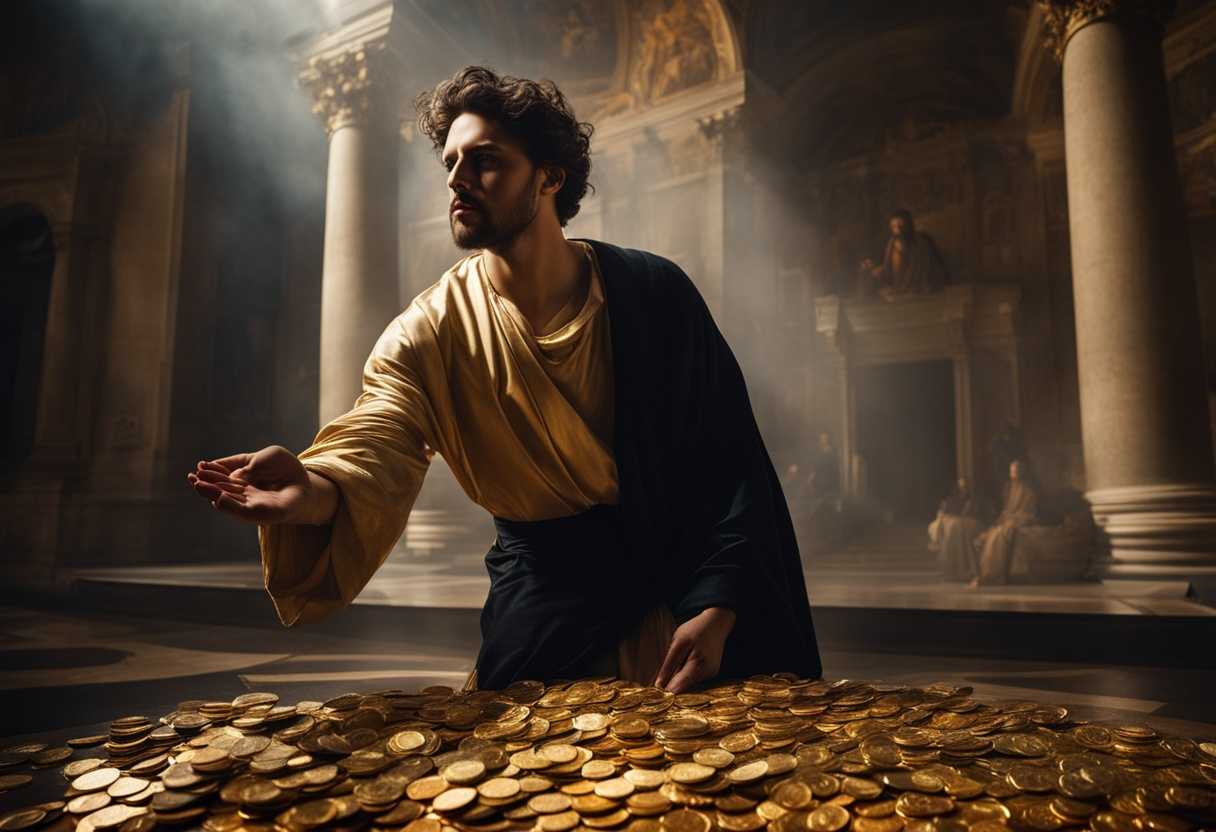
What the Bible Says About the Rich Young Ruler: Understanding Its Meaning
The rich young ruler, found in Matthew 19:16-22, refers to a wealthy young man who approached Jesus seeking eternal life but ultimately rejected the call to sell his possessions and follow Him. This story illustrates the challenges of prioritizing wealth and possessions over spiritual commitment and discipleship. Scripture 16 And behold, a man came up…
-

What the Bible Says About Onanism: Understanding Its Definition and Context
In the Bible, Onanism refers to the act of contraceptive withdrawal, derived from the story of Onan in Genesis 38:9-10, where Onan intentionally spills his seed to avoid providing offspring for his deceased brother. The term has since evolved to broadly refer to masturbation, though the biblical context emphasizes disobedience and the rejection of family…
-

What the Bible Says About the Meaning of Strange Fire
In the Bible, “strange fire” refers to unauthorized or improper offerings to God, specifically noted in Leviticus 10:1-2, where Aaron’s sons Nadab and Abihu offered fire not commanded by God, resulting in their death. This term symbolizes the importance of adhering to God’s prescribed worship practices and the seriousness of approaching Him with reverence. Scripture…
-

What the Bible Says About the Meaning of the First Men
The “first men” in the Bible typically refers to Adam, who is described as the first human created by God in the Book of Genesis (Genesis 2:7). He represents the beginning of humanity and the establishment of a relationship between God and mankind. Scripture 26 Then God said, “Let us make man in our image,…