
Author: Reverend Michael Johnson
-

What does 2 Chronicles 13:1-22 really mean?
2 Chronicles 13:1-22 is about the power struggle between King Abijah of Judah and King Jeroboam of Israel, demonstrating the importance of remaining faithful to God in times of conflict and the ultimate victory of righteousness over evil. 13 In the eighteenth year of King Jeroboam, Abijah began to reign over Judah. 13 He reigned…
-
What does 2 Kings 10:30-31 really mean?
2 Kings 10:30-31 is about God’s judgment upon the house of Ahab through Jehu, highlighting the fulfillment of divine prophecy, while also emphasizing that despite Jehu’s zealous actions against Baal worship, he did not fully adhere to following the Lord, demonstrating the complexity of faithfulness and the dangers of incomplete obedience. 30 And the Lord…
-

What does 2 Chronicles 32:20-22 really mean?
2 Chronicles 32:20-22 is about King Hezekiah’s earnest prayer and reliance on God during a time of crisis when faced with the Assyrian threat, illustrating the importance of faith and divine intervention in overcoming seemingly insurmountable challenges. 20 Then Hezekiah the king and Isaiah the prophet, the son of Amoz, prayed because of this and…
-

What does Nehemiah 7:39-42 really mean?
Nehemiah 7:39-42 is about the enumeration of the priestly lineage and the return of the priests and Levites to Jerusalem, highlighting the importance of restoring the religious community and maintaining the covenant identity of Israel after the Babylonian exile. 39 The priests: the sons of Jedaiah, namely the house of Jeshua, 973. 40 The sons…
-

What does Nehemiah 7:6 really mean?
Nehemiah 7:6 is about the enumeration of the exiles who returned to Jerusalem, emphasizing the restoration of the Jewish people after their Babylonian captivity and the importance of community and heritage in rebuilding their identity and worship. 6 These were the people of the province who came up out of the captivity of those exiles…
-

What does Nehemiah 7:5-73 really mean?
Nehemiah 7:5-73 is about the meticulous recording of the names and genealogies of the exiled Israelites who returned to Jerusalem, emphasizing the restoration of the community and the importance of heritage and belonging in the rebuilding of their identity after exile. 5 Then my God put it into my heart to assemble the nobles and…
-

What does Matthew 5-7 really mean?
Matthew 5-7 is about the teachings of Jesus known as the Sermon on the Mount, which emphasizes the importance of inner righteousness, ethical living, and the transformative nature of love and humility in the pursuit of true faith and discipleship. 1 Seeing the crowds, he went up on the mountain, and when he sat down,…
-
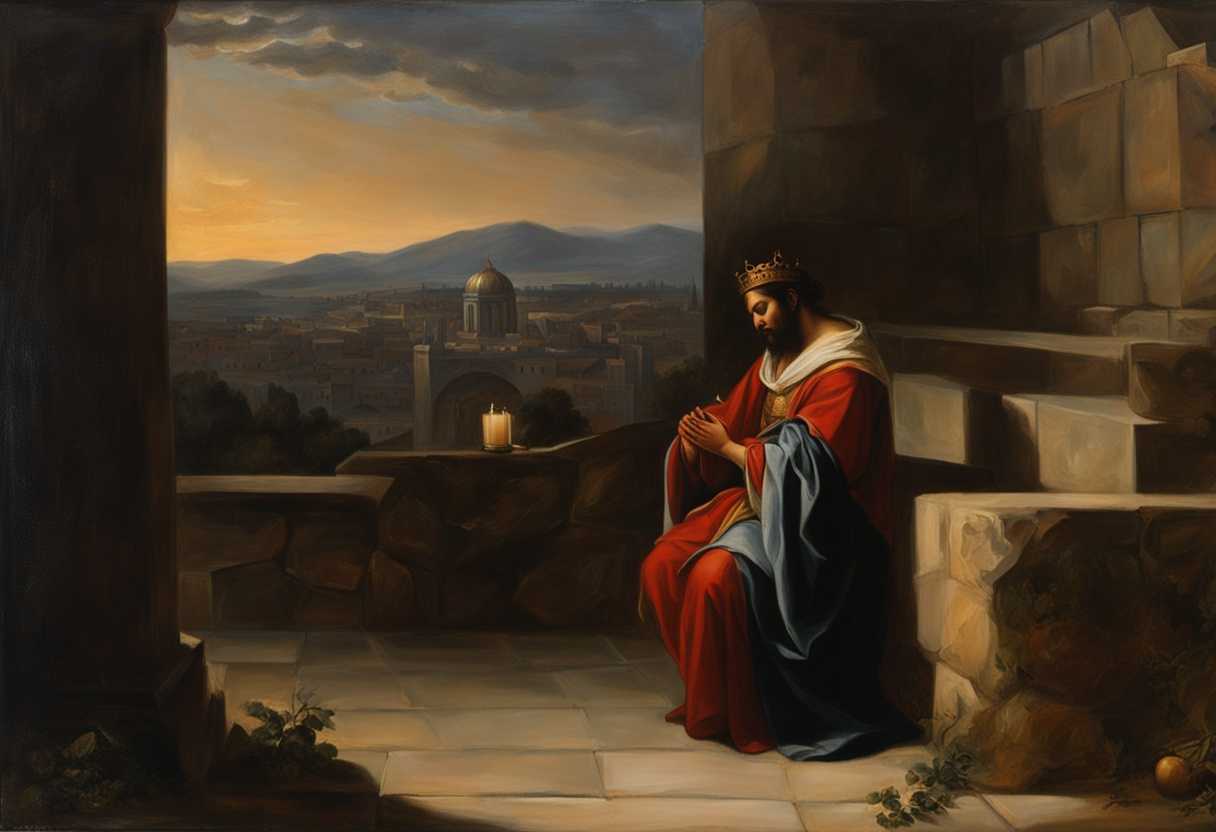
What does 2 Chronicles 33:1-20 really mean?
2 Chronicles 33:1-20 is about the reign of King Manasseh of Judah, highlighting his initial idolatry and wickedness, his subsequent repentance during captivity, and the restoration he sought upon returning to Jerusalem, illustrating the themes of sin, repentance, and God’s willingness to forgive. 2 And he did what was evil in the sight of the…
-
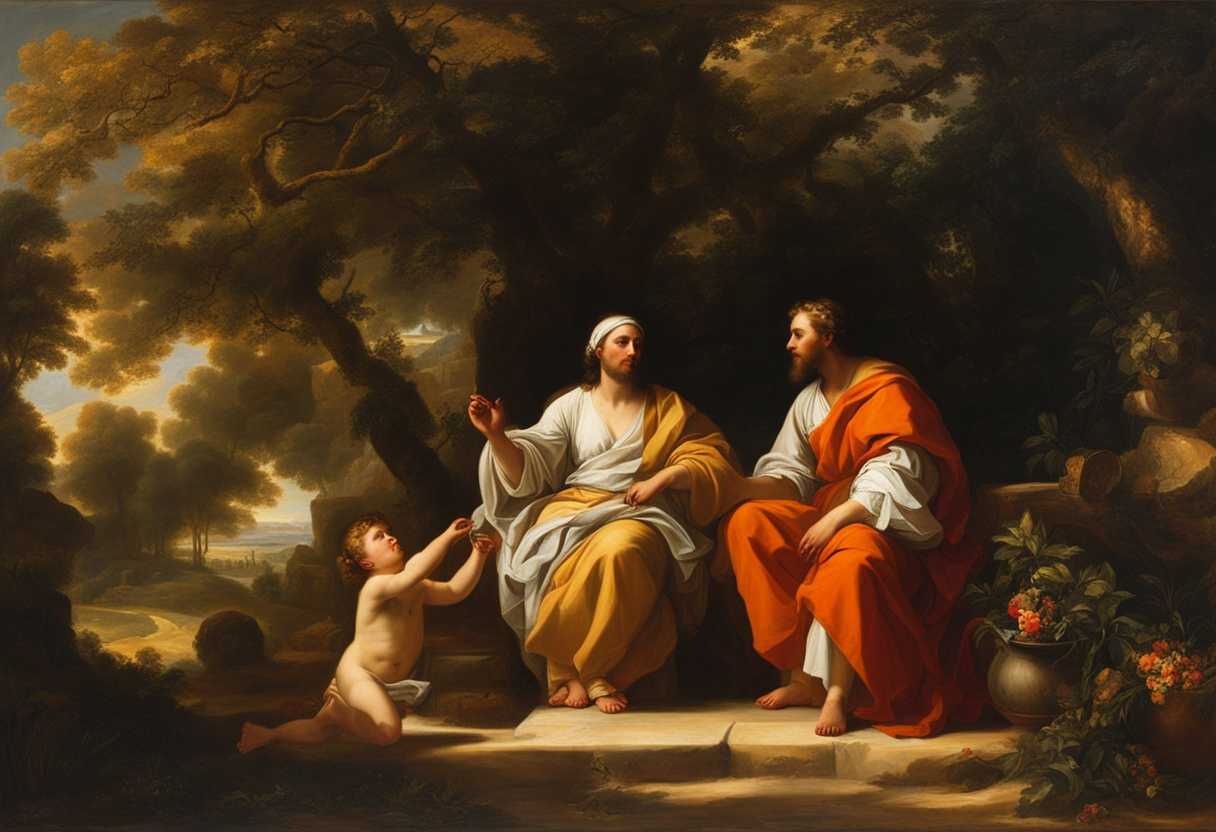
What does Genesis 49:13-15 really mean?
Genesis 49:13-15 is about the prophetic blessings Jacob gives to his son Zebulun, highlighting his future role as a seafaring tribe that will thrive through trade and commerce, while also reflecting themes of strength, adaptability, and the importance of embracing one’s destiny in a diverse and challenging environment. 13 “Zebulun shall dwell at the shore…
-

What does Genesis 45:1-3 really mean?
Genesis 45:1-3 is about Joseph revealing his identity to his brothers, demonstrating themes of forgiveness, reconciliation, and the divine orchestration of events, as he reassures them that their betrayal ultimately served a greater purpose in God’s plan for the survival of their family during famine. 1 Then Joseph could not control himself before all those…