
Author: Reverend Michael Johnson
-

What does Numbers 29:12-16 really mean?
Numbers 29:12-16 is about the instructions given to the Israelites for the offerings of animals, grains, and drink offerings to be presented during the Feast of Tabernacles, emphasizing the importance of giving thanks and celebrating God’s provision and presence. 12 “On the fifteenth day of the seventh month you shall have a holy convocation. You…
-
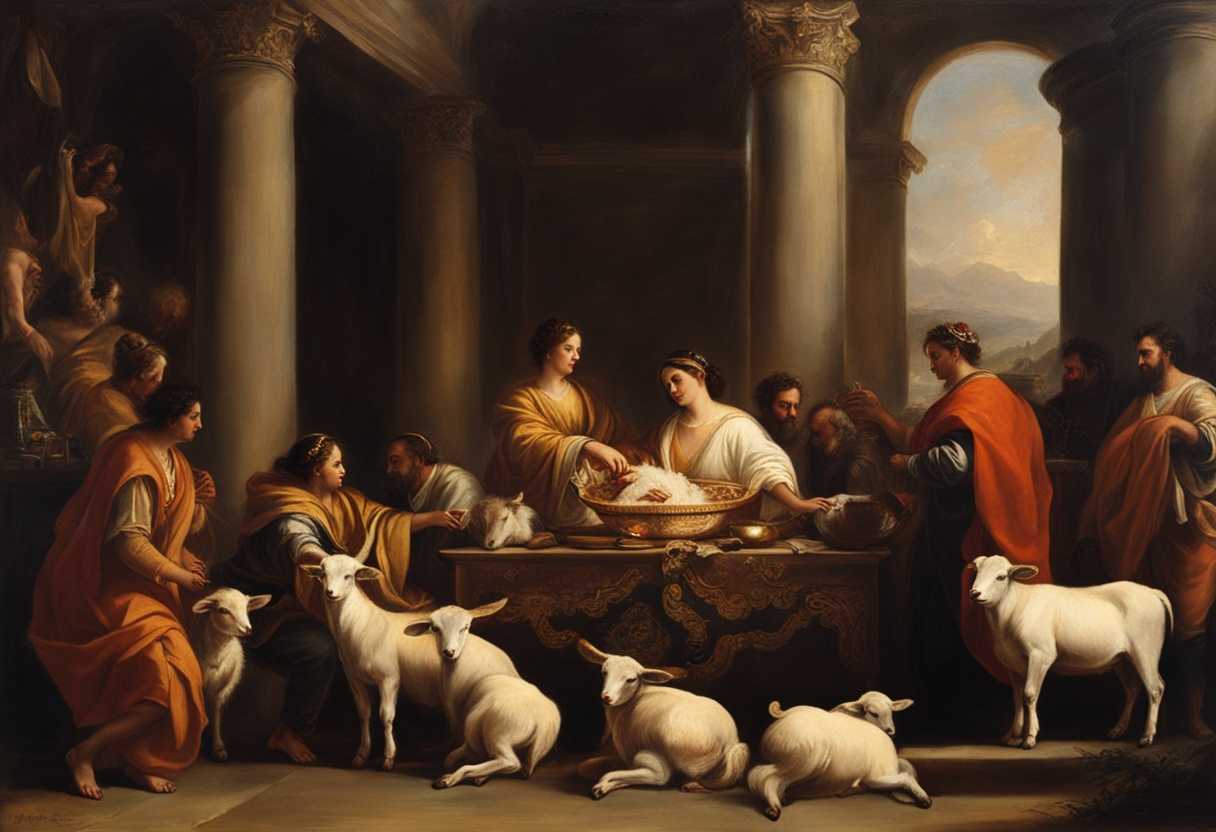
What does Numbers 29:32-34 really mean?
Numbers 29:32-34 is about the representation of the sacrifices made by the people to God, acknowledging His provision and blessings, as well as their commitment to follow His instructions. 32 And on the seventh day you shall have a holy convocation. You shall not do any ordinary work. 33 On the fifteenth day of the…
-

What does Numbers 3:11-13 really mean?
Numbers 3:11-13 is about the Levites being chosen by God to serve in the tabernacle in place of the firstborn sons of Israel, symbolizing the importance of dedicating our lives to serving God and following His divine calling. 11 And the Lord spoke to Moses, saying, 12 “Now behold, I have taken the Levites from…
-

What does 2 Samuel 6:1-7 really mean?
2 Samuel 6:1-7 is about the reverence and respect that should be shown towards God, as demonstrated by the tragic consequences of Uzzah’s irreverent act of touching the ark of the covenant. 1 David again gathered all the chosen men of Israel, thirty thousand. 2 And David arose and went with all the people who…
-

What does Numbers 29:29-31 really mean?
Numbers 29:29-31 is about the offering of various sacrifices, including a burnt offering of one bull, one ram, and seven male lambs each day for seven consecutive days, symbolizing dedication, atonement, and worship of God. 29 And on the sixth day eight bulls, two rams, and fourteen male lambs a year old without blemish, 30…
-

What does Numbers 3:33-37 really mean?
Numbers 3:33-37 is about the specific duties assigned to the Levite clan of the Merarites in the transportation and assembly of the Tabernacle, highlighting the importance of each individual’s role in the service of God. 33 from thirty years old up to fifty years old, all who can come on duty, to do the work…
-

What does Deuteronomy 34:1-5 really mean?
Deuteronomy 34:1-5 is about the closure of Moses’ leadership and the transition of leadership to Joshua, symbolizing the completion of one chapter and the beginning of a new era in the history of the Israelites. 4 And the Lord said to him, “This is the land of which I swore to Abraham, to Isaac, and…
-

What does Numbers 19:20-22 really mean?
Numbers 19:20-22 is about the purification ritual using the ashes of the red heifer to cleanse individuals who have come into contact with a dead body, symbolizing the need for spiritual cleansing and purification from the defilement of sin. 20 But the man who is unclean and does not cleanse himself, that person shall be…
-

What does Deuteronomy 32:39-43 really mean?
Deuteronomy 32:39-43 is about the recognition of God’s ultimate power and authority over life and death, His justice in avenging the wrongs done to His people, and the call for nations to rejoice in His redemption and provision for his chosen people. 39 “‘See now that I, even I, am he, and there is no…
-
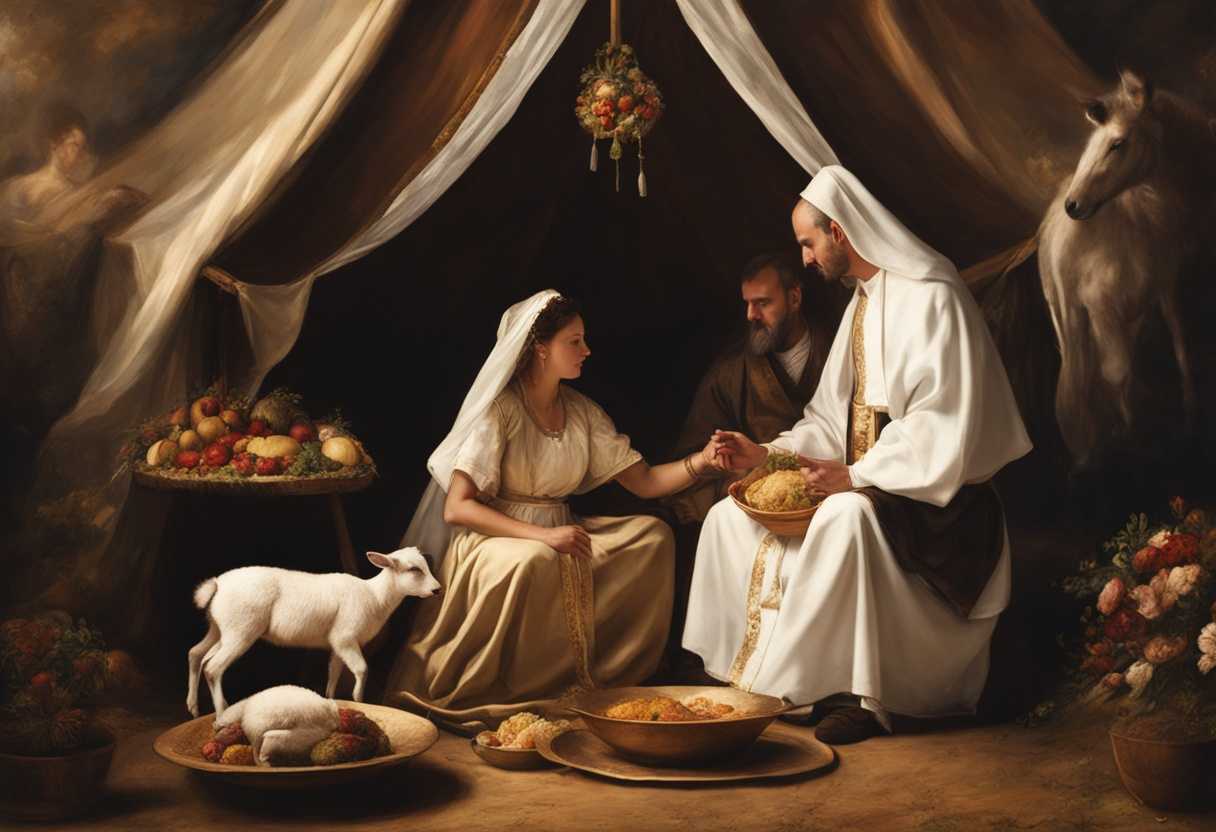
What does Leviticus 12:6 really mean?
Leviticus 12:6 is about the purification ritual that a woman was required to undergo after giving birth, symbolizing a restoration to spiritual purity and a new beginning. 6 “And when the days of her purifying are completed, whether for a son or for a daughter, she shall bring to the priest at the entrance of…