
Author: Reverend Michael Johnson
-

What does Isaiah 10:26 really mean?
Isaiah 10:26 is about God’s promise to break the yoke of oppression and free His people from the burdens placed upon them by their enemies. 26 And the Lord of hosts will wield against them a whip, as when he struck Midian at the rock of Oreb. And his staff will be over the sea,…
-

What does Leviticus 7:28-38 really mean?
Leviticus 7:28-38 is about the specific regulations and instructions given by God to the Israelites regarding the offering of sacrifices, emphasizing the laws of sacrifice as a means of atonement for sins and displaying gratitude towards God. 28 The Lord spoke to Moses, saying, 29 “Speak to the people of Israel, saying, ‘Whoever offers the…
-

What does Leviticus 3:1-17 really mean?
Leviticus 3:1-17 is about the peace offering sacrifice as a symbol of thanksgiving and fellowship between God and His people, emphasizing the importance of gratitude and communion in the relationship with the divine. 1 “If his offering is a sacrifice of peace offering, if he offers an animal from the herd, male or female, he…
-
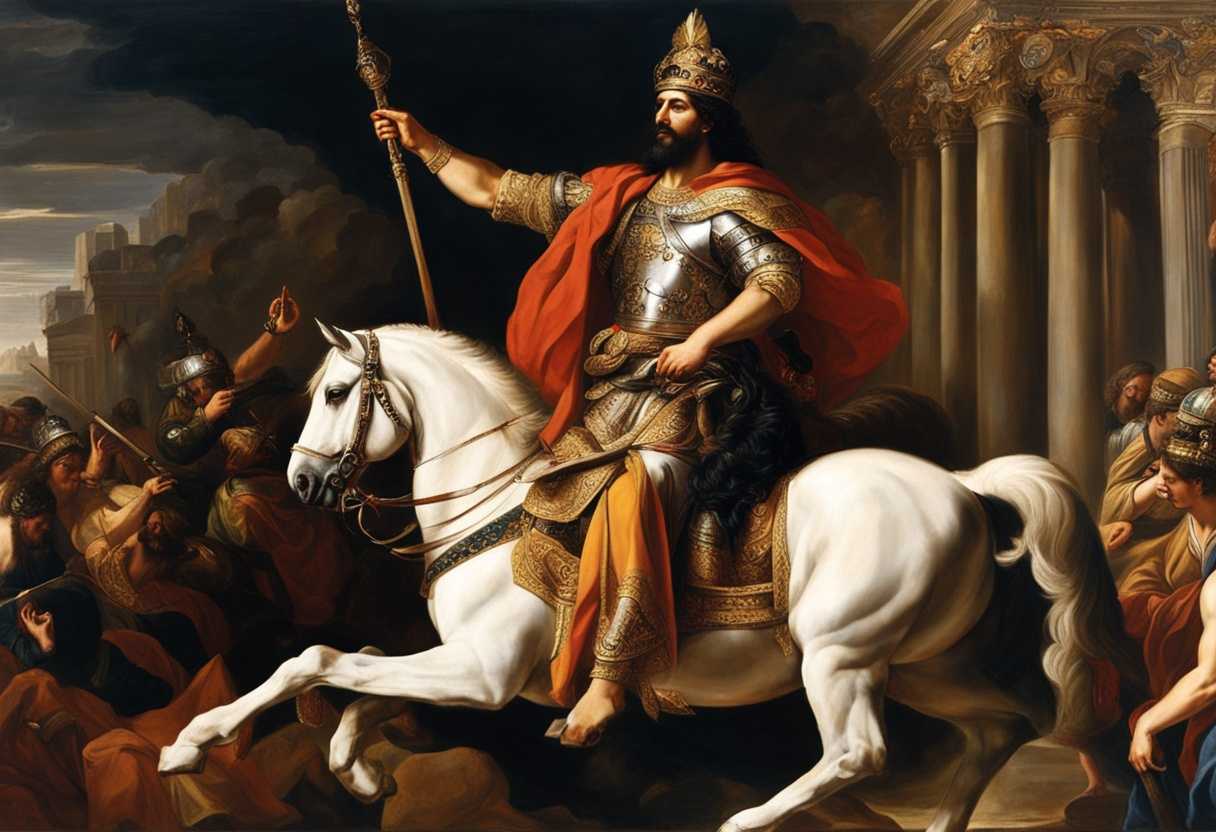
What does Isaiah 10:12-19 really mean?
Isaiah 10:12-19 is about God using the Assyrian Empire as a tool to punish Israel’s pride and arrogance, displaying His sovereignty and justice over both the oppressor and the oppressed. 12 When the Lord has finished all his work on Mount Zion and on Jerusalem, he will punish the speech of the arrogant heart of…
-

What does Isaiah 10:20-23 really mean?
Isaiah 10:20-23 is about the remnant of Israel that will return to the Lord after experiencing devastation, showing that God’s judgment is balanced with mercy and restoration for those who remain faithful. 20 In that day the remnant of Israel and the survivors of the house of Jacob will no more lean on him who…
-

What does Leviticus 8:6-9 really mean?
Leviticus 8:6-9 is about the consecration of Aaron and his sons as priests by Moses, symbolizing their purification and anointment for their sacred duty to serve God and the community. 6 And Moses brought Aaron and his sons and washed them with water. 7 And he put the coat on him and tied the sash…
-

What does Leviticus 8:14-17 really mean?
Leviticus 8:14-17 is about the anointing of Aaron the high priest and his sons, symbolizing their consecration and empowerment by God for their sacred duties in the tabernacle. 14 Then he brought the bull of the sin offering, and Aaron and his sons laid their hands on the head of the bull of the sin…
-
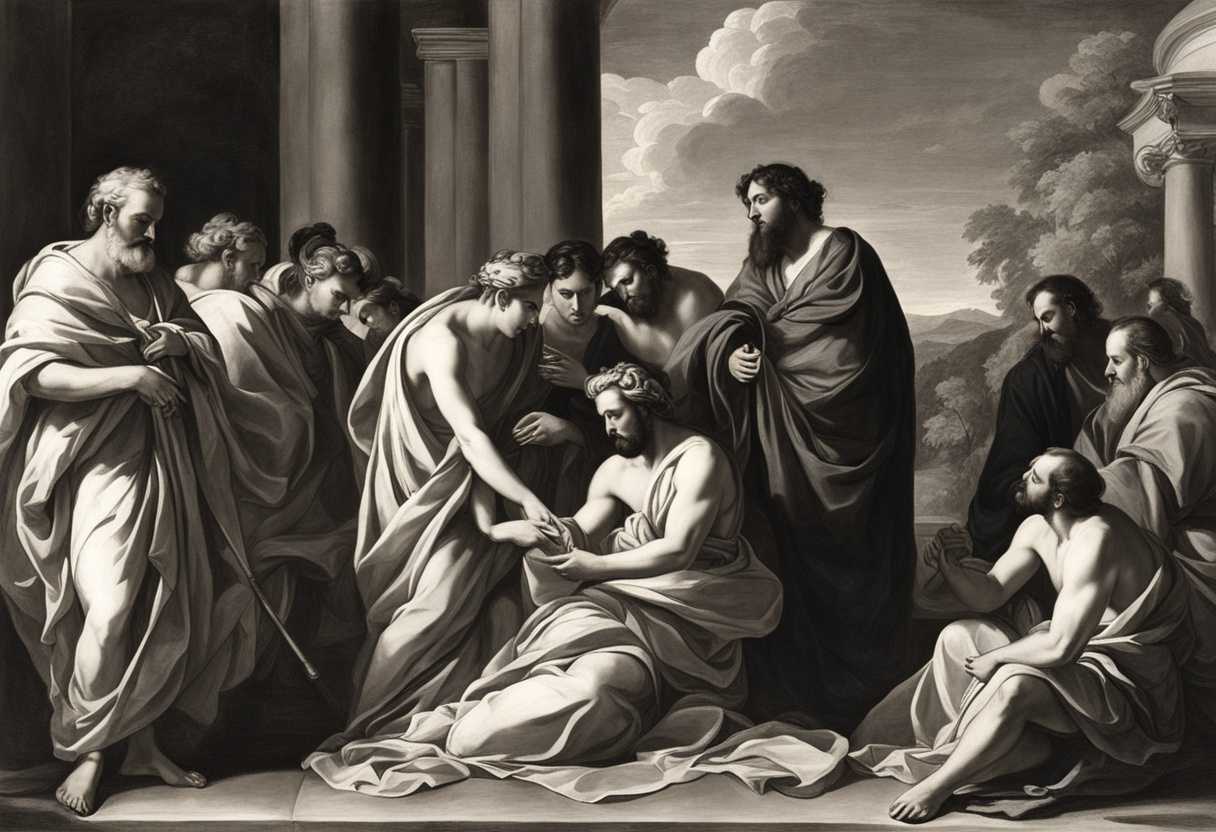
What does Leviticus 8:18-21 really mean?
Leviticus 8:18-21 is about the process of consecration and ordination of Aaron and his sons as priests, symbolizing their separation to serve God and the community in a holy and sacred manner. 18 Then he presented the ram of the burnt offering, and Aaron and his sons laid their hands on the head of the…
-

What does Micah 5:7-8 really mean?
Micah 5:7-8 is about the restoration and triumph of God’s chosen people, symbolized by a remnant standing firm and victorious even in the midst of adversity and enemies. 7 Then the remnant of Jacob shall be in the midst of many peoples like dew from the Lord, like showers on the grass, which delay not…
-

What does Isaiah 10:6-7 really mean?
Isaiah 10:6-7 is about God using the Assyrian nation as a tool to carry out His judgment and discipline on Israel for their disobedience and arrogance, while also holding the Assyrians accountable for their pride and cruelty in the process. 6 Against a godless nation I send him, and against the people of my wrath…