
Author: Reverend Michael Johnson
-

What does Proverbs 7:10-15 really mean?
Proverbs 7:10-15 is about the dangers of succumbing to temptation and falling into the seductive traps of immorality and adultery. 10 And behold, the woman meets him, dressed as a prostitute, wily of heart. 11 She is loud and wayward; her feet do not stay at home; 12 Now in the street, now in the…
-

What does Ezekiel 28:2-5 really mean?
Ezekiel 28:2-5 is about a prophecy against the king of Tyre, rebuking his pride and arrogance by comparing him to a powerful ruler who desired to be like a god but would ultimately face divine judgment for his sinful ways. 2 “Son of man, say to the prince of Tyre, Thus says the Lord God:…
-

What does Exodus 35:1-3 really mean?
Exodus 35:1-3 is about observing the Sabbath as a day of rest and refraining from work, emphasizing the importance of dedicating time to worship and spiritual renewal. 1 Moses assembled all the congregation of the people of Israel and said to them, “These are the things that the Lord has commanded you to do. 2…
-

What does Psalms 130:1-2 really mean?
Psalms 130:1-2 is about calling out to God in times of distress, acknowledging one’s sins and seeking His forgiveness and mercy. 1 Out of the depths I cry to you, O Lord! 2 O Lord, hear my voice! Let your ears be attentive to the voice of my pleas for mercy! Setting the Scene for…
-
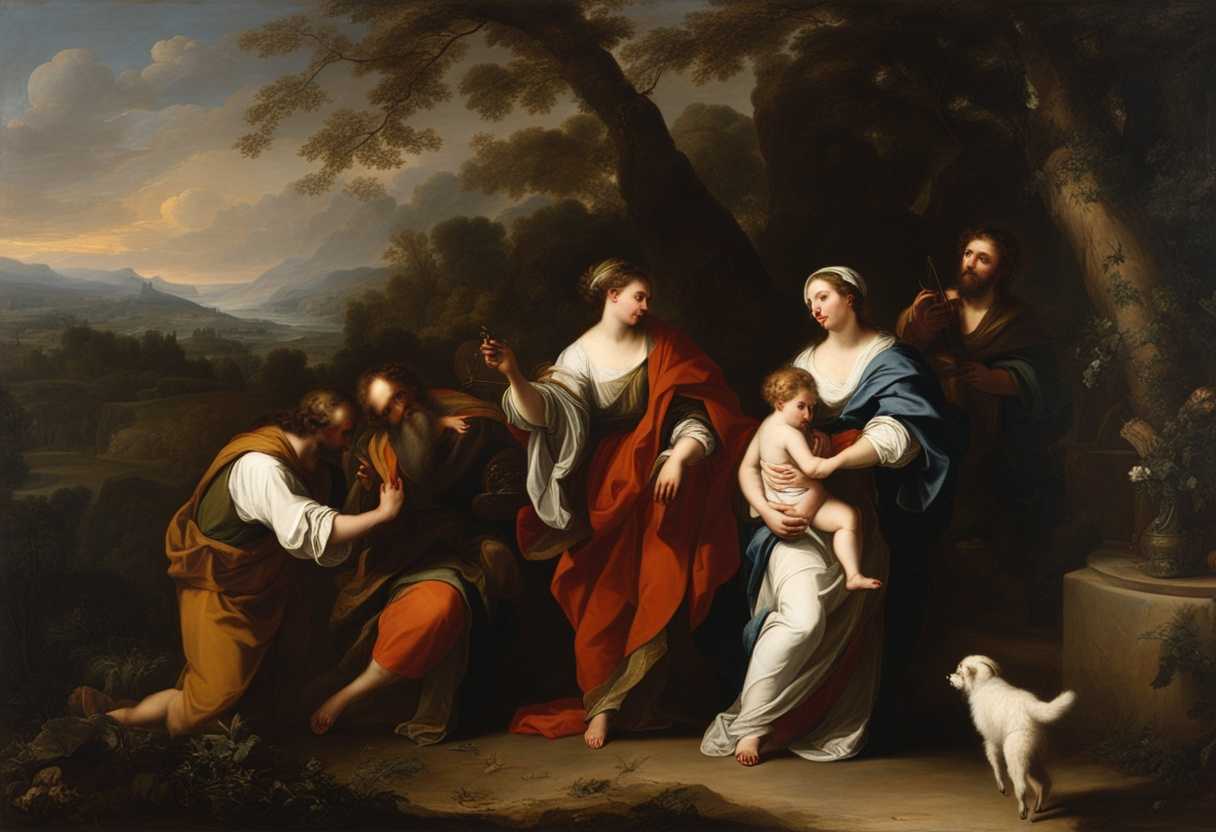
What does Genesis 21:8-14 really mean?
Genesis 21:8-14 is about God’s providence and faithfulness in providing for Hagar and Ishmael in their time of need, demonstrating that even in moments of desperation, God sees and cares for His people. 8 And the child grew and was weaned. And Abraham made a great feast on the day that Isaac was weaned. 9…
-

What does Jeremiah 40:7-12 really mean?
Jeremiah 40:7-12 is about the compassionate and protective guidance of God, as he appoints Gedaliah to govern the remnant of Judah following the destruction of Jerusalem, warning against rebellion and assuring safety for those who submit to the Babylonian rule. 7 When all the captains of the forces in the open country and their men…
-

What does Isaiah 1:13-17 really mean?
Isaiah 1:13-17 is about God rejecting empty religious rituals and emphasizing the importance of justice, mercy, and righteousness in the lives of his people. 13 Bring no more vain offerings; incense is an abomination to me. 14 Your new moons and your appointed feasts my soul hates; they have become a burden to me; I…
-

What does Acts 4:25-28 really mean?
Acts 4:25-28 is about how the early Christians recognized the opposition they faced from earthly rulers but found comfort in knowing that everything was part of God’s plan, leading them to pray for boldness and unity in spreading the message of Jesus Christ. 25 who through the mouth of our father David, your servant, said…
-

What does Deuteronomy 28:1-2, 15 really mean?
Deuteronomy 28:1-2, 15 is about the blessings and curses that come from following or disobeying God’s commandments, emphasizing the importance of obedience to God’s laws for a prosperous and fulfilling life. 1 “And if you faithfully obey the voice of the Lord your God, being careful to do all his commandments that I command you…
-

What does Isaiah 1:30 really mean?
“Isaiah 1:30 is about the consequences of turning away from God, which result in destruction and desolation.” 30 For you shall be like an oak whose leaf withers, and like a garden without water. Setting the Scene for Isaiah 1:30 In Isaiah chapter 1, we find a scene set in the ancient kingdom of Judah…