
Author: Reverend Michael Johnson
-

What the Bible Says About Like-Mindedness
In the Bible, “like-minded” refers to being in harmony or agreement in thoughts, beliefs, and attitudes among believers, particularly in the context of unity within the body of Christ (Philippians 2:2). It emphasizes the importance of mutual understanding and cooperation in pursuing God’s purposes. Scripture 5 May the God of endurance and encouragement grant you…
-

What the Bible Says About “Strove”
In the Bible, “strove” generally means to struggle, contend, or fight, often referring to conflicts or disputes. It appears in various contexts, indicating both physical and metaphorical struggles, such as in Genesis 26:22, where it describes the conflicts over wells between Isaac’s servants and the Philistines. Scripture 24 And Jacob was left alone. And a…
-

What the Bible Says About Self-Righteousness
In the Bible, self-righteousness refers to an attitude of moral superiority and a belief in one’s own righteousness, often accompanied by a lack of humility and judgment of others (Luke 18:9-14). It emphasizes reliance on one’s actions or status rather than on God’s grace for salvation. Scripture 6 We have all become like one who…
-

What the Bible Says About Oil and Wine Symbolism
In the Bible, oil often symbolizes anointing, healing, and the presence of the Holy Spirit, while wine represents joy, celebration, and the blood of Christ in the context of communion. Together, they signify spiritual nourishment and the blessings of God’s covenant with His people. Scripture 18 So early in the morning Jacob took the stone…
-

What the Bible Says About Hoary
In the Bible, “hoary” refers to gray or white hair, often symbolizing age, wisdom, and experience. It is used to convey respect for the elder’s insight and authority, as seen in Proverbs 16:31, which states that “the hoary head is a crown of glory.” Scripture 32 “You shall stand up before the gray head and…
-

What the Bible Says About “Surely” and Its Meaning
In the Bible, “surely” is used to convey certainty and assurance, often emphasizing the truth or seriousness of a statement. It reflects God’s promises or the inevitable fulfillment of His word, as seen in phrases like “surely I will be with you” (Exodus 3:12). Scripture 14 Is anything too hard for the Lord? At the…
-
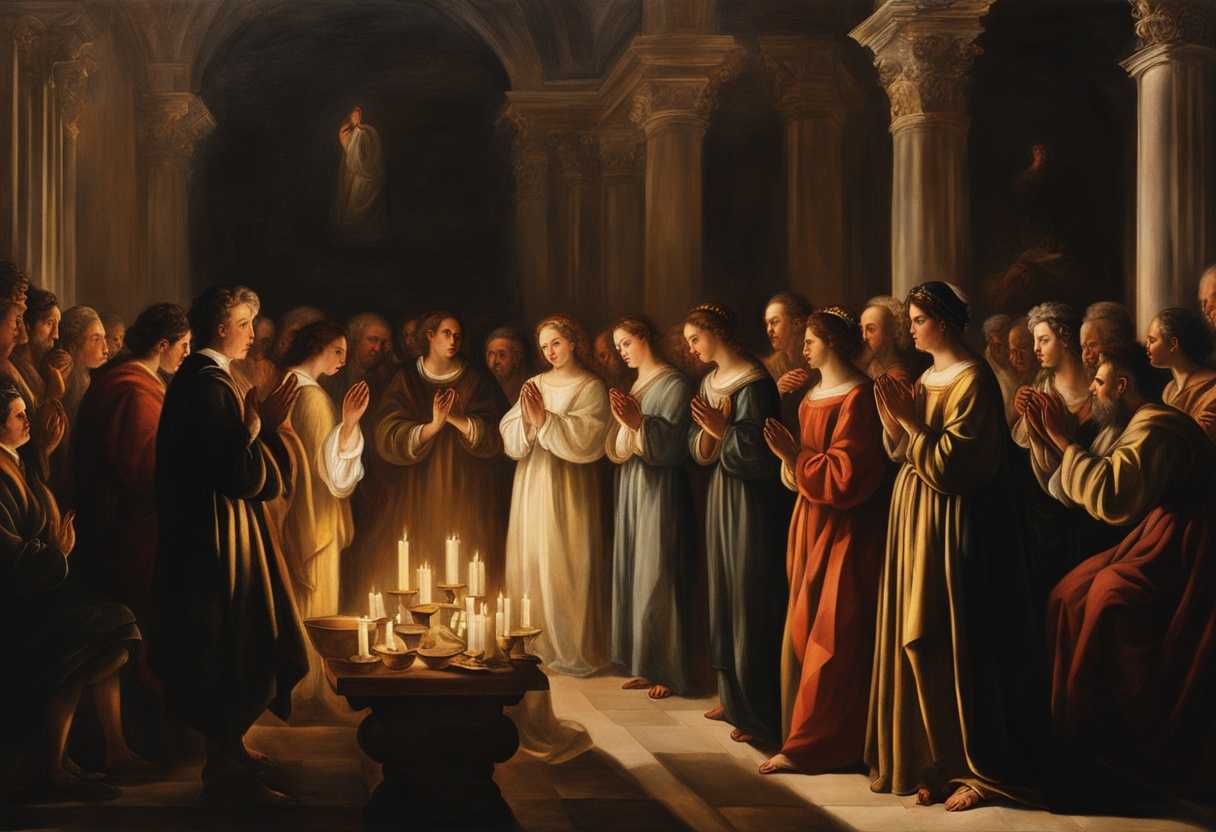
What the Bible Says About Convocation
In the Bible, a convocation refers to a solemn assembly or gathering of people for a religious purpose, often associated with the observance of sacred festivals or worship. It signifies the act of calling together God’s people to worship, as seen in passages such as Leviticus 23, where various feasts are described as holy convocations.…
-

What the Bible Says About Waywardness
In the Bible, “wayward” refers to someone who is prone to straying from the truth or moral path, often displaying rebellious or disobedient behavior. It embodies a sense of turning away from God’s guidance, as seen in verses like Proverbs 12:15, where a wayward person is seen as foolish in their choices. Scripture 22 “How…
-

What the Bible Says About Revilers: Understanding Its Meaning
In the Bible, a reviler is typically defined as someone who speaks abusively or contemptuously about others, particularly in a way that harms their reputation. Reviling is condemned in scripture, as it is associated with unwholesome speech and can lead to strife and division among believers (e.g., 1 Corinthians 6:10). Scripture 9 I wrote to…
-

What the Bible Says About Conies
In the Bible, conies (or hyraxes) are small, herbivorous mammals mentioned in Proverbs 30:26 and Psalm 104:18, noted for their rock-dwelling habits and wisdom in seeking shelter. They symbolize reliance on protective environments and are often highlighted for their vulnerability compared to larger animals. Scripture 5 And the rock badger, because it chews the cud…