
Category: Genesis
-

What does Genesis 29:25-27 really mean?
Genesis 29:25-27 is about Jacob’s realization that he has been deceived into marrying Leah instead of Rachel, highlighting themes of deception, the complexities of love and marriage, and the consequences of human choices within the divine plan. 25 And in the morning, behold, it was Leah! And Jacob said to Laban, “What is this you…
-

What does Genesis 41-42 really mean?
Genesis 41-42 is about Joseph interpreting Pharaoh’s dreams and being raised to power in Egypt to ultimately save his family and numerous others from a severe famine, highlighting themes of divine providence, forgiveness, and the fulfillment of God’s plan. 1 After two whole years, Pharaoh dreamed that he was standing by the Nile. 2 And…
-

What does Genesis 15-18 really mean?
is about God renewing his covenant with Abram, promising him descendants as numerous as the stars and reaffirming his promise of land inheritance. 1 After these things the word of the Lord came to Abram in a vision: “Fear not, Abram, I am your shield; your reward shall be very great.” 2 But Abram said,…
-
What does Genesis 21:30 really mean?
Genesis 21:30 is about the solemn oath and covenant made between Abraham and Abimelek to settle a dispute over a well, demonstrating the importance of honesty, trust, and peaceful resolutions in maintaining good relationships. 30 He said, “You shall take these seven ewe lambs from my hand, so that you may be a witness for…
-

What does Genesis 34:25-26 really mean?
Genesis 34:25-26 is about how the sons of Jacob, Simeon and Levi, took revenge on the people of Shechem by deceitfully convincing them to undergo circumcision as a way to avenge their sister Dinah’s rape, ultimately displaying the dangers of seeking retribution through manipulation and violence. 25 On the third day, when they were sore,…
-

What does Genesis 41:51-52 really mean?
Genesis 41:51-52 is about Joseph naming his firstborn son Manasseh, meaning “God has made me forget all my hardship and all my father’s household,” and his second son Ephraim, meaning “God has made me fruitful in the land of my affliction,” symbolizing Joseph’s journey from suffering to abundance and his gratitude towards God for the…
-

What does Genesis 48:5-6 really mean?
Genesis 48:5-6 is about Jacob formally adopting Joseph’s two sons, Ephraim and Manasseh, as his own heirs, symbolizing the continuation of God’s covenant and blessings through future generations and highlighting the significance of familial bonds in the faith journey. 5 And now your two sons, who were born to you in the land of Egypt…
-

What does Genesis 6-7 really mean?
Genesis 6-7 is about the divine judgment brought upon humanity due to its wickedness, exemplified through the story of Noah and the Ark, illustrating themes of sin, divine mercy, and the promise of renewal through a faithful remnant. 5 The Lord saw that the wickedness of man was great in the earth, and that every…
-
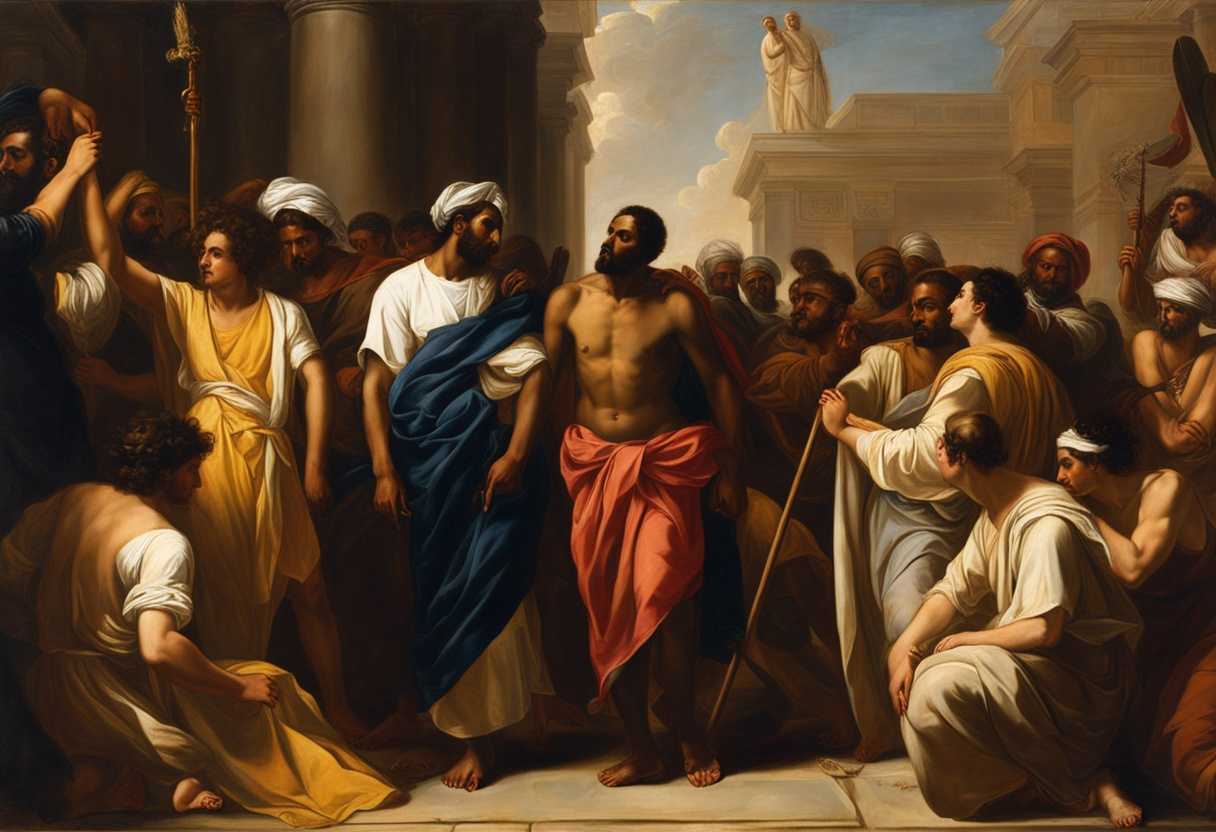
What does Genesis 39-41 really mean?
Genesis 39-41 is about Joseph’s journey from being sold into slavery to becoming a powerful ruler in Egypt, showcasing how God can turn trials into triumphs through faith and resilience. 1 Now Joseph had been brought down to Egypt, and Potiphar, an officer of Pharaoh, the captain of the guard, an Egyptian, had bought him…
-
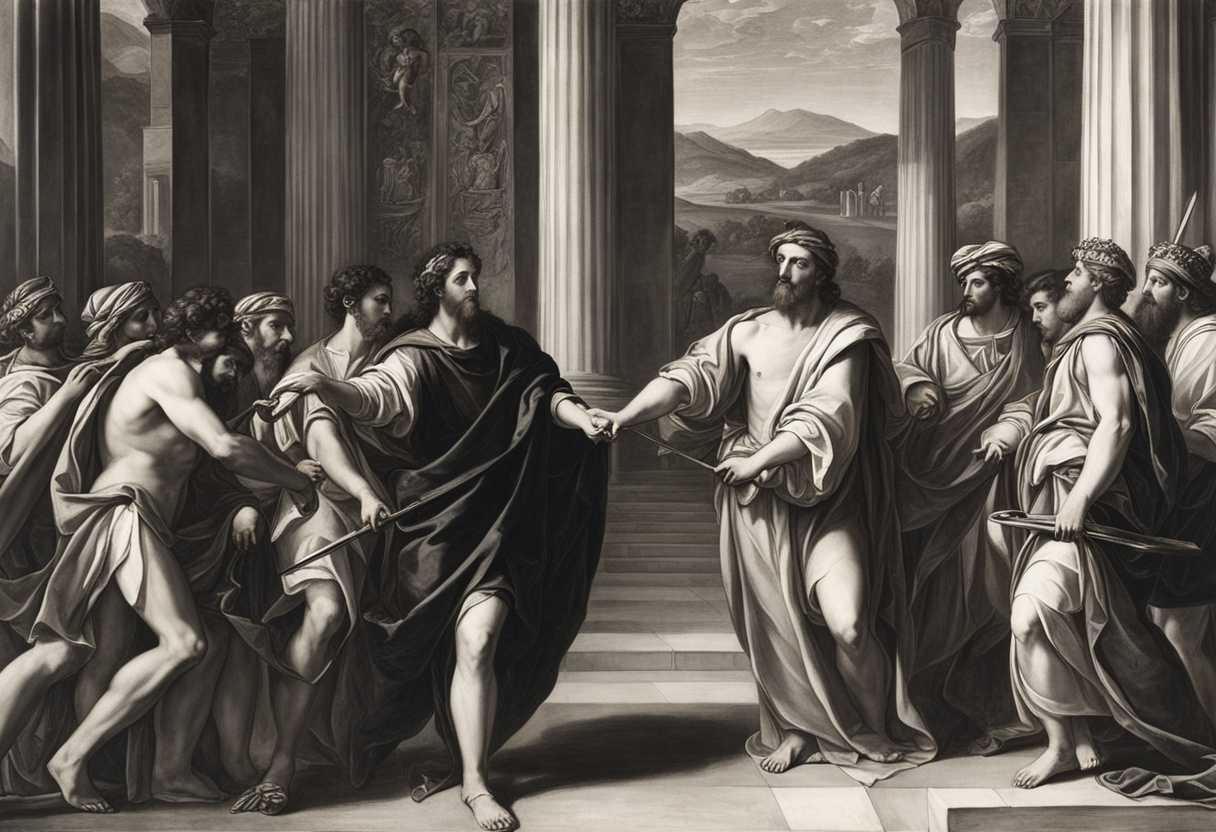
What does Genesis 23:16-18 really mean?
Genesis 23:16-18 is about Abraham purchasing a burial plot for his wife Sarah from the Hittites, demonstrating the importance of honoring the deceased with a proper resting place and showing respect for the customs and traditions of the people among whom one dwells. 16 Abraham listened to Ephron, and Abraham weighed out for Ephron the…