
Category: Judges
-

What does Judges 19:27-30 really mean?
Judges 19:27-30 is about the gruesome story of the Levite who dismembered his concubine’s body and sent the parts to the twelve tribes of Israel, revealing the depths of moral decay and societal breakdown during this period in Israel’s history. 27 And her master rose up in the morning, and when he opened the doors…
-

What does Judges 5:12-18 really mean?
Judges 5:12-18 is about the triumphant victory of the Israelites under the leadership of Deborah and Barak, where various tribes played crucial roles in defeating the enemies but others did not join the battle, highlighting the importance of unity and collaboration in achieving success. 12 “Awake, awake, Deborah! Awake, awake, break out in a song!…
-
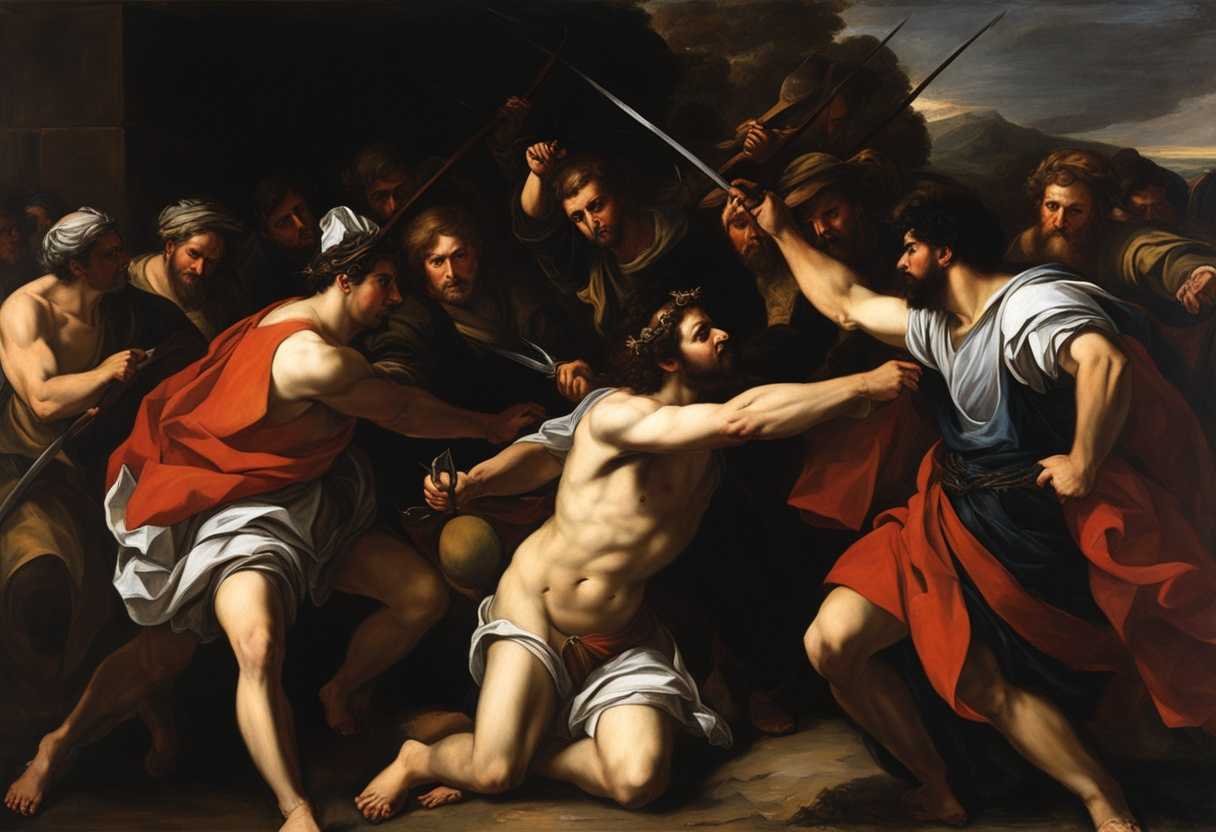
What does Judges 8:13-17 really mean?
Judges 8:13-17 is about Gideon’s strategic and clever use of deception during battle to achieve victory, showcasing the unforeseen ways in which God can work through human actions for His divine purpose. 13 Gideon the son of Joash returned from the battle by the ascent of Heres. 14 And he captured a young man of…
-

What does Judges 9:56-57 really mean?
Judges 9:56-57 is about how God repaid Abimelech for the evil he had done by causing his own followers to betray him, fulfilling the curse of Jotham’s parable and demonstrating the consequences of seeking power through deceit and violence. 56 Thus God returned the evil of Abimelech, which he committed against his father in killing…
-
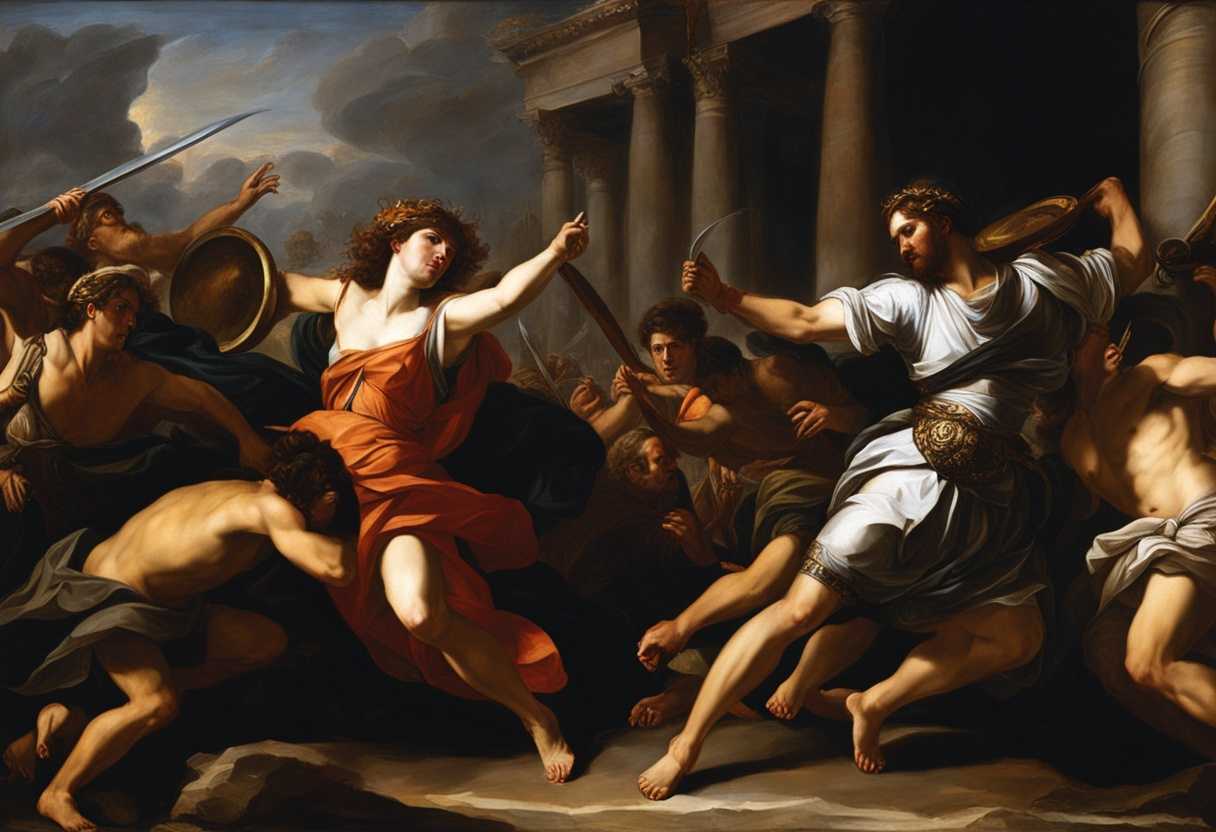
What does Judges 11:30-31 really mean?
Judges 11:30-31 is about Jephthah making a rash vow to sacrifice the first thing that comes out of his house if he is successful in battle, ultimately leading to a heartbreaking consequence with his daughter being the first to greet him upon his return. 30 And Jephthah made a vow to the Lord and said,…
-

What does Judges 11:29-33 really mean?
Judges 11:29-33 is about Jephthah making a rash vow to the Lord before going to battle, promising to sacrifice the first thing that comes out of his house if he is victorious, which tragically leads to him sacrificing his daughter as a burnt offering. 29 Then the Spirit of the Lord was upon Jephthah, and…
-

What does Judges 2:11-12 really mean?
Judges 2:11-12 is about the Israelites abandoning the Lord and worshipping other gods, leading to anger and judgment from God. 11 And the people of Israel did what was evil in the sight of the Lord and served the Baals. 12 and they abandoned the Lord, the God of their fathers, who had brought them…
-

What does Judges 16:23-25 really mean?
Judges 16:23-25 is about the deceitful manipulation of Samson by the Philistines in order to discover the source of his strength and ultimately overcome him, symbolizing the consequences of succumbing to worldly temptations and losing sight of one’s divine purpose. 23 Now the lords of the Philistines gathered to offer a great sacrifice to Dagon…
-

What does Judges 3:15-21 really mean?
Judges 3:15-21 is about Ehud, a left-handed man chosen by God to deliver the Israelites from the oppressive Moabites, who cunningly assassinated the Moabite king Eglon to bring liberation and peace to his people. 15 Then the people of Israel cried out to the Lord, and the Lord raised up for them a deliverer, Ehud,…
-

What does Judges 7:14-15 really mean?
Judges 7:14-15 is about Gideon hearing a Midianite soldier interpret a dream as a symbol that God will deliver the enemy into Gideon’s hands, strengthening Gideon’s faith in God’s victory and plan. 14 And his comrade answered, “This is no other than the sword of Gideon the son of Joash, a man of Israel; God…