
Category: Nehemiah
-
What does Nehemiah 7:61-65 really mean?
Nehemiah 7:61-65 is about the detailed record of those who returned from exile, emphasizing the importance of each individual’s lineage and connection to their community in the restoration of Jerusalem. 61 These were the people of Tel Melah, Tel Harsha, Cherub, Addon, and Immer, but they could not prove their fathers’ houses or their descent,…
-

What does Nehemiah 8:4-6 really mean?
Nehemiah 8:4-6 is about how the people gathered together to hear the word of God, which brought them to a realization of their own shortcomings and led them to humble themselves in worship and praise. 4 And Ezra the scribe stood on a wooden platform that they had made for the purpose. 5 And Ezra…
-

What does Nehemiah 9:9-12 really mean?
Nehemiah 9:9-12 is about recounting God’s faithfulness and mercy towards the Israelites throughout history, despite their disobedience and rebellion. 9 And you saw the affliction of our fathers in Egypt and heard their cry at the Red Sea. 10 and performed signs and wonders against Pharaoh and all his servants and all the people of…
-

What does Nehemiah 9:26-27 really mean?
Nehemiah 9:26-27 is about the disobedience and rebellion of the Israelites throughout their history, leading to God delivering them into the hands of their enemies as a form of discipline, yet in His mercy, He would not abandon them completely. 26 “Nevertheless, they were disobedient and rebelled against you and cast your law behind their…
-
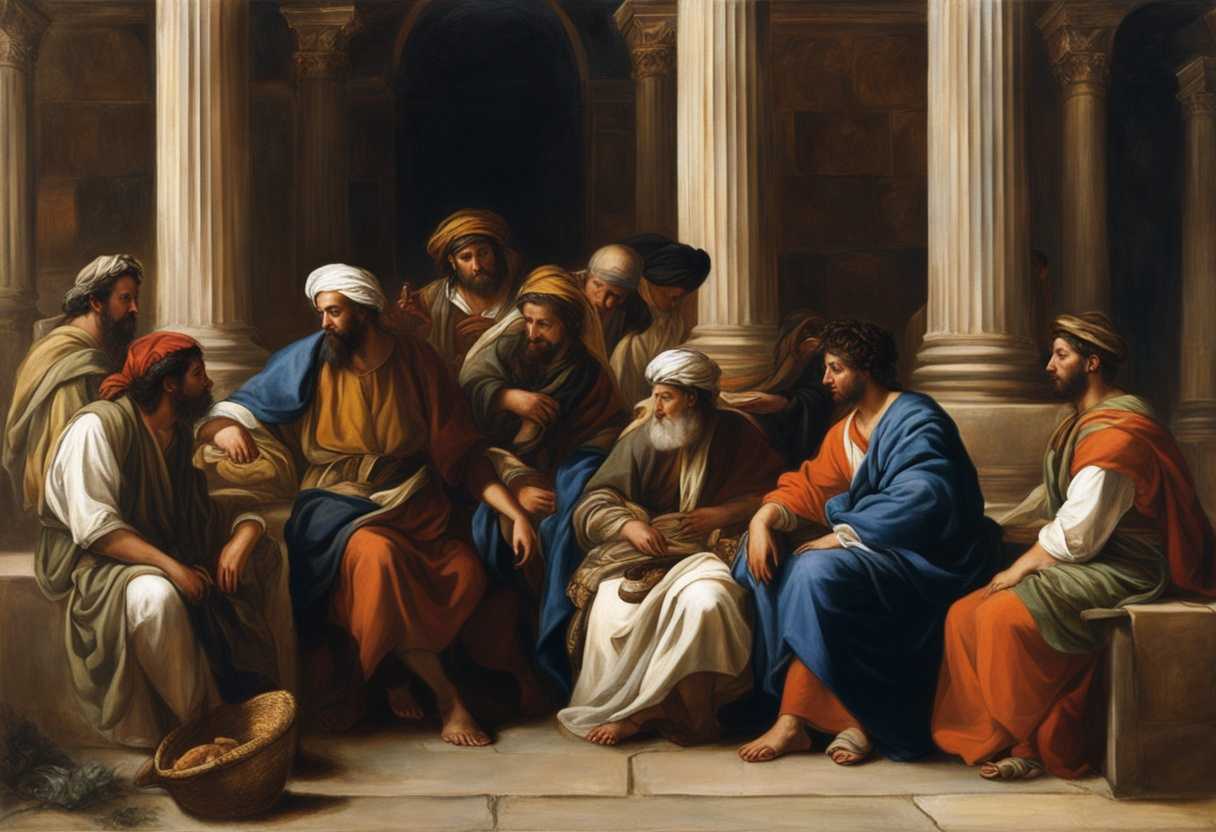
What does Nehemiah 7:6-7 really mean?
Nehemiah 7:6-7 is about the importance of genealogical records in maintaining the identity and heritage of God’s chosen people. 6 These were the people of the province who came up out of the captivity of those exiles whom Nebuchadnezzar the king of Babylon had carried captive to Babylonia. They returned to Jerusalem and Judah, each…
-

What does Nehemiah 13:28-31 really mean?
Nehemiah 13:28-31 is about Nehemiah’s reaction to the people of Judah intermarrying with foreigners, his strong condemnation of their actions, and his decisive measures to stop such practices in order to uphold the purity of the community and maintain their covenant with God. 28 And one of the sons of Jehoiada, the son of Eliashib…
-

What does Nehemiah 4:19-23 really mean?
Nehemiah 4:19-23 is about the perseverance and unity of the people of Jerusalem in completing the rebuilding of the wall despite facing opposition and threats, demonstrating the power of faith and community in overcoming challenges. 19 And I said to the nobles and to the officials and to the rest of the people, “The work…
-

What does Nehemiah 11:22-24 really mean?
Nehemiah 11:22-24 is about the appointment of overseers in Jerusalem to ensure the proper organization, care, and maintenance of the city and its inhabitants, reflecting the importance of leadership and structure in community life. 22 The overseer of the Levites in Jerusalem was Uzzi the son of Bani, son of Hashabiah, son of Mattaniah, son…
-

What does Nehemiah 12:1-7 really mean?
Nehemiah 12:1-7 is about the priests and Levites being organized and appointed to their duties in the service of God, to ensure the proper worship and praise of the Lord. 1 These are the priests and the Levites who came up with Zerubbabel the son of Shealtiel, and Jeshua: Seraiah, Jeremiah, Ezra, 2 Amariah, Malluch,…
-

What does Nehemiah 2:1-5 really mean?
Nehemiah 2:1-5 is about Nehemiah seeking God’s favor and intervention to help him find favor with King Artaxerxes in order to provide him with the resources and permission needed to rebuild the walls of Jerusalem. 1 In the month of Nisan, in the twentieth year of King Artaxerxes, when wine was before him, I took…