
Category: Concepts and Abstract Ideas
-

What the Bible Says About the Definition of Sold
In the Bible, “sold” often refers to the act of exchanging a person or property for money or goods, highlighting themes of servitude, sacrifice, or the loss of autonomy, as seen in the sale of Joseph by his brothers (Genesis 37:28) and in the context of selling oneself into slavery for debt (Exodus 21:2). It…
-

What the Bible Says About Being Amiable
In the Bible, amiable qualities refer to traits such as kindness, love, and gentleness that reflect the character of God and promote harmonious relationships. These qualities are encouraged in passages like Proverbs 15:1, which highlights the importance of a gentle answer, and Galatians 5:22-23, which lists the fruits of the Spirit, including kindness and goodness.…
-

What the Bible Says About the Meaning of Carcase
In the Bible, “carcase” refers to the dead body of an animal or a human, often used in contexts relating to the consequences of sin, as seen in passages like Deuteronomy 28:26 and Revelation 11:8. It often symbolizes decay and the state of death, serving as a stark reminder of mortality and the judgment of…
-

What the Bible Says About Decay: Understanding Its Definition and Significance
In the Bible, decay often symbolizes the inevitable deterioration of physical states, reflecting spiritual or moral decline (e.g., Isaiah 14:11). It can represent the consequences of sin and the transitory nature of life, contrasting with the hope of resurrection and renewal found in faith (e.g., 1 Corinthians 15:42-44). Scripture 17 And to Adam he said,…
-

What the Bible Says About Excellence
In the Bible, excellence can be understood as the pursuit of moral and spiritual integrity, reflecting the character of God. Philippians 4:8 encourages believers to focus on praiseworthy and virtuous things, emphasizing the importance of striving for excellence in thoughts and actions. Scripture 29 Do you see a man skillful in his work? He will…
-
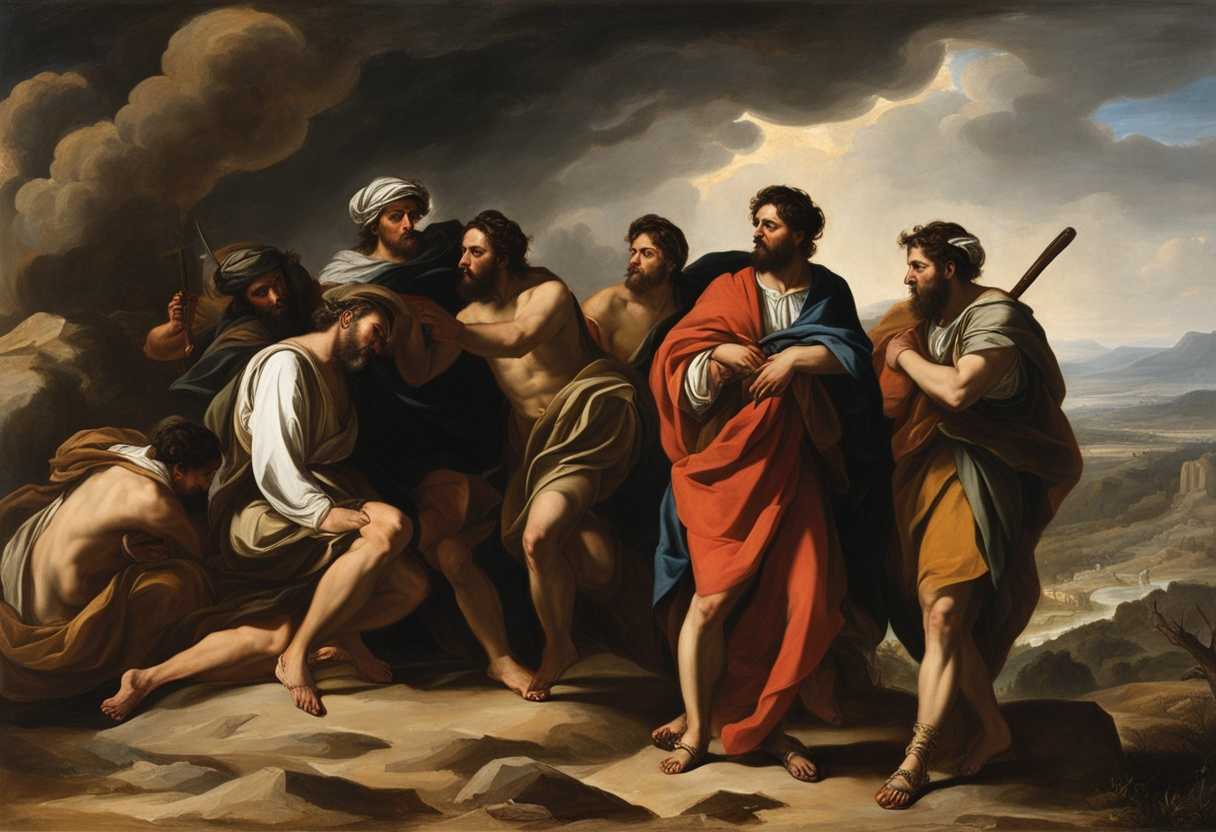
What the Bible Says About Grumbling: A Definition and Reflection
In the Bible, “grumble” refers to expressing dissatisfaction or complaint, often in a manner that reflects a lack of faith or gratitude towards God. An example can be found in Exodus 16:2-3, where the Israelites grumble against Moses and Aaron regarding their hardships in the wilderness. Scripture 2 And the whole congregation of the people…
-

What the Bible Says About the Leap of Faith
In the Bible, “leap” often signifies joy, excitement, or a powerful response to God’s actions. For example, in Luke 1:44, Elizabeth expresses that her unborn baby leapt in her womb in recognition of Mary’s presence, highlighting a divine connection and joy. Scripture 14 And David danced before the Lord with all his might. And David…
-
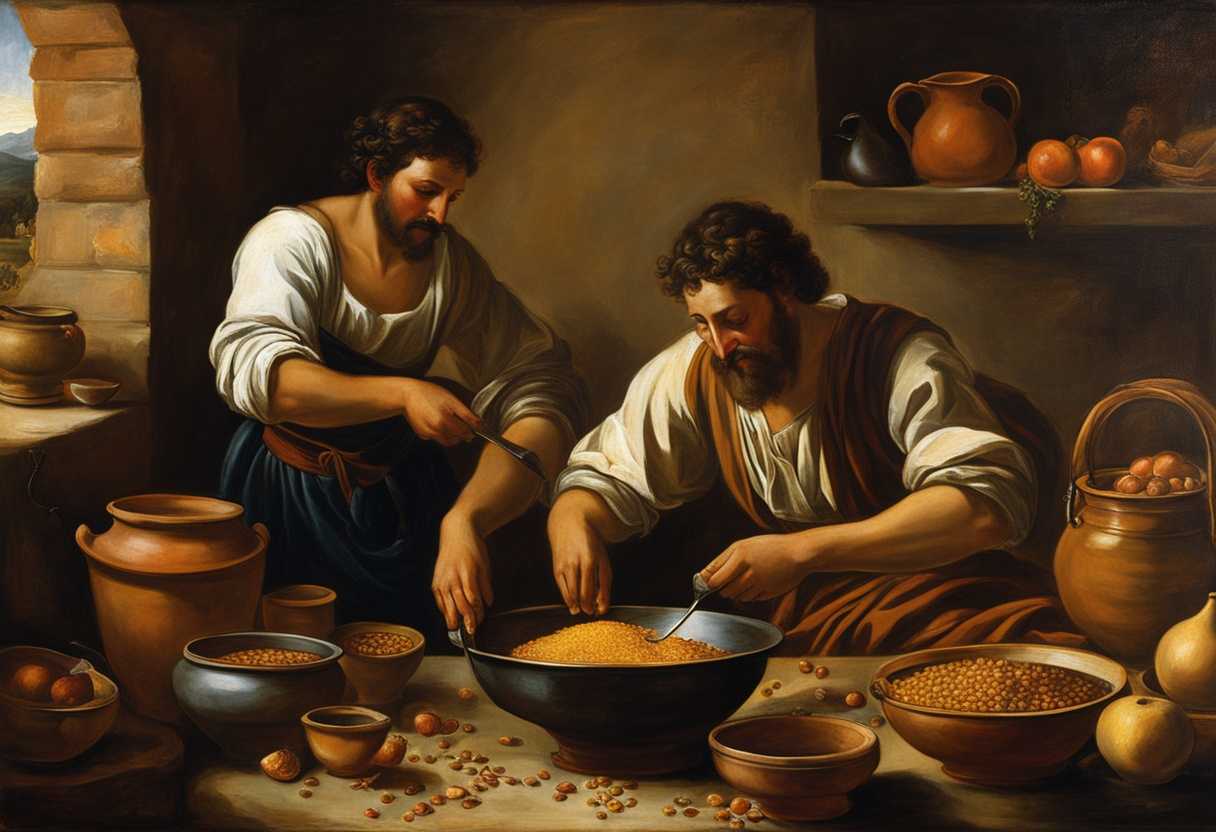
What the Bible Says About Pottage: A Definition and Its Significance
In the Bible, “pottage” refers to a thick soup or stew, typically made from grains or legumes. It is notably mentioned in Genesis 25:29-34, where Esau sells his birthright to Jacob in exchange for a bowl of lentil pottage. Scripture 29 Once when Jacob was cooking stew, Esau came in from the field, and he…
-

What the Bible Says About Seedtime and Harvest
In the Bible, “seedtime” refers to the period of planting seeds, symbolizing the beginning of growth and the promise of harvest (Genesis 8:22). It represents faith, patience, and the principle that what is sown will eventually be reaped, both in a physical and spiritual sense. Scripture 22 While the earth remains, seedtime and harvest, cold…
-

What the Bible Says About Swellings: Understanding Its Definition and Significance
In the Bible, “swellings” often refers to physical manifestations or symptoms of affliction, such as tumors or lesions, linked to God’s judgments or illnesses (e.g., in Deuteronomy 28:27). It can also symbolize pride or arrogance in a metaphorical sense, indicating an inflated sense of self (Proverbs 16:18). Scripture 1 The Lord spoke to Moses and…