
Category: Doctrines and Beliefs
-

What the Bible Says About the Meaning of Going to Jail
In the Bible, imprisonment is often seen as a consequence of wrongdoing and a means of justice, as reflected in passages like Romans 13:4, which describes governing authorities as servants of God to execute justice. Additionally, the Scriptures emphasize compassion and redemption, encouraging the faithful to care for prisoners (Matthew 25:36) and to seek justice…
-

What the Bible Says About the Root of Strife
In the Bible, the root of strife is often linked to pride, selfishness, and unwise speech, as seen in Proverbs 13:10, which states, “Where there is strife, there is pride, but wisdom is found in those who take advice.” Additionally, James 4:1 underscores that conflicts arise from the desires that battle within individuals, highlighting the…
-
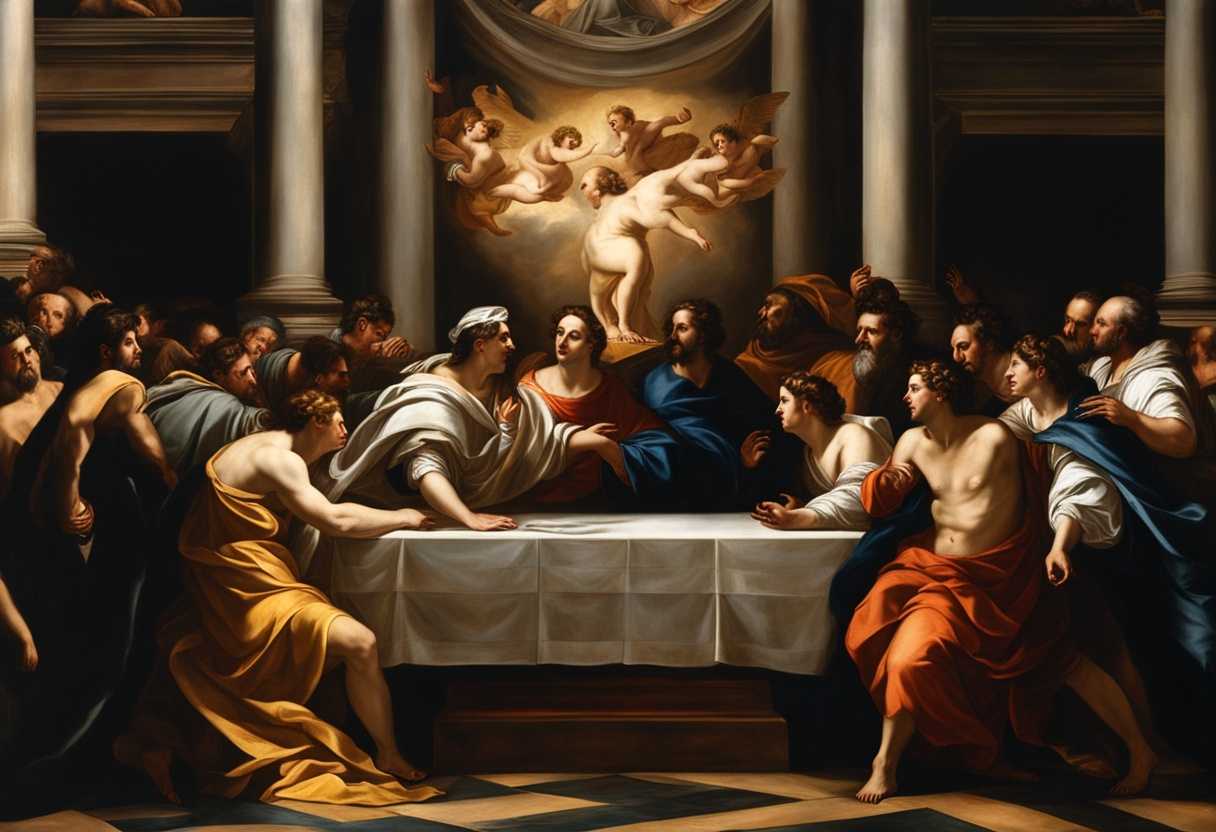
What the Bible Says About Condemnation: Understanding Its Meaning
In the Bible, condemnation refers to the judicial pronouncement of judgment against sin or wrongdoing, often implying a separation from God due to guilt. It can also reflect the ultimate fate of those who reject divine grace, as seen in Romans 8:1, which states that there is no condemnation for those who are in Christ…
-

What the Bible Says About Apostasy: Understanding Its Meaning and Implications
Apostasy in the Bible refers to the abandonment or rejection of one’s faith or religious beliefs, particularly turning away from God after having previously adhered to the faith. It is often depicted as a serious offense, leading to spiritual consequences, as illustrated in passages such as Hebrews 6:4-6 and 2 Thessalonians 2:3. Scripture 19 Your…
-

What the Bible Says About the Definition of a Pastor
In the Bible, a pastor is often described as a shepherd who cares for and guides a congregation, as seen in Ephesians 4:11, where they are part of the ministry gifted to the church. The role involves teaching, nurturing, and protecting the spiritual well-being of the members, reflecting the leadership of Christ as the Good…
-

What the Bible Says About Sorcerers: Definitions and Insights
In the Bible, a sorcerer is often described as someone who practices magic or engages in witchcraft, invoking supernatural powers contrary to God’s will. This term is used to denote individuals who rely on occult practices, steering people away from faith in God, as seen in texts like Acts 8:9-11 and Revelation 21:8. Scripture 18…
-

What the Bible Says About Authority: Understanding Its Definition and Significance
Biblical authority refers to the belief that the scriptures are divinely inspired and possess the ultimate authority in matters of faith and practice for believers. It signifies that the Bible is the standard by which all teachings and actions should be measured and evaluated. Scripture 16 All Scripture is breathed out by God and profitable…
-

What the Bible Says About the Definition of a Wife
In the Bible, a wife is often described as a helper and companion to her husband, reflecting companionship and partnership (Genesis 2:18). Additionally, Proverbs 31 illustrates a virtuous wife as one who embodies strength, wisdom, and care for her family. Scripture 10 An excellent wife who can find? She is far more precious than jewels.…
-

What the Bible Says About the Meaning of Virgin
In the Bible, virginity is often associated with purity and sexual abstinence, particularly before marriage. It symbolizes a state of being untainted and is frequently mentioned in the context of moral and spiritual faithfulness, as seen in passages like Deuteronomy 22:13-21 and 1 Corinthians 7:34. Scripture 15 Before he had finished speaking, behold, Rebekah, who…
-

What the Bible Says About the Sanhedrin: Definition and Significance
The Sanhedrin was the supreme council and tribunal of the Jews in ancient Jerusalem, comprising religious leaders and scholars who held authority over spiritual and civil matters. It is mentioned in the New Testament, particularly in connection with the trials of Jesus and the apostles (e.g., Matthew 26:59-68; Acts 4:5-7). Scripture 57 Then those who…