
Category: Objects and Symbols
-
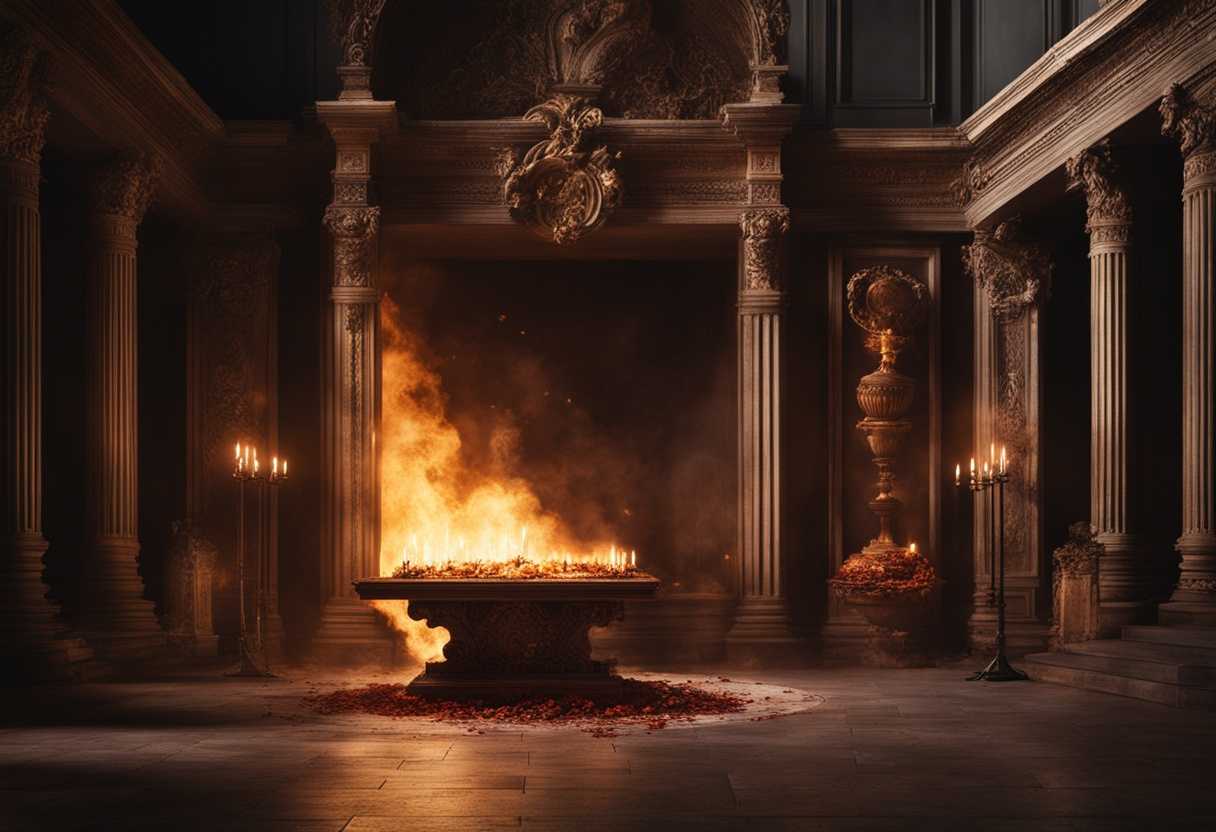
What the Bible Says About the Brazen Altar: Definition and Significance
The Brazen Altar, also known as the Altar of Burnt Offering, is described in the Bible as a significant structure in the Tabernacle where sacrifices were made to atone for sin and express devotion to God (Exodus 27:1-8). It symbolizes the necessity of sacrifice and the means through which the Israelites sought reconciliation with God.…
-

What the Bible Says About the Meaning of Ships
In the Bible, “ship” refers to a vessel used for navigation and transportation across water, symbolizing commerce, journey, and sometimes God’s provision or judgment. Notably, ships are mentioned in various contexts, such as in the stories of Jonah and the journeys of the Apostle Paul. Scripture 13 “Zebulun shall dwell at the shore of the…
-

What the Bible Says About the Meaning of Cake of Figs
In the Bible, a “cake of figs” is mentioned in 2 Kings 20:7 and Isaiah 38:21 as a medicinal remedy used to treat King Hezekiah’s illness. It symbolizes healing and restoration, reflecting God’s provision and mercy. Scripture 18 Then Abigail made haste and took two hundred loaves and two skins of wine and five sheep…
-

What the Bible Says About Genuine Leather: Understanding Its Meaning and Significance
The term “genuine leather” in the context of Bibles typically refers to a cover made from real animal hide, providing durability and a classic appearance. It signifies quality and authenticity, distinguishing itself from synthetic materials often labeled as “leather-like.” Scripture 21 And the Lord God made for Adam and for his wife garments of skins…
-

What the Bible Says About the Meaning of Pomegranate in TPT
In the Bible, the pomegranate symbolizes righteousness and abundance, often associated with the beauty of creation and the law. It is mentioned in the context of the garments of the high priest (Exodus 28:33-34) and in the descriptions of the Promised Land, reflecting fertility and divine blessing. Scripture 33 On its hem you shall make…
-
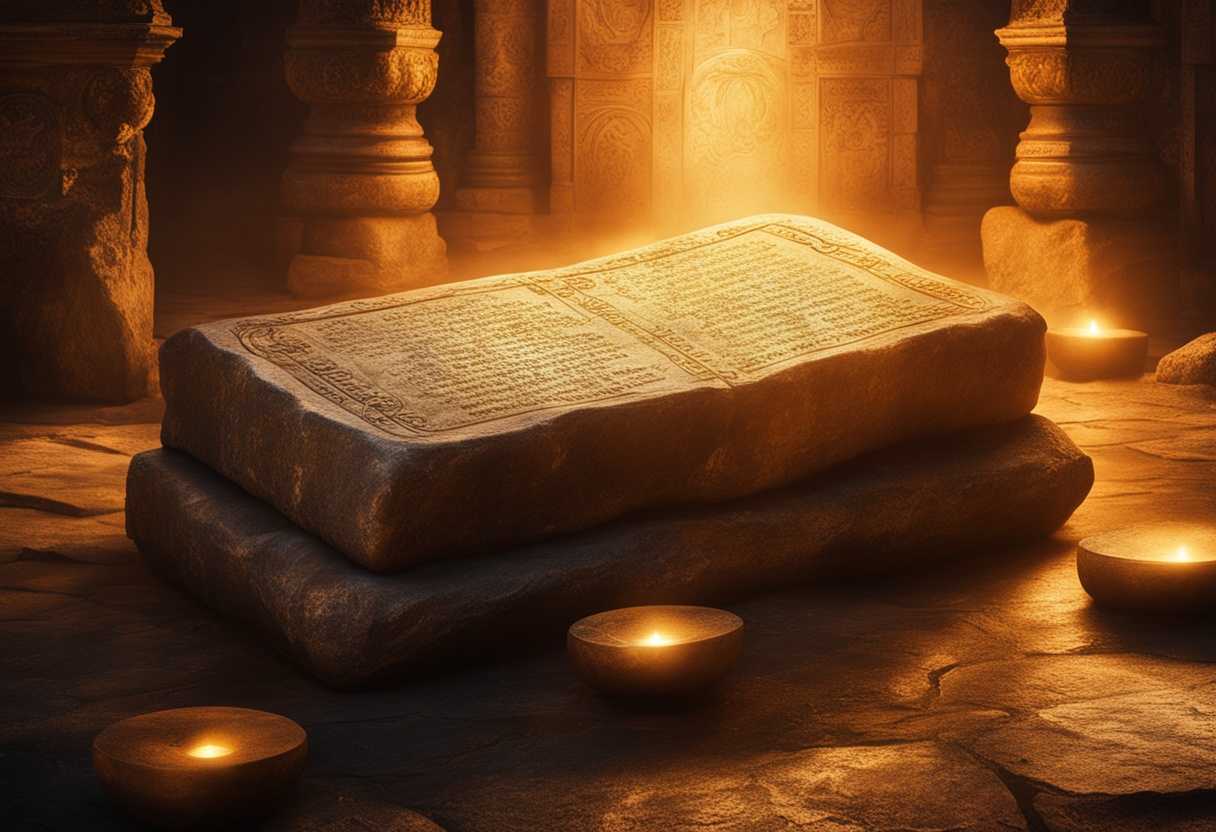
What the Bible Says About Tablets: Meaning and Significance
In the Bible, “tablets” commonly refer to the stone tablets on which God inscribed the Ten Commandments, symbolizing His covenant with the Israelites (Exodus 31:18). They represent divine law and guidance for moral and ethical behavior. Scripture 12 The Lord said to Moses, “Come up to me on the mountain and wait there, that I…
-

What the Bible Says About White Robes, Spotted Garments, and Nakedness
In the Bible, white robes symbolize purity, righteousness, and redemption, often associated with the faithful who have been cleansed by the blood of Christ (Revelation 7:14). Spotted garments, in contrast, can represent sin, corruption, and moral impurity, suggesting a need for spiritual cleansing and renewal (James 1:27). Scripture 9 After this I looked, and behold,…
-

What the Bible Says About the Meaning of Purple Cloth
In the Bible, purple cloth symbolizes wealth, royalty, and nobility, often associated with kings and the elite. For example, in the Book of Esther, purple is used to signify royal authority, and in the New Testament, the robe of Jesus during his crucifixion was purple, emphasizing his status as the King of the Jews. Scripture…
-

What the Bible Says About the Symbolism of Forests
In the Bible, forests often symbolize God’s creation, offering a place of refuge and beauty, as seen in passages like Psalm 104:16, which celebrates God’s provision through nature. They can also represent spiritual growth, mystery, and the presence of divine beings, highlighting themes of life, sustenance, and the intricate relationship between humanity and the environment.…
-

What the Bible Says About the Symbol of the Peacock in Christianity
In Christianity, the peacock symbolizes immortality and resurrection, often representing the idea of eternal life due to its ability to shed and regrow its feathers annually. This symbolism is rooted in ancient beliefs, including the notion that the flesh of the peacock does not decay, aligning it with themes of renewal and the hope of…