
Category: Objects and Symbols
-
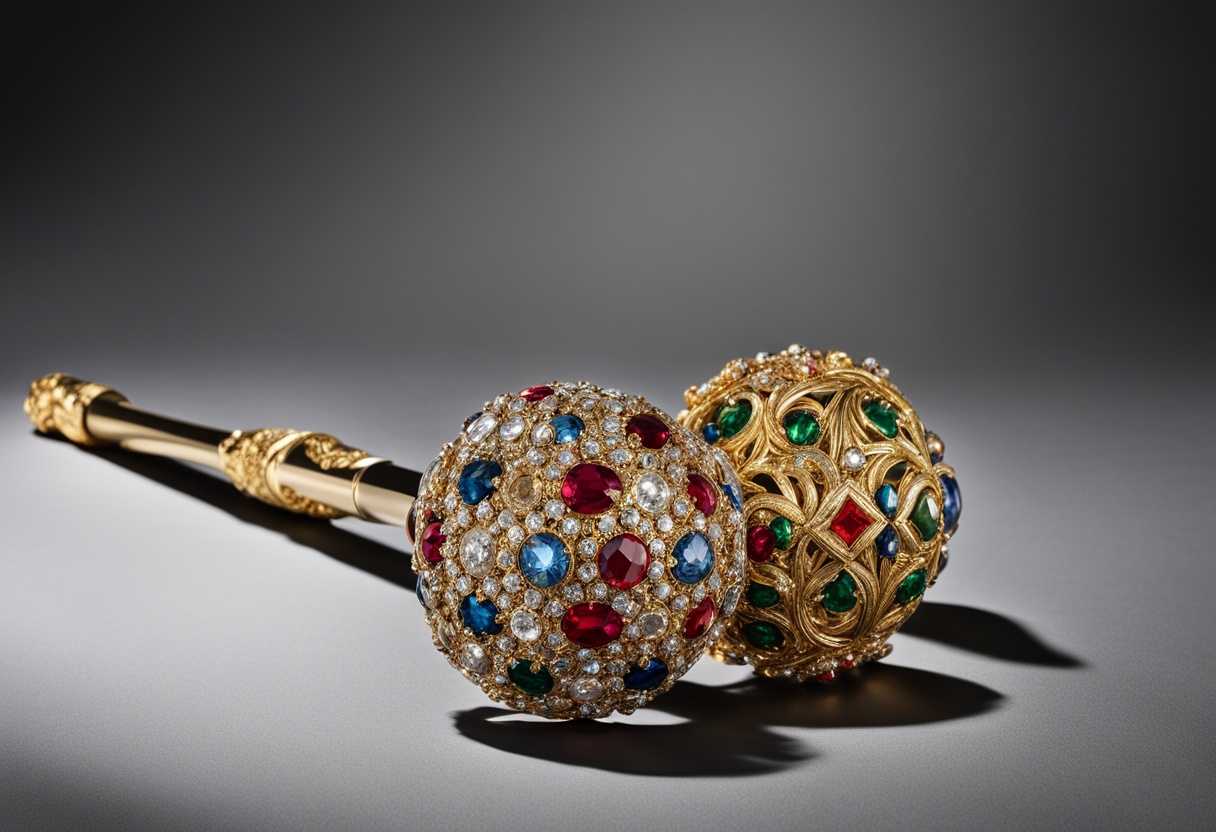
What the Bible Says About the Spiritual Meaning of the Scepter
In the Bible, the scepter represents authority, power, and kingship. It symbolizes God’s sovereignty and the rightful rule of Christ as King, highlighting the promise of His reign over His people (Hebrews 1:8, Genesis 49:10). Scripture 8 “Judah, your brothers shall praise you; your hand shall be on the neck of your enemies; your father’s…
-

What the Bible Says About Rope Symbolism
In the Bible, rope often symbolizes strength, unity, and connection, as seen in Ecclesiastes 4:12, which states that “a cord of three strands is not quickly broken.” Additionally, it can represent bondage or restraint, as in the context of being tied or bound, often reflecting a spiritual or physical captivity. Scripture 13 And they said…
-

What the Bible Says About the Sepulchre
In the Bible, a sepulchre refers to a burial place or tomb, often hewn from rock, used to inter the dead. It is notably mentioned in relation to the burial of Jesus Christ, who was laid in a new sepulchre after his crucifixion (Matthew 27:60). Scripture 1 Sarah lived 127 years; these were the years…
-

What the Bible Says About the Meaning of Storehouse
In the Bible, a “storehouse” typically refers to a place where goods, grain, or provisions are stored for future use, symbolizing God’s provision and abundance. For example, in Malachi 3:10, the act of bringing tithes into the storehouse is a call to support the temple and demonstrate trust in God’s provision. Scripture 48 And he…
-

What the Bible Says About the Farthing: Understanding Its Definition and Significance
In the Bible, a farthing is a small unit of financial value, specifically a coin worth one-quarter of a penny. It is often referenced to illustrate concepts of value and worth, as seen in passages like Matthew 10:29, where Jesus emphasizes that even the smallest currency is recognized by God. Scripture 21 “You have heard…
-

What the Bible Says About the Meaning of Garments
In the Bible, garments symbolize various aspects such as identity, status, and moral condition. They often represent spiritual truths, righteousness, and the covering of sin, as seen in passages like Isaiah 61:10 and Revelation 3:5. Scripture 7 Then the eyes of both were opened, and they knew that they were naked. And they sewed fig…
-

What the Bible Says About Cud: Understanding Its Meaning and Significance
In the Bible, “cud” refers to the food that certain animals, particularly ruminants like cows and sheep, chew again after initially swallowing it. This concept is mentioned in Leviticus 11:3-4 as part of the dietary laws distinguishing clean and unclean animals, where animals that chew the cud and have split hooves are deemed clean for…
-

What the Bible Says About Balm: Meaning and Significance
In the Bible, “balm” refers to a healing substance or oil, often symbolizing comfort and healing. It is most notably mentioned in Jeremiah 8:22, where it signifies the hope for restoration and healing for suffering and wounded people. Scripture 25 Then they sat down to eat. And looking up they saw a caravan of Ishmaelites…
-

What the Bible Says About Plowshares: Understanding Their Meaning and Significance
In the Bible, a plowshare refers to the cutting part of a plow used for turning over soil, symbolizing agricultural labor and cultivation. It is often associated with peace and transformation, as seen in Isaiah 2:4, where swords are beat into plowshares, signifying the conversion of weapons of war into tools for productive work. Scripture…
-

What the Bible Says About the Meaning of Bed
In the Bible, “bed” often symbolizes a place of rest and intimacy, as seen in passages like Song of Solomon 1:16. It can also represent physical and spiritual states of comfort or distress, illustrating the importance of rest in one’s life. Scripture 29 And when the time drew near that Israel must die, he called…