
Category: Objects and Symbols
-

What the Bible Says About Fuller’s Soap: Understanding Its Meaning
In the Bible, “fuller’s soap” refers to a type of cleansing agent used by launderers to remove stains and impurities from garments. It symbolizes spiritual purification and the cleansing of sin, as seen in passages like Malachi 3:2, where it represents God’s refining process. Scripture 1 “Behold, I send my messenger, and he will prepare…
-

What the Bible Says About the Meaning of Robes
In the Bible, robes often symbolize righteousness, purity, and status. They can represent garments of honor, such as the robes of a king or priest, and are also associated with the attire of believers, signifying their new identity in Christ (Isaiah 61:10, Revelation 7:14). Scripture 3 Now Israel loved Joseph more than any other of…
-

What the Bible Says About the Withered Hand: Understanding Its Meaning
In the Bible, a withered hand symbolizes physical suffering and disability, often used in stories to demonstrate Jesus’ healing power and authority over ailments. It is prominently featured in accounts such as Mark 3:1-5, where Jesus heals a man with a withered hand, highlighting themes of restoration and compassion. Scripture 9 He went on from…
-

What the Bible Says About Software for Understanding Words
Bible software with word definitions typically includes tools for studying the original languages (Hebrew, Aramaic, Greek) and provides definitions, usage, and contexts of biblical terms. This helps users gain deeper insights into scripture and enhances understanding of biblical concepts. Scripture 105 Your word is a lamp to my feet and a light to my path.…
-
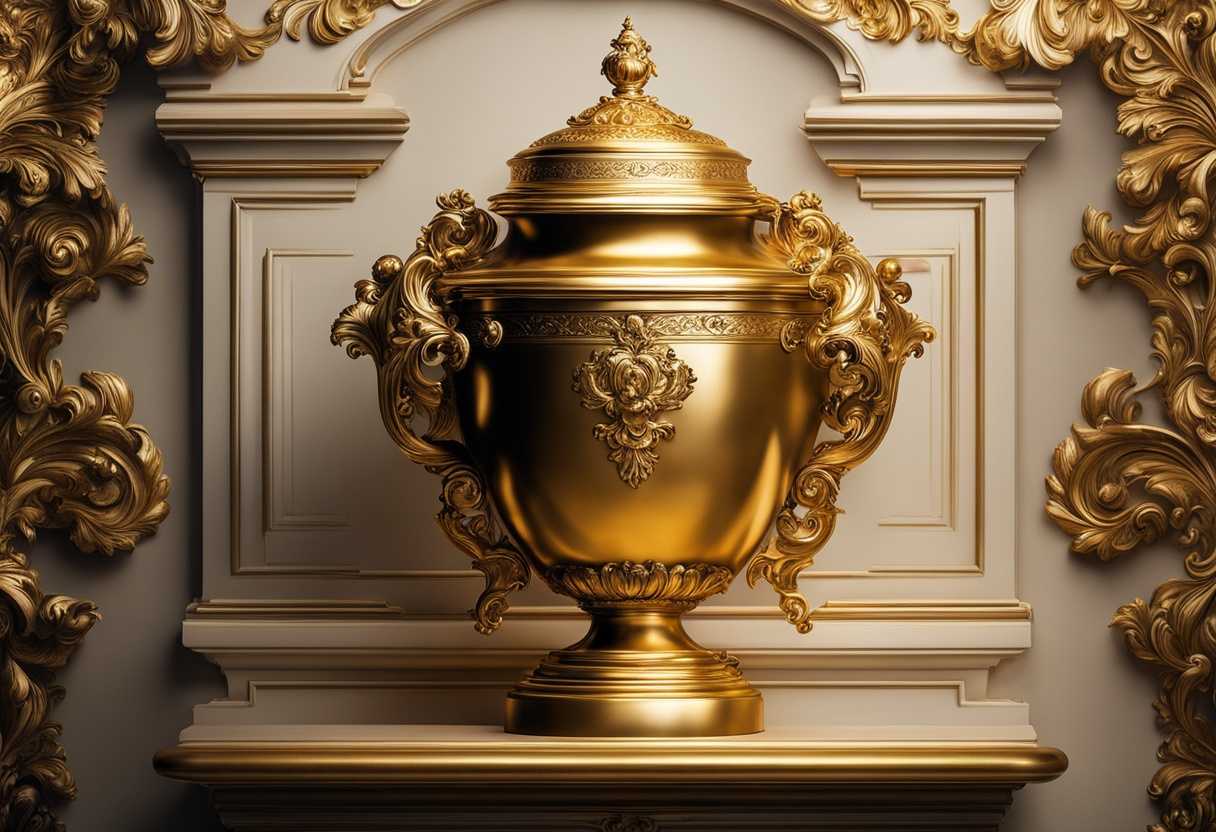
What the Bible Says About Urns: A Definition and Significance
In the Bible, an urn is often used symbolically to represent containment or preservation, as in the “golden urn” that held manna in Exodus 16:33-34. It may also signify bearing the weight of responsibility or judgment, reflecting the seriousness of the contents it holds. Scripture 19 By the sweat of your face you shall eat…
-

What the Bible Says About Cilicium: Understanding Its Significance
In the Bible, “cilicium” refers to a type of coarse fabric made from the hair of goats, commonly used for tents and garments. Notably mentioned in the context of the Apostle Paul’s profession as a tentmaker (Acts 18:3), cilicium highlights both the material culture of the period and the practical skills of early Christians. Scripture…
-

What the Bible Says About Showbread: Definition and Significance
Showbread, also known as the “bread of the presence,” refers to the twelve loaves of unleavened bread that were set upon a table in the Tabernacle (and later the Temple) as an offering to God, symbolizing His continual presence with the people of Israel (Exodus 25:30; Leviticus 24:5-9). It was replaced every Sabbath and was…
-
What the Bible Says About the Meaning of Plates
In the Bible, the term “plate” often refers to a flat, shallow dish or vessel used for various purposes, such as serving food or holding offerings. For example, in the context of temple service, plates were used to collect contributions or offerings from the people (Exodus 25:29). Scripture 36 “You shall make a plate of…
-

What the Bible Says About the Meaning of Brass
In the Bible, brass often symbolizes strength, judgment, and durability. It is frequently used in descriptions of objects such as utensils, instruments in the temple, and weapons, reflecting its value and importance in ancient times. Scripture 1 “You shall make the altar of acacia wood, five cubits long and five cubits broad. The altar shall…
-
What the Bible Says About Frankincense: A KJV Perspective
In the Bible, frankincense is a fragrant resin used in ancient rituals and offerings, symbolizing purity and divinity. It is mentioned in contexts such as the gifts brought to Jesus by the Magi in Matthew 2:11 and as part of the holy incense in Exodus 30:34. Scripture 34 The Lord said to Moses, “Take sweet…