
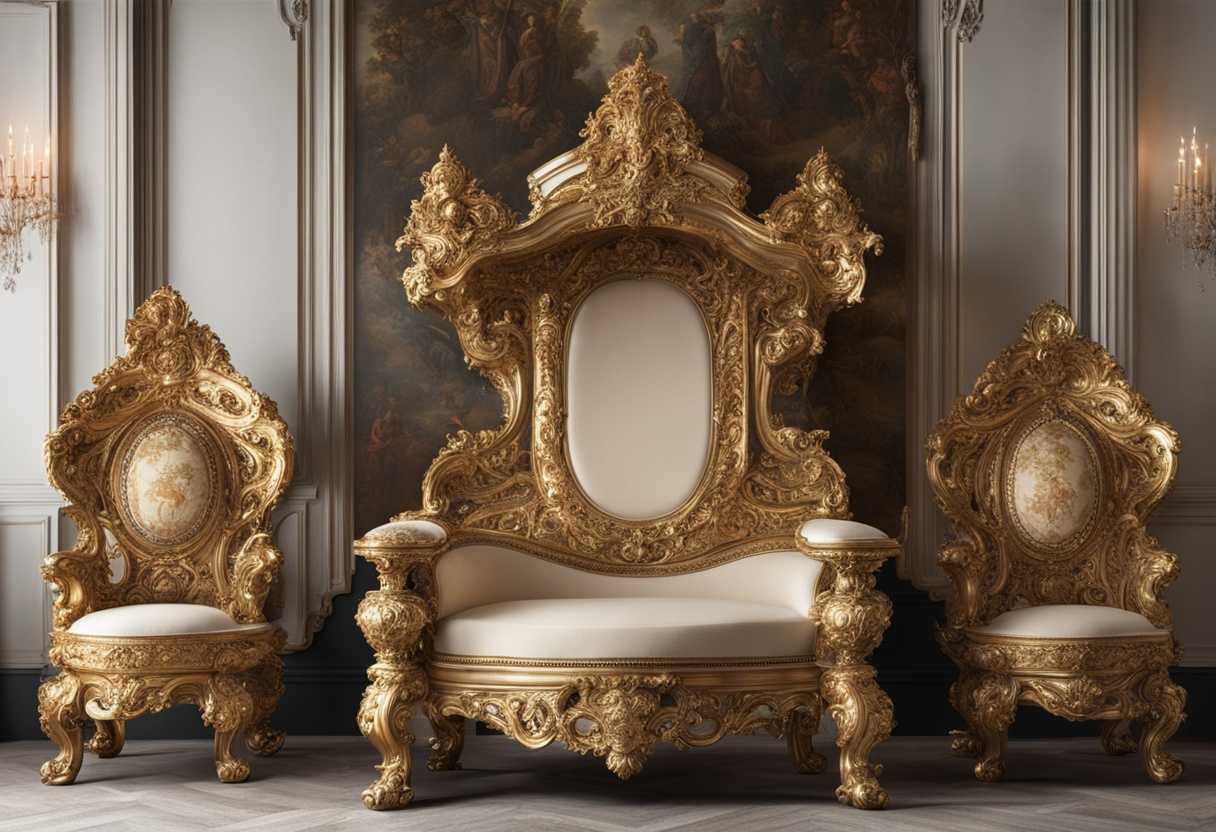
In the Bible, ivory symbolizes luxury, wealth, and beauty, often associated with the opulence of nations and kings (e.g., 1 Kings 10:18-22). It is frequently mentioned in conjunction with items of grandeur, illustrating the splendor of ancient kingdoms.
Scripture
18 Moreover, the king made a great throne of ivory and overlaid it with the finest gold.
19 The throne had six steps, and the throne had a round top, and on each side of the seat were armrests and two lions standing beside the armrests,
20 Twelve lions stood there on the one side and on the other on the six steps. Nothing like it was made for any kingdom.
Meaning of Ivory in the Bible
Ivory’s presence in the Bible often reflects a broader theme of material wealth and the transient beauty of earthly possessions. In 1 Kings 10:18-22, King Solomon’s throne, adorned with ivory and gold, epitomizes the splendor of his reign and the prosperity of Israel during his rule. This lavish display not only signifies Solomon’s status but also serves as a testament to the heights of wealth that Israel achieved. However, these verses subtly underscore the precarious nature of such wealth; they remind readers that, while ivory embodies grandeur, it is also associated with the exploitation of resources and the excesses of power.
Moreover, the use of ivory often symbolizes not just physical wealth but also moral decay and idolatry. In Amos 3:15, “I will strike the winter house along with the summer house; the houses adorned with ivory will be destroyed,” the reference to ivory houses critiques the indulgent lifestyles of the wealthy elite in contrast to the impoverished. This reflects a biblical theme where material excess can lead to spiritual neglect and social injustice. Thus, while ivory in the Scriptures symbolizes affluence and beauty, it also serves as a cautionary emblem, reminding believers of the fleeting nature of earthly treasures and the importance of prioritizing spiritual riches over worldly acclaim.
In addition to its symbolism of material wealth, ivory also appears in biblical literature to signify refinement and delicacy, enhancing the allure of whatever it adorns. For example, ivory is mentioned in the context of luxurious textiles and art forms, suggesting a culture that values craftsmanship and beauty. This attention to aesthetic detail is evident in works of worship and sacred spaces, where items crafted from ivory may represent the desire to honor God through the creation of exquisite offerings. The emphasis on such delicate materials indicates not only the societal importance placed on opulence but also a deep appreciation for artistry and skill.
Furthermore, ivory can illustrate the contrasting elements of human ambition and divine judgment. In various prophetic texts, the allure of ivory becomes entwined with themes of impending destruction. The grandeur associated with ivory, while initially captivating, is often juxtaposed with the forewarnings of societal collapse or divine retribution. This duality serves as a poignant reminder that reliance on material wealth, symbolized by ivory, can lead to spiritual complacency and ultimately to a downfall. Thus, ivory in the Bible acts as both a symbol of human achievement and as a reminder of the inherent risks of placing too much value on transient beauty rather than seeking deeper, enduring truths of faith and spirituality.
Symbol of Wealth and Luxury
In biblical times, ivory was a highly prized material, often associated with wealth and opulence. Its use in furniture, decorations, and even in the construction of palaces signified a person’s status and prosperity. The presence of ivory in a household or a king’s court indicated not only affluence but also a connection to trade routes that brought exotic goods from distant lands. This association with luxury serves as a reminder of the material excesses that can accompany power and influence.
Representation of Beauty and Craftsmanship
Ivory is also seen as a symbol of beauty and fine craftsmanship in the Bible. Its smooth texture and natural luster made it a favored medium for artisans who created intricate carvings and decorative items. This emphasis on beauty reflects the biblical theme of God’s creation, where beauty is often linked to divine craftsmanship. The use of ivory in sacred objects or royal artifacts highlights the importance of beauty in worship and the reverence for God’s creation.
Warning Against Idolatry and Excess
While ivory represents wealth and beauty, it also serves as a cautionary symbol against idolatry and the dangers of excess. The luxurious nature of ivory can lead to a focus on materialism and a departure from spiritual values. In various biblical contexts, the pursuit of wealth and the adornment with luxurious items are often critiqued, reminding believers to prioritize their relationship with God over the accumulation of material possessions. This duality of ivory as both a symbol of beauty and a potential pitfall underscores the biblical call to balance and moderation in life.
How to Cultivate Faith Through Stewardship and Generosity
Cultivating faith through stewardship and generosity is a beautiful journey that invites us to reflect on how we use our time, talents, and treasures. As we embrace the call to be good stewards of what God has entrusted to us, we begin to see our resources not just as possessions, but as opportunities to bless others and further His kingdom. Start small—perhaps by volunteering your time at a local charity or sharing your skills with someone in need. As you give, whether it’s your time, money, or talents, you’ll find that your faith deepens; it’s in the act of giving that we often experience God’s presence most profoundly. Remember, generosity isn’t just about the amount you give, but the heart behind it. When we give with joy and purpose, we not only help others but also open ourselves up to the transformative power of God’s love, which can strengthen our faith and inspire those around us. So, take that step today—be a steward of God’s blessings, and watch how your faith flourishes in the process.
Bible References to the Meaning of Ivory:
1 Kings 22:39: 39 Now the rest of the acts of Ahab and all that he did, and the ivory house that he built and all the cities that he built, are they not written in the Book of the Chronicles of the Kings of Israel?
2 Chronicles 9:17-19: 17 And they brought 600, 3 hundred and sixty talents of gold to Solomon.
18 There were six steps to the throne and a round top to the throne at its rear, and arms on each side of the seat, and two lions standing beside the arms.
19 Twelve lions stood there, one on each end of a step on the six steps. Nothing like it had ever been made for any kingdom.
Psalm 45:8: 8 Your robes are all fragrant with myrrh and aloes and cassia. From ivory palaces stringed instruments make you glad.
Song of Solomon 5:14-15: 14 His arms are rods of gold, set with jewels; his body is like polished ivory, bedecked with sapphires.
15 His stature is like that of the cedars,
the choice of the trees of Lebanon.
Song of Solomon 7:4: 4 Your stature is like a palm tree, and your breasts are like its clusters.
Ezekiel 27:15-16: 15 The men of Dedan traded with you. Many coastlands were your own special markets; they brought you in payment ivory tusks and ebony.
16 Syria did business with you because of the abundance of your goods; they exchanged for your wares emeralds, purple, embroidered work, fine linen, coral, and ruby.
Amos 3:14-15: 14 “that on the day I punish Israel for his transgressions,
I will punish the altars of Bethel,
and the horns of the altar shall be cut off
and fall to the ground.
15 “I will strike the winter house along with the summer house, and the houses of ivory shall perish, and the great houses shall come to an end,” declares the Lord.

Reverend Michael Johnson is an experienced Church Minister with a profound expertise in spirituality and guidance. With a serene presence and a compassionate heart, he has faithfully served his congregation for over 20 years, leading them on a spiritual journey towards inner peace and enlightenment. Reverend Johnson’s extensive knowledge of religious philosophies and profound understanding of human nature have made him a trusted confidant and mentor to many, as he seamlessly weaves his profound wisdom into life teachings. Reverend Johnson’s calming demeanor and empathetic nature continue to uplift and heal souls, nurturing a sense of unity and tranquility within his community.