
Category: Definitions
-

What the Bible Says About Three Measures of Flour
In the Bible, three measures of flour are often associated with abundance and hospitality, as seen in Genesis 18:6, where Abraham prepares a meal for his visitors. This quantity signifies a generous offering, symbolizing the blessings and sustenance provided by God. Scripture 1 And the Lord appeared to him by the oaks of Mamre, as…
-

What the Bible Says About Lystra: Meaning and Significance
Lystra is mentioned in the New Testament as a city in Asia Minor where the Apostle Paul preached and performed miracles, resulting in the conversion of several individuals, including Timothy. The name Lystra is often associated with the themes of faith and the spread of the early Christian church. Scripture 6 they learned of it…
-

What the Bible Says About the Meaning of Beckons
In the Bible, “beckons” often signifies an invitation or call, symbolizing God’s desire for individuals to come to Him or follow His ways, as seen in passages where Jesus invites people to follow Him. It reflects a gentle urging towards spiritual insight or a deeper relationship with the divine. Scripture 21 After saying these things,…
-

What the Bible Says About Pethor: Meaning and Significance
Pethor is mentioned in the Bible as a city in Mesopotamia, specifically noted in Numbers 22:5 as the home of Balaam, a diviner who was summoned by Balak to curse the Israelites. The name Pethor is often associated with idolatry and practices contrary to the worship of the God of Israel. Scripture 1 Then the…
-
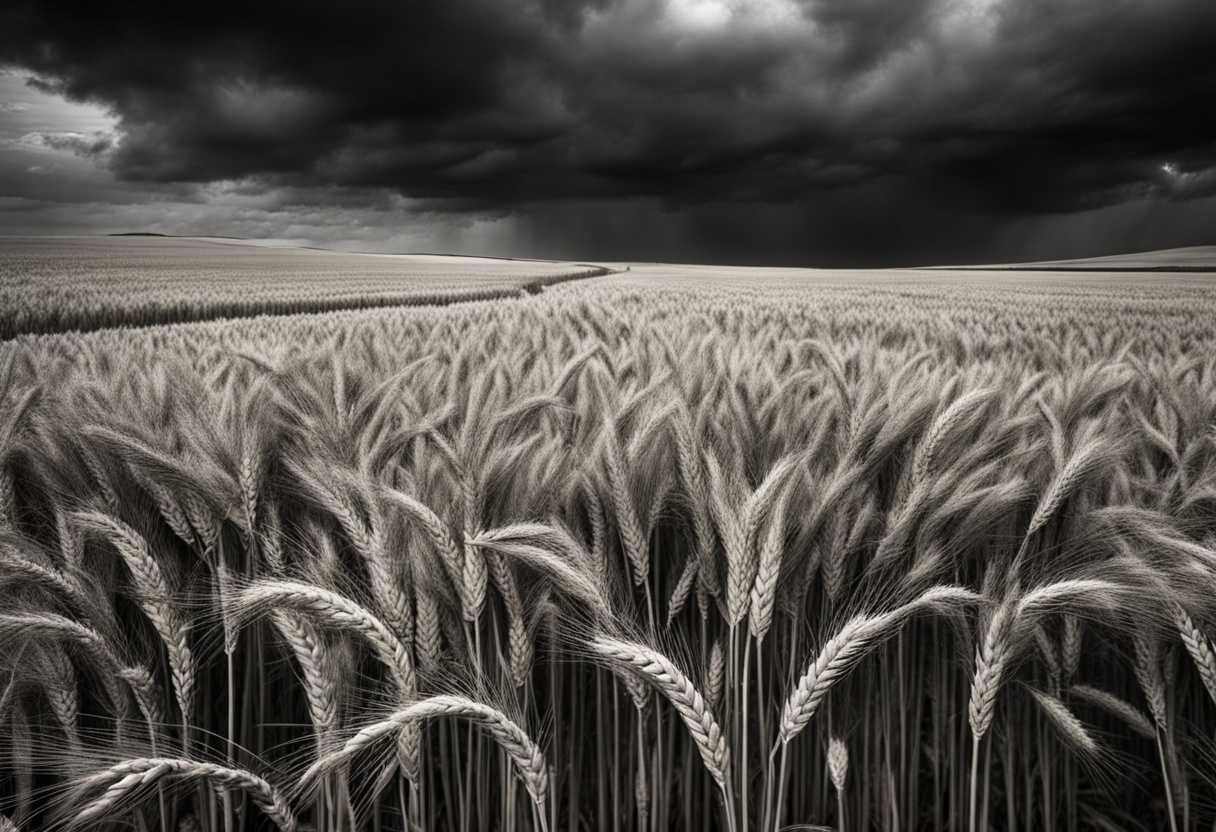
What the Bible Says About the Meaning of Darnell
Darnel, also known as “tares,” refers to a type of weed that resembles wheat but is harmful to crops. In the Bible, particularly in the parable of the wheat and the tares (Matthew 13:24-30), it symbolizes the presence of evil or false believers among the righteous until the final judgment. Scripture 24 He put another…
-
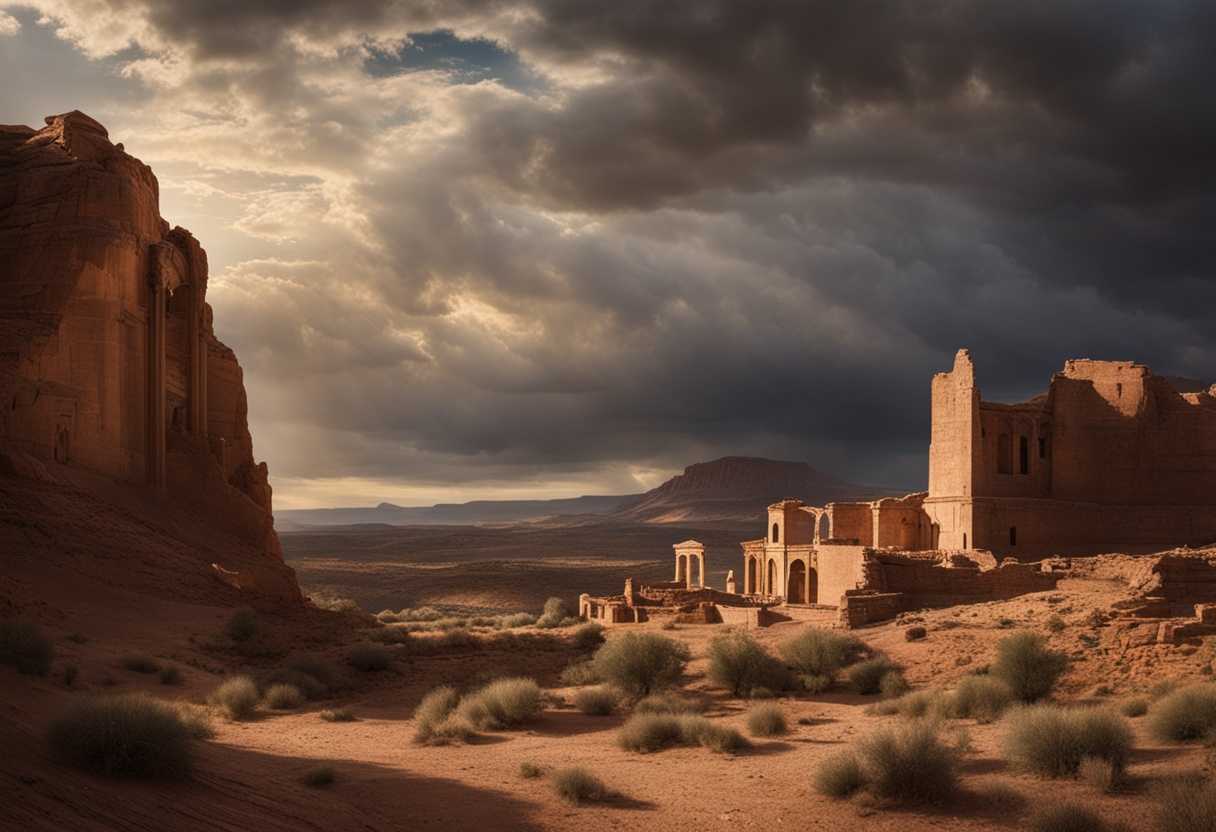
What the Bible Says About the Land of Moab
In the Bible, the Land of Moab refers to a region situated east of the Dead Sea, known for its rugged terrain and as the ancestral home of the Moabites, a people descended from Lot. It is significant in biblical narratives, particularly in the story of Ruth and the Israelites’ interaction with the Moabites, symbolizing…
-

What the Bible Says About Flags: The Definition in Moses’ Time
In the Bible, flags (or banners) symbolize God’s presence and guidance, especially in the context of military and communal identity. In Exodus 17:15, Moses raises an altar called “The Lord is My Banner” (Jehovah Nissi), signifying victory under God’s leadership during the battle against the Amalekites. Scripture 8 Then Amalek came and fought with Israel…
-

What the Bible Says About the Meaning of Landmarks
Biblical landmarks often serve as physical manifestations of divine encounters, pivotal events, or promises in the biblical narrative, reinforcing the identity and faith of the people involved. They act as tangible reminders of God’s presence, guidance, and covenant with humanity, and are frequently used in scripture to invoke memories of faith and obedience. Scripture 10…
-

What the Bible Says About the Palus of Figs in Hezekiah’s Time
In the Bible, Hezekiah’s figs refer to the medicinal use of figs as described in 2 Kings 20:7, where the prophet Isaiah instructs that a poultice of figs be applied to Hezekiah’s boil for healing. This signifies both a miraculous healing by God and the practical use of natural remedies in ancient times. Scripture 1…
-

What the Bible Says About the Significance of Lebanon
In the Biblical context, Lebanon is significant for its majestic cedar trees, which were highly valued for building materials, notably used in the construction of Solomon’s Temple (1 Kings 6:15). Additionally, Lebanon symbolizes strength and beauty, often referenced in poetry and metaphor throughout the scriptures (Song of Solomon 4:15). Scripture 25 Please let me go…