
Category: Definitions
-
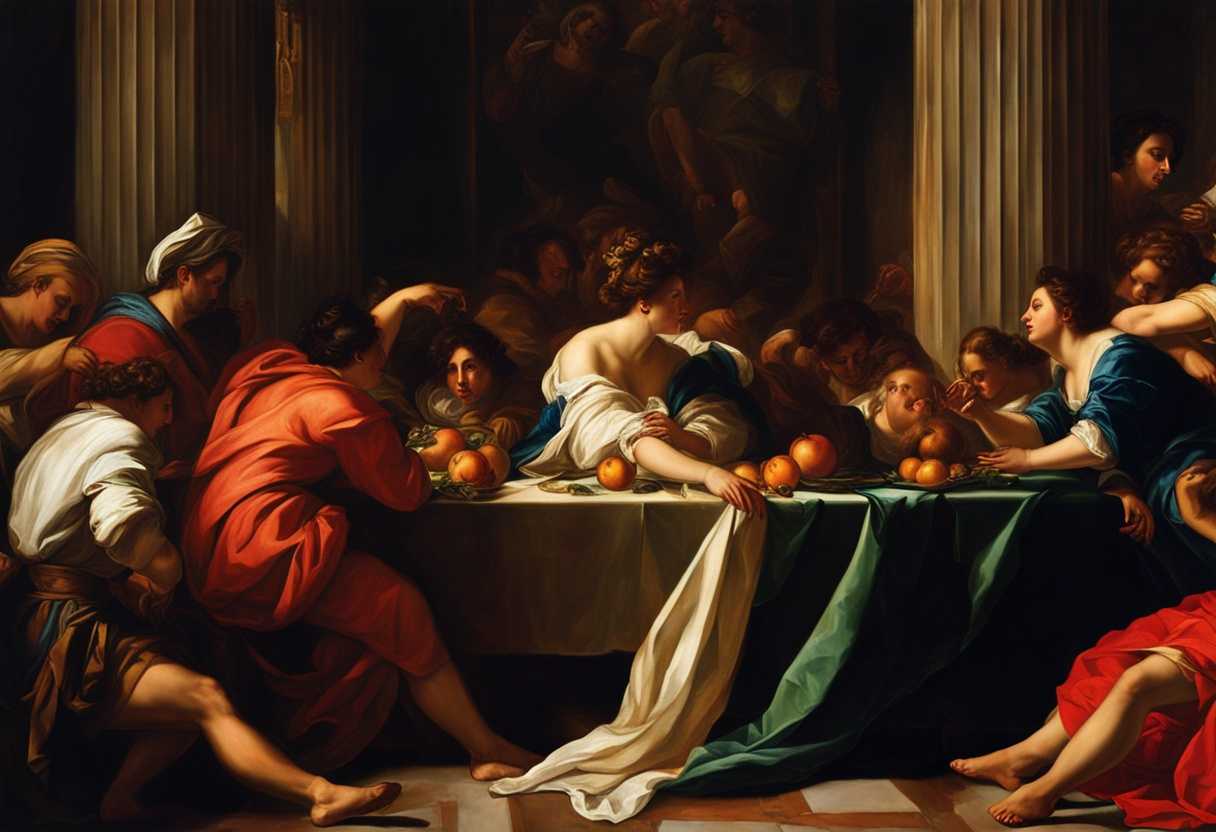
What the Bible Says About Licentiousness: A Definition and Understanding
Licentiousness in the Bible refers to a disregard for moral restraint and an indulgence in sensual pleasures, often characterized by immorality and a lack of self-control. It is condemned in various passages, such as Galatians 5:19-21, which lists it among the works of the flesh that are opposed to the Spirit’s guidance. Scripture 12 The…
-

What the Bible Says About Lowliness: A Definition and Reflection
In the Bible, lowliness refers to a humble state of being that recognizes one’s dependence on God and the importance of serving others. It embodies a spirit of meekness and modesty, often contrasted with pride and arrogance (Philippians 2:3-4). Scripture 3 Do nothing from selfish ambition or conceit, but in humility count others more significant…
-

What the Bible Says About Peripheral Prophets in the Hebrew Bible
Peripheral prophets refer to individuals in the Hebrew Bible who prophesied outside the major prophetic traditions and texts, often addressing smaller communities or specific local issues. They may include figures not formally recognized as major prophets, yet their messages often reflect God’s will and guidance to the people they serve. Scripture 22 For three years…
-

What the Bible Says About Pruning: Understanding Its Spiritual Meaning
In the Bible, pruning refers to the process of removing unnecessary or unfruitful parts of a plant to promote better growth and fruit-bearing, symbolizing God’s discipline and refinement of believers to help them grow spiritually (John 15:1-2). It illustrates the transformative work of God in a person’s life, enabling them to produce more spiritual fruit.…
-

What the Bible Says About the Definition of a Sermon
In the Bible, a sermon refers to a formal discourse or teaching delivered by a preacher, often derived from Scripture, intended to instruct, inspire, and edify the audience in their faith. Notable examples include Jesus’ Sermon on the Mount (Matthew 5-7), which encompasses moral teachings and spiritual principles. Scripture 1 Seeing the crowds, he went…
-

What the Bible Says About the Meaning of Worm
In the Bible, worms often symbolize decay, judgment, and the consequences of sin. For example, in Isaiah 14:11, they are associated with death and humiliation, while in Acts 12:23, Herod is struck down and eaten by worms as a divine judgment for his pride. Scripture 4 How then can man be in the right before…
-

What the Bible Says About the Latin Vulgate: A Definition and Overview
The Latin Vulgate Bible is a late 4th-century Latin translation of the Scriptures, primarily attributed to St. Jerome, and it became the standard version of the Bible used in the Roman Catholic Church for many centuries. It aims to provide a more accessible version of the Bible to Latin-speaking Christians while preserving the original texts’…
-

What the Bible Says About Hesed: Understanding Its Meaning and Significance
In the Bible, “hesed” is a Hebrew term often translated as “loving-kindness,” “mercy,” or “steadfast love.” It describes a deep, covenantal loyalty and compassion that reflects God’s faithfulness to His people and their obligation to show kindness and loyalty to one another. Scripture 6 The Lord passed before him and proclaimed, “The Lord, the Lord,…
-

What the Bible Says About Virtue: A Catholic Perspective
In Catholicism, virtue is defined as a habitual and firm disposition to do good, aligning one’s actions with moral principles and the teachings of Christ. It enables individuals to act according to reason and faith, fostering moral excellence and a closer relationship with God. Scripture 8 Finally, brothers, whatever is true, whatever is honorable, whatever…
-

What the Bible Says About the Threshold: Meaning and Significance
In the Bible, a threshold symbolizes a boundary or point of transition, often representing a significant moment of change or commitment, such as entering into a covenant (Exodus 12:7) or a path of faith (Isaiah 26:2). It can also imply protection, as seen in the Passover narrative where the blood on the doorposts signifies safety…