
Category: Definitions
-

What the Bible Says About Female Roles and Identity
In the Bible, women are often defined as vital partners in God’s creation, with roles that encompass motherhood, leadership, and community influence. They are depicted as both strong figures of faith, such as Deborah and Ruth, and as integral members of family and society, reflecting God’s diverse plan for humanity. Scripture 26 Then God said,…
-

What the Bible Says About Impotence: A Definition and Understanding
In the Bible, impotence generally refers to a lack of physical strength or ability, often associated with inability to perform, such as in the context of fertility (e.g., Abraham and Sarah in Genesis 18:11). It can also symbolize spiritual weakness or inability to fulfill God’s commands or purposes. Scripture 10 The Lord said, “I will…
-

What the Bible Says: Exploring the Two Meanings of Its Words
Dual interpretations of biblical verses refer to the existence of both literal and symbolic meanings within scripture. This approach allows for a deeper understanding of texts, accommodating both historical context and spiritual lessons. Scripture 26 Then God said, “Let us make man in our image, after our likeness. And let them have dominion over the…
-
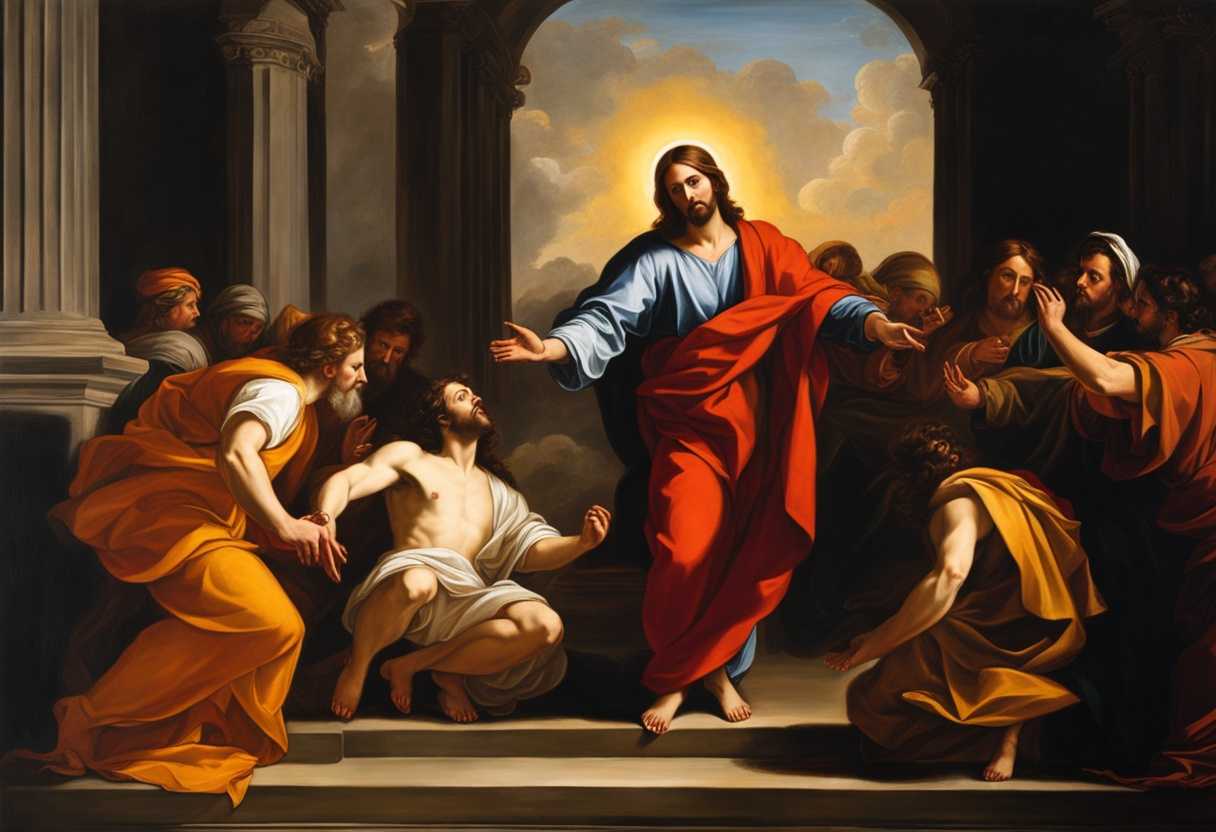
What the Bible Says About the Dumb Spirit: Understanding Its Meaning
In the Bible, a “dumb spirit” refers to a demon or evil spirit that causes an individual to be unable to speak. This term is mentioned in passages such as Mark 9:25-27, where Jesus expels the spirit, restoring the person’s ability to speak. Scripture And someone from the crowd answered him, “Teacher, I brought my…
-

What the Bible Says About Gleaners: A Definition and Exploration
In the Bible, a gleaner refers to someone who gathers leftover crops from the fields after the harvest, as outlined in Leviticus 19:9-10. This practice was meant to provide for the poor and the foreigner, emphasizing the values of community support and generosity. Scripture 9 “When you reap the harvest of your land, you shall…
-

What the Bible Says About Shooting Stars: A Celestial Perspective
The Bible does not specifically mention “shooting stars,” but the appearance of heavenly phenomena is often associated with God’s majesty and power. In biblical texts, such signs can symbolize divine messages or moments of revelation, as seen in passages like Job 38:7 and Psalm 19:1, where the heavens declare the glory of God. Scripture 14…
-

What the Bible Says About Homoousios: Understanding Its Definition and Significance
The term “homoousios,” meaning “of the same substance,” is used in Christian theology to describe the relationship between Jesus Christ and God the Father, affirming that they share the same divine essence. This concept is crucial in the context of the Nicene Creed, which was established to counter Arianism and affirm the full divinity of…
-

What the Bible Says About Satisfaction: Understanding Its Meaning
In the Bible, satisfaction often refers to a state of contentment and fulfillment that comes from trusting in God’s provision and blessings. It is expressed in verses like Psalm 107:9, which states that God satisfies the thirsty and fills the hungry with good things, highlighting spiritual and physical fulfillment. Scripture 8 Let them thank the…
-

What the Bible Says About the Writings in the Jewish Scriptures
Ketuvim, meaning “Writings” in Hebrew, is the third section of the Tanakh, or Hebrew Bible, comprising diverse texts such as Psalms, Proverbs, and the Book of Job. It encompasses poetry, philosophy, and narrative, reflecting various aspects of Jewish life and thought. Scripture 1 Blessed is the man who walks not in the counsel of the…
-

What the Bible Says About the Biblical Meaning of Storm
In the Bible, storms often symbolize turmoil, judgment, or divine intervention, reflecting God’s power and authority over nature. They serve as a backdrop for lessons of faith, trust, and God’s presence in times of distress, as seen in events like Jesus calming the storm (Mark 4:39). Scripture 23 And when he got into the boat,…