
Category: Definitions
-

What the Bible Says About Disputable Matters
Disputable matters in the Bible refer to issues regarding which Christians may hold differing opinions or practices, such as dietary laws or observance of specific days. Romans 14 emphasizes the importance of accepting one another and not judging based on these non-essential issues, highlighting love and unity within the faith community. Scripture As for the…
-

What the Bible Says About Green Pastures: Understanding Its Meaning
In the Bible, “green pastures” symbolizes tranquility, nourishment, and divine provision, often associated with God’s care and guidance for His people, as seen in Psalm 23:2, where the Lord leads His followers to rest and sustenance. It conveys a sense of peace and spiritual fulfillment found in a relationship with God. Scripture 1 The Lord…
-

What the Bible Says About Etymology and Definition
The term “Bible” comes from the Greek word “biblion,” meaning “book,” which itself is derived from “byblos,” referring to the papyrus plant used for writing. In a religious context, the Bible is defined as the sacred scripture of Christians, consisting of the Old and New Testaments, central to their faith and teachings. Scripture 14 But…
-

What the Bible Says About the Meaning of Mediums
In the Bible, a medium is often defined as a person, particularly a necromancer or a spiritist, who communicates with the dead or invokes spirits. The practice is explicitly condemned in Scripture, such as in Deuteronomy 18:10-12, where it is portrayed as abominable to God. Scripture 31 “Do not turn to mediums or necromancers; do…
-

What the Bible Says About Hamartia: Understanding Sin and Its Meaning
“Hamartia” is a Greek term commonly translated as “sin” in the New Testament, referring to a failure to meet God’s standards or a moral failing. It embodies the idea of missing the mark, either through deliberate wrongdoing or through ignorance, highlighting humanity’s need for redemption. Scripture 1 Now the serpent was more crafty than any…
-

What the Bible Says About the Definition of Desert
In the Bible, the desert wilderness symbolizes a place of testing, spiritual growth, and divine encounter. It often represents a setting for God’s revelation and a journey toward faith, as seen in the experiences of figures like Moses and Jesus, who faced trials and sought God’s guidance in these solitary landscapes. Scripture 1 Now Moses…
-

“What the Bible Says About the Meaning of Life: Insights from John Piper”
John Piper emphasizes that the Bible is ultimately about exalting God and communicating the glory of His grace through Jesus Christ. He believes it serves as the inspired Word of God, guiding believers in their faith and life through its teachings and narratives. Scripture 16 All Scripture is breathed out by God and profitable for…
-
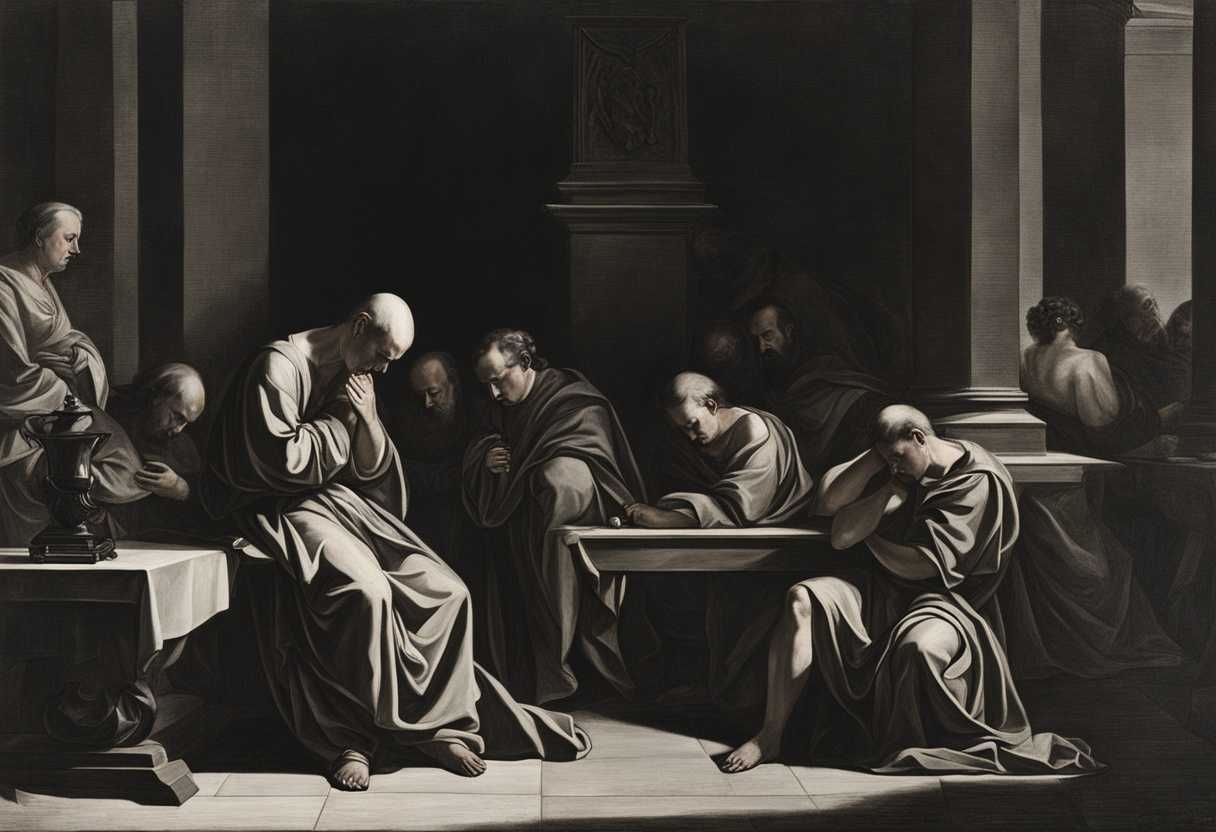
What the Bible Says About Baldness: Understanding Its Meaning and Significance
In the Bible, baldness can be associated with mourning, shame, or divine judgment. For instance, in Leviticus 13:40-41, a man with baldness is considered unclean, and in 2 Kings 2:23-24, the mocking of the prophet Elisha by youths who call him “bald” leads to a curse. Scripture 40 “If a man’s hair falls out from…
-

What the Bible Says About Kosher: A Definition and Understanding
In the Bible, “kosher” refers to foods that are deemed permissible for consumption according to Jewish dietary laws outlined in the Torah, particularly in Leviticus and Deuteronomy. The term signifies adherence to specific regulations regarding the types of animals that can be eaten, their preparation, and the separation of meat and dairy products. Scripture 1…
-

What the Bible Says About Omega: Definition and Significance
In the Bible, “Omega” is the last letter of the Greek alphabet and symbolizes the end or culmination of all things. It is often associated with Jesus Christ, who declares Himself as “the Alpha and the Omega” in Revelation 22:13, signifying His eternal presence and sovereign authority over history. Scripture 8 “I am the Alpha…