
Category: Definitions
-

What the Bible Says About the Meaning of Jacinth
In the Bible, jacinth is a precious stone mentioned in the Book of Revelation (21:20) as one of the foundations of the New Jerusalem. It is often associated with a deep blue or violet hue, symbolizing beauty and value in biblical imagery. Scripture 15 “You shall make a breastpiece of judgment, in skilled work. In…
-
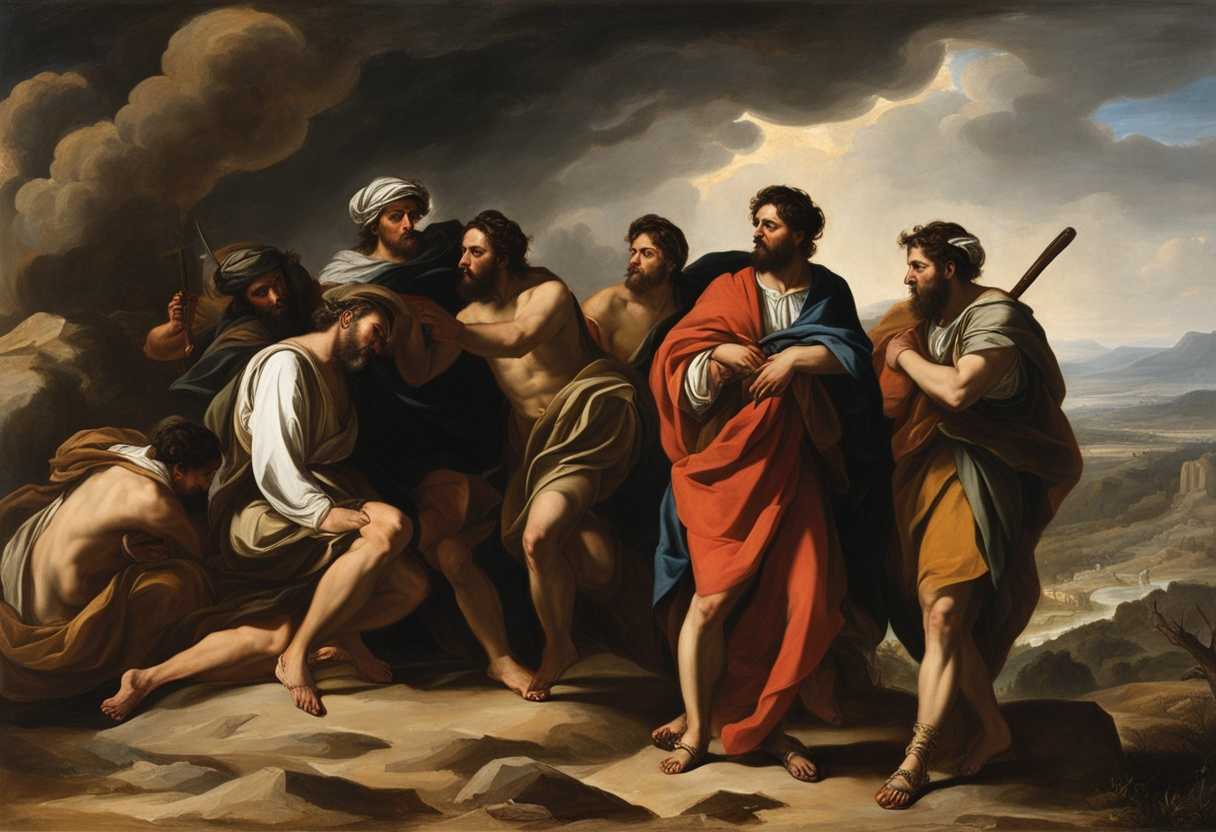
What the Bible Says About Grumbling: A Definition and Reflection
In the Bible, “grumble” refers to expressing dissatisfaction or complaint, often in a manner that reflects a lack of faith or gratitude towards God. An example can be found in Exodus 16:2-3, where the Israelites grumble against Moses and Aaron regarding their hardships in the wilderness. Scripture 2 And the whole congregation of the people…
-

What the Bible Says About the Sardius Stone and Its Symbolism in the Girdle Belt
In the Bible, the sardius stone, also known as carnelian, is mentioned in Exodus 28:17 as one of the stones set in the breastplate of the High Priest, representing the tribe of Judah. It symbolizes beauty, significance, and the divine favor of God, reflecting the glory and majesty of His creation. Scripture 17 You shall…
-

What the Bible Says About the Leap of Faith
In the Bible, “leap” often signifies joy, excitement, or a powerful response to God’s actions. For example, in Luke 1:44, Elizabeth expresses that her unborn baby leapt in her womb in recognition of Mary’s presence, highlighting a divine connection and joy. Scripture 14 And David danced before the Lord with all his might. And David…
-

What the Bible Says About the Meaning of Thicket
In the Bible, a “thicket” typically refers to a dense growth of bushes or shrubs, often symbolizing entrapment or challenges (e.g., Exodus 3:2, where the burning bush is in a thicket). It can also represent a place of danger or concealment in the wilderness. Scripture 9 When they came to the place of which God…
-
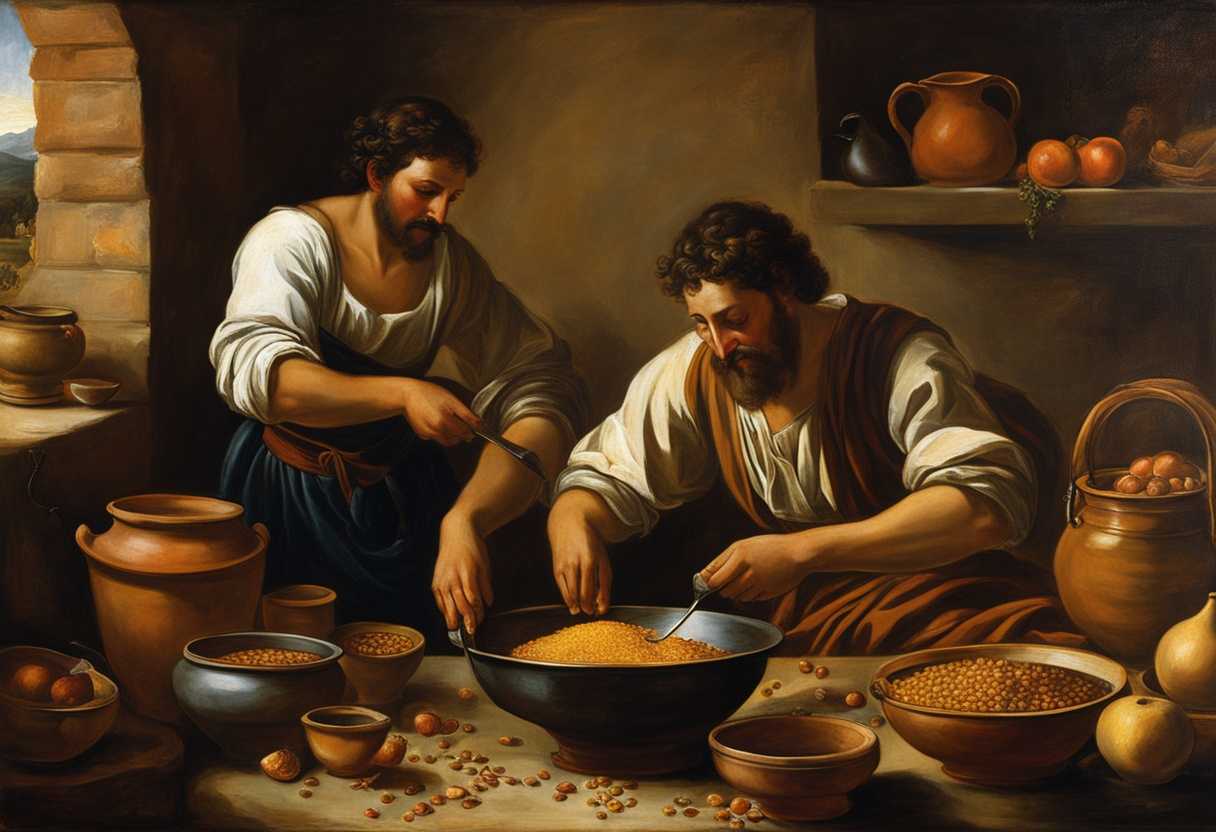
What the Bible Says About Pottage: A Definition and Its Significance
In the Bible, “pottage” refers to a thick soup or stew, typically made from grains or legumes. It is notably mentioned in Genesis 25:29-34, where Esau sells his birthright to Jacob in exchange for a bowl of lentil pottage. Scripture 29 Once when Jacob was cooking stew, Esau came in from the field, and he…
-

What the Bible Says About Naphtha: Understanding Its Definition and Significance
In a biblical context, naphtha refers to a flammable liquid derived from petroleum or natural oils, often used for lighting and fuel. It is mentioned in contexts related to fuel and commerce, highlighting its value in ancient trade and daily life, primarily in the book of Exodus (Exodus 25:6, often interpreted as a type of…
-

What the Bible Says About Seedtime and Harvest
In the Bible, “seedtime” refers to the period of planting seeds, symbolizing the beginning of growth and the promise of harvest (Genesis 8:22). It represents faith, patience, and the principle that what is sown will eventually be reaped, both in a physical and spiritual sense. Scripture 22 While the earth remains, seedtime and harvest, cold…
-

What the Bible Says About the Vessel: A KJV Definition
In the Bible, particularly in the King James Version (KJV), the term “vessel” often refers to a container or instrument, metaphorically representing a person used by God for a specific purpose (e.g., Romans 9:21). It can signify both honor and dishonor based on the individual’s role in God’s plan. Scripture 8 But now, O Lord,…
-

What the Bible Says About Swellings: Understanding Its Definition and Significance
In the Bible, “swellings” often refers to physical manifestations or symptoms of affliction, such as tumors or lesions, linked to God’s judgments or illnesses (e.g., in Deuteronomy 28:27). It can also symbolize pride or arrogance in a metaphorical sense, indicating an inflated sense of self (Proverbs 16:18). Scripture 1 The Lord spoke to Moses and…