
Category: Definitions
-

What the Bible Says About Fainting: Understanding Its Meaning and Significance
In the Bible, “faint” often refers to the state of physical or emotional weakness and exhaustion, indicating a loss of strength or courage. It can also symbolize spiritual fatigue or despair, urging believers to find renewal and strength through faith in God (Isaiah 40:29-31). Scripture 1 When you go out to war against your enemies,…
-

What the Bible Says About Jacob’s Well: Its Meaning and Significance
Jacob’s Well is a historic site mentioned in the New Testament, specifically in John 4:6, where Jesus speaks to a Samaritan woman. It symbolizes both physical thirst and spiritual fulfillment, as Jesus uses it to illustrate the living water he offers. Scripture 18 And Jacob came safely to the city of Shechem, which is in…
-

What the Bible Says About the Meaning of Good Measure
In the Bible, “good measure” refers to the principle of providing generously and abundantly, as seen in Luke 6:38, which states that one should give with a generous heart, resulting in being given back in the same or greater measure. It emphasizes the idea that the quality and intention behind giving are as important as…
-

What the Bible Says About the Meaning of Pisgah
In the Bible, Pisgah refers to a mountain region mentioned in Deuteronomy 3:27 and Numbers 21:20, where Moses viewed the Promised Land before his death. The name is often associated with the idea of a vantage point or a place of divine revelation. Scripture 20 and from Bamoth to the valley that is in the…
-

“What the Bible Says About Intended Definitions”
In the Bible, “intended” often refers to a purpose or plan established by God or individuals towards a particular goal or outcome. It emphasizes the notion of divine or personal volition in actions and decisions, as seen in verses that discuss God’s desires or human intentions. Scripture 19 But Joseph said to them, “Do not…
-
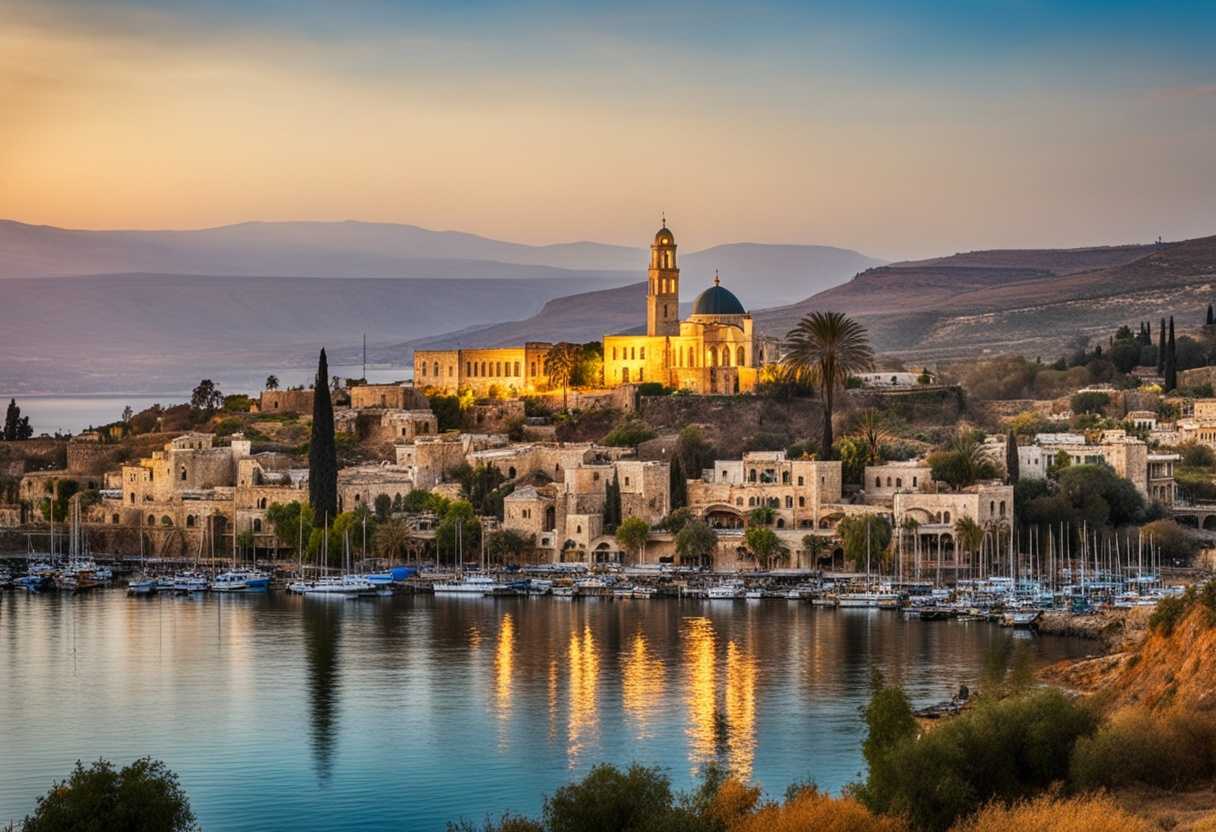
What the Bible Says About Tiberias: Its Meaning and Significance
Tiberias is a city mentioned in the New Testament, notably as a location near the Sea of Galilee (John 6:1). It was known as a center of Jewish learning and culture during the time of Jesus, reflecting the intersection of Jewish and Roman influences in the region. Scripture 1 After this Jesus went away to…
-

What the Bible Says: “Man Does Not Live by Bread Alone” Meaning Explained
The phrase “man does not live by bread alone” comes from Deuteronomy 8:3 and is cited by Jesus in Matthew 4:4. It emphasizes that spiritual nourishment and obedience to God’s word are as essential to life as physical sustenance. Scripture 1 “The whole commandment that I command you today you shall be careful to do,…
-

What the Bible Says About the Assyrians: A Historical Perspective
In the Bible, the Assyrians are often depicted as a powerful and aggressive empire known for their conquests and exile of the Israelites, particularly during the 8th century BC. They are frequently mentioned in connection with prophetic warnings and judgments, as seen in books like Isaiah and Nahum, highlighting their role in God’s plans for…
-

What the Bible Says About the Meaning of “Of”
In the Bible, the word “of” often denotes possession, association, or origin, showing relationships between people, objects, or ideas. It can signify belonging, as in “the house of David,” or part of a larger whole, such as “the fruit of the Spirit.” Scripture 26 Then God said, “Let us make man in our image, after…
-

What the Bible Says About Euroclydon: Understanding the Storm in Acts 27
Euroclydon refers to a violent, tempestuous wind mentioned in Acts 27:14 in the New Testament. It is a term for a strong northeast wind that caused a severe storm during the Apostle Paul’s journey to Rome. Scripture 13 Now when the south wind blew gently, supposing that they had obtained their purpose, they weighed anchor…