
Category: Definitions
-

What the Bible Says About Bashan: Understanding Its Meaning and Significance
Bashan is mentioned in the Bible as a region known for its rich pastures and strong oak trees, often associated with abundance and fertility. It is also noted as the territory of the Rephaim, ancient giants, and is referenced in the context of Israel’s conquests in the Promised Land (Deuteronomy 3:10-11). Scripture 1 “Then we…
-

What the Bible Says About the Hebrew Definition of “Aven”
In the Bible, the Hebrew term “aven” (אֲוֶן) typically means “wickedness,” “iniquity,” or “vanity.” It is often used to denote moral corruption or emptiness, highlighting themes of sin and idolatry. Scripture 21 How the faithful city has become a whore, she who was full of justice! Righteousness lodged in her, but now murderers. 22 Your…
-

What the Bible Says About the Meaning of Midian
In the Bible, Midian refers to both a person and a region; it is the name of a son of Abraham by Keturah and the name of a territory inhabited by his descendants. The Midianites are often depicted as nomadic people who interacted with the Israelites, sometimes in conflict and sometimes as allies (Exodus 2:15-22;…
-

What the Bible Says About Witness: Understanding Its Meaning in Scripture
In the LDS Bible Dictionary, a “witness” refers to one who testifies to the truth of a matter, particularly in the context of providing evidence of God’s existence, Christ’s divinity, or the truth of the scriptures. It emphasizes the importance of personal testimony and the role of individuals in bearing witness to their faith and…
-

What the Bible Says About the Meaning of Grecia
In the Bible, “Grecia” refers to Greece, often symbolizing the influence of Hellenistic culture and philosophy on the ancient world. It appears in prophetic texts, such as Daniel, representing one of the empires that would rise and fall in the course of history. Scripture 21 And the goat is the king of Greece, and the…
-

What the Bible Says About the Meaning of Avouches
In the Bible, “avouches” means to affirm or bear witness to a truth or commitment, often used in the context of declaring allegiance or responsibility. For example, in Deuteronomy 26:17, it indicates a sworn commitment to obey God’s commands and affirm one’s relationship with Him. Scripture 16 “This day the Lord your God commands you…
-
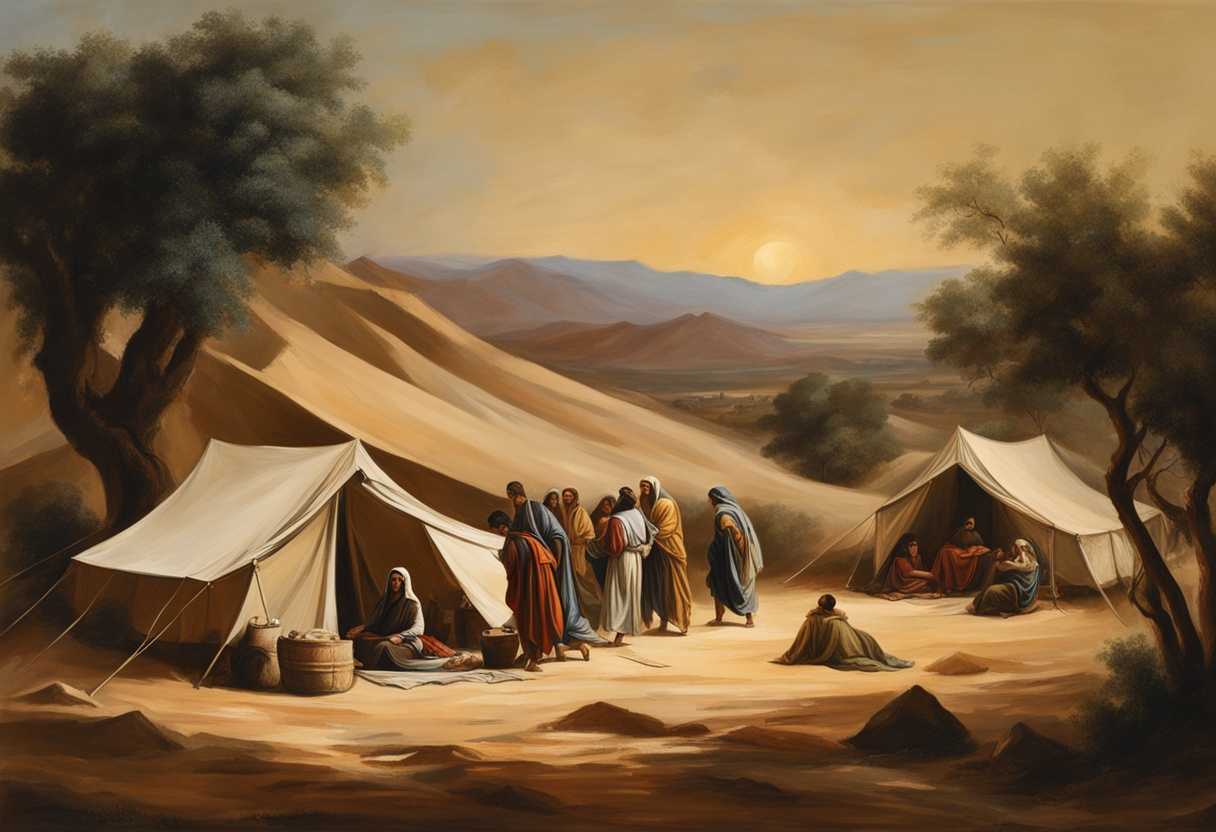
What the Bible Says About Succoth: Understanding Its Meaning and Significance
Succoth, in the Bible, refers to a location where the Israelites camped during their exodus from Egypt, symbolizing a place of temporary shelter and protection (Exodus 12:37). The name “Succoth” means “booths” or “shelters,” reflecting the temporary structures used by the people during their travels (Leviticus 23:34-43). Scripture 17 But Jacob journeyed to Succoth, and…
-

What the Bible Says About Changing One’s Nature: Can a Leopard Change Its Spots?
The phrase “can a leopard change its spots” originates from Jeremiah 13:23, where it illustrates the idea that it is difficult for people to change their inherent nature or behavior. It signifies the belief that like a leopard’s spots, one’s fundamental character or sinful tendencies are not easily altered. Scripture 23 Can the Ethiopian change…
-

What the Bible Says About Isles and Their Meaning
In the Bible, “isles” typically refers to distant lands or regions, often associated with maritime peoples or territories beyond Israel, symbolizing the far reaches of the earth. It serves to indicate the diversity of nations that would acknowledge God’s sovereignty, as seen in passages like Isaiah 42:4. Scripture 5 From these the coastland peoples spread…
-

What the Bible Says About the Dreadful Meaning of Fear
In the Bible, “dreadful” often refers to something that inspires fear, awe, or reverence, particularly in the context of God’s power and judgment. For example, in Jeremiah 20:11, the Lord is described as “dreadful” to His enemies, highlighting His mighty and fearsome nature. Scripture 10 Jacob left Beersheba and went toward Haran. 11 And he…