
Category: Quotes and Phrases
-

What the Bible Says About Kindness in the Face of Meanness
The Bible encourages kindness even in the face of meanness, as seen in Romans 12:20-21, which instructs believers to overcome evil with good. Additionally, Ephesians 4:32 calls for kindness and compassion towards one another, reflecting the forgiveness shown by God. Scripture 17 Repay no one evil for evil, but give thought to do what is…
-

What the Bible Says About the Voice Crying in the Wilderness
The phrase “a voice crying in the wilderness” refers to a messenger or prophet who calls people to repentance and prepares the way for God’s revelation or action. It is famously associated with John the Baptist, who preached in the wilderness as described in Isaiah 40:3 and fulfilled in the New Testament (Matthew 3:3). Scripture…
-

What the Bible Says About “Hand Me Down” Traditions
The phrase “hand me down my Bible” generally refers to the request for one’s personal or familial Bible, often implying a sense of tradition, heritage, or the importance of scripture in one’s life. In a broader biblical sense, it can signify the desire to seek guidance, wisdom, or comfort from God’s word. Scripture Sure! Here…
-

What the Bible Says About “Didst” and Its Meaning
“Didst” is an archaic second-person singular form of “did,” often used in the King James Version of the Bible to address someone directly, indicating a past action. It reflects the past tense of “do,” commonly found in older English texts, particularly in prayers and dialogues. Scripture 11 He said, “Who told you that you were…
-

What the Bible Says: “Whither Thou Goest, I Will Go” Meaning Explained
The phrase “whither thou goest, I will go” expresses a profound commitment and loyalty, exemplified in Ruth 1:16-17, where Ruth vows to accompany her mother-in-law Naomi, demonstrating fidelity and devotion. It signifies a willingness to support and stay by someone’s side through all circumstances. Scripture 16 But Ruth said, “Do not urge me to leave…
-

What the Bible Says About the “Apple of My Eye” Meaning
In the Bible, the phrase “apple of my eye” refers to someone who is very dear or cherished. It signifies the special protection and care one has for a beloved person, as seen in expressions such as Deuteronomy 32:10 and Psalm 17:8, where it highlights God’s love and vigilance over His people. Scripture 9 But…
-

What the Bible Says About “Sufficient Unto the Day is the Evil Thereof”
The phrase “sufficient unto the day is the evil thereof” comes from Matthew 6:34, indicating that each day’s troubles and challenges are enough to deal with without borrowing worries from the future. It emphasizes the importance of focusing on the present and trusting in God’s provision for each day. Scripture 25 “Therefore I tell you,…
-

What the Bible Says About “Dost” and Its Meaning
In the Bible, “dost” is an archaic form of the verb “do,” used in the second person singular. It appears in passages where God or the speaker addresses an individual directly, conveying actions or commands (e.g., “Thou dost well”). Scripture 6 The Lord said to Cain, “Why are you angry, and why has your face…
-
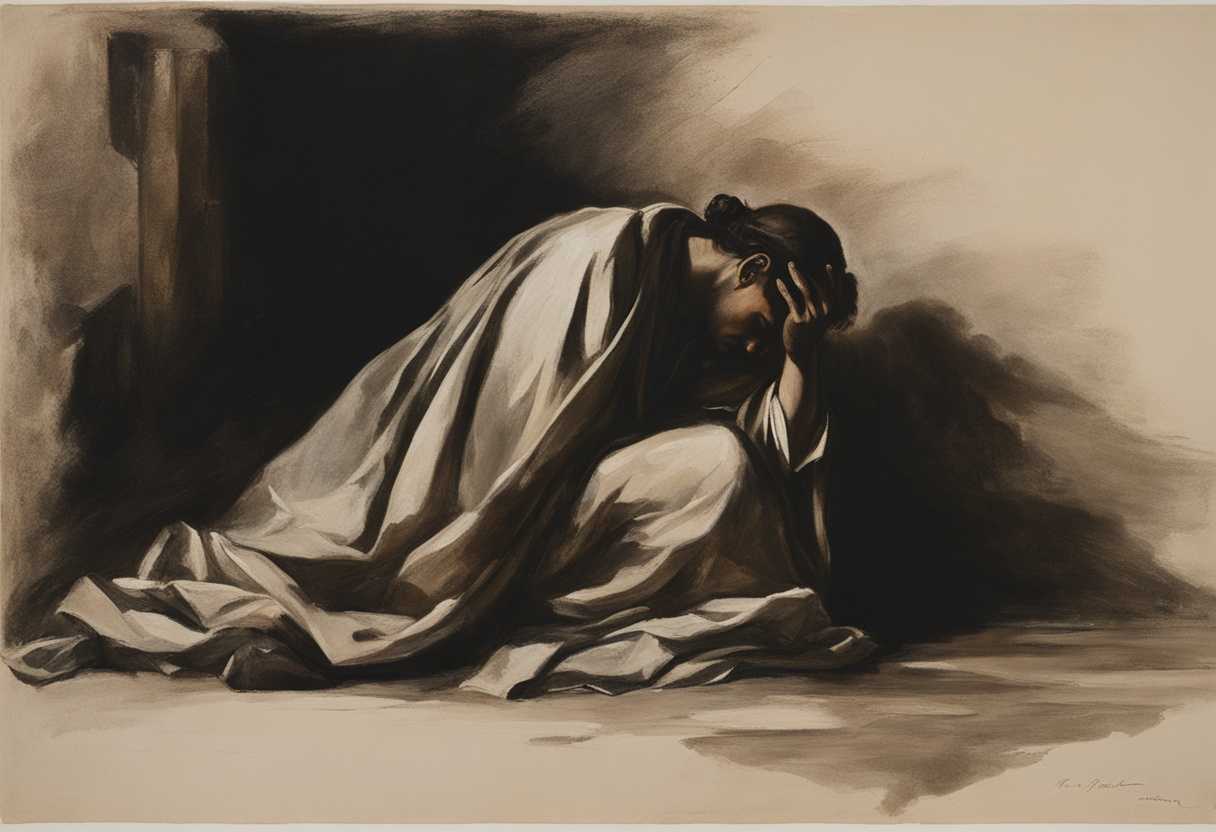
What the Bible Says About “Woe is Me”
“Woe is me” is an expression of lament or deep sorrow often used in the Bible to convey anguish, distress, or a recognition of impending judgment. It typically signifies a cry for help in the face of overwhelming circumstances or personal sin. Scripture 1 In the year that King Uzziah died I saw the Lord…
-

What the Bible Says About the Meaning of Life
Ecclesiastes 12:13-14 summarizes the meaning of life with the exhortation to “Fear God and keep His commandments, for this is the whole duty of man.” It emphasizes that life’s purpose is rooted in reverence for God and adherence to His will. Scripture 13 The end of the matter; all has been heard. Fear God and…