
Category: Spiritual and Theological Concepts
-

What the Bible Says About Mingled: Understanding Its Definition and Context
In the Bible, “mingled” often refers to the mixing or combining of different elements, such as people, cultures, or substances, which can carry both positive and negative connotations. For example, in Exodus 12:38, “mingled” describes the mixed multitude that left Egypt with the Israelites, highlighting the blending of different backgrounds in the community of believers.…
-

What the Bible Says About the Definition of a Ram
In the Bible, a ram often symbolizes strength, sacrifice, and God’s provision. Notably, it is associated with the story of Abraham and Isaac, where a ram provided as a substitute for a sacrificial offering (Genesis 22:13). Scripture 22 After these things God tested Abraham and said to him, “Abraham!” And he said, “Here I am.”…
-

What the Bible Says About the Definition of Sick
In the Bible, sickness is often seen as a result of humanity’s fallen state and can symbolize spiritual brokenness or sin (James 5:14). It is also viewed as a means through which God may demonstrate His power, mercy, and purpose, calling individuals to seek healing and restoration (John 9:1-3). Scripture 14 Is anyone among you…
-
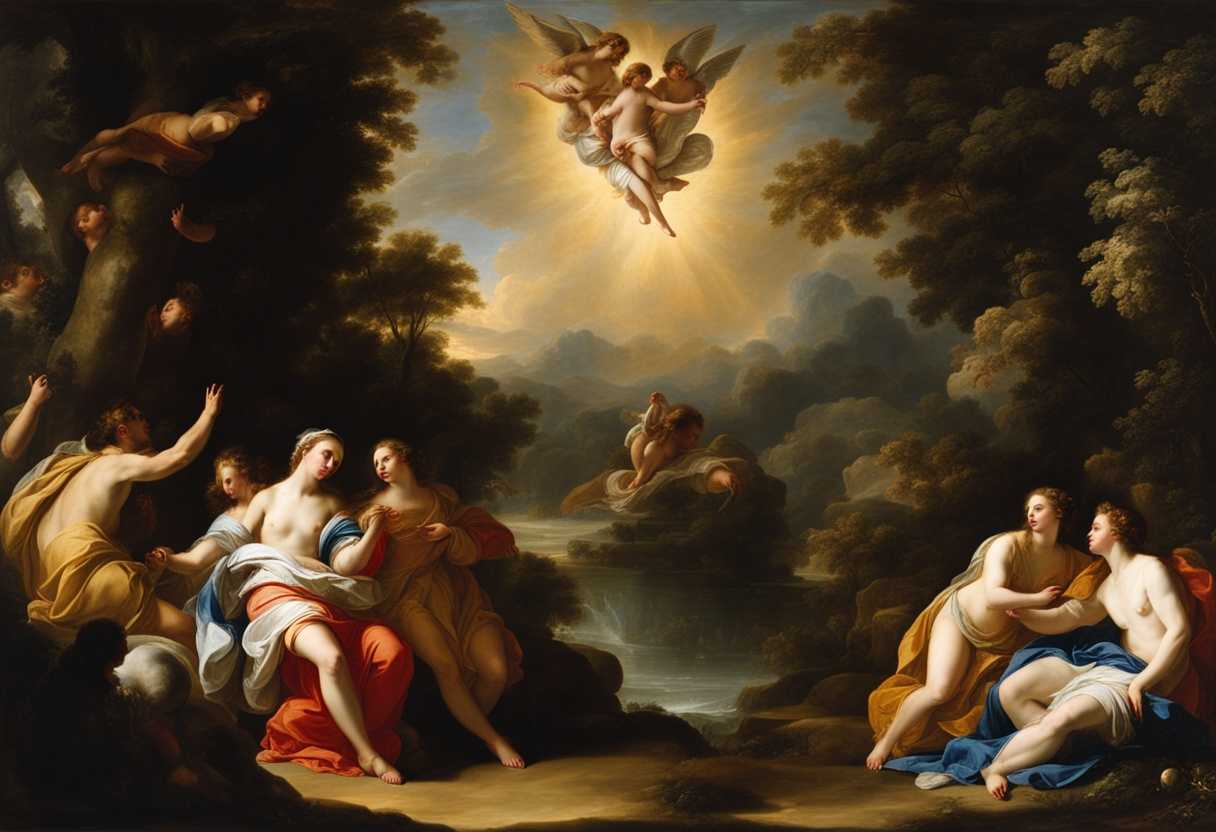
What the Bible Says About Temporal Definitions and Their Significance
In the Bible, “temporal” refers to things that are earthly, transient, or of limited duration, as opposed to eternal spiritual matters. It emphasizes the temporary nature of worldly concerns in contrast to the everlasting nature of God’s kingdom and promises. Scripture 16 So we do not lose heart. Though our outer self is wasting away,…
-
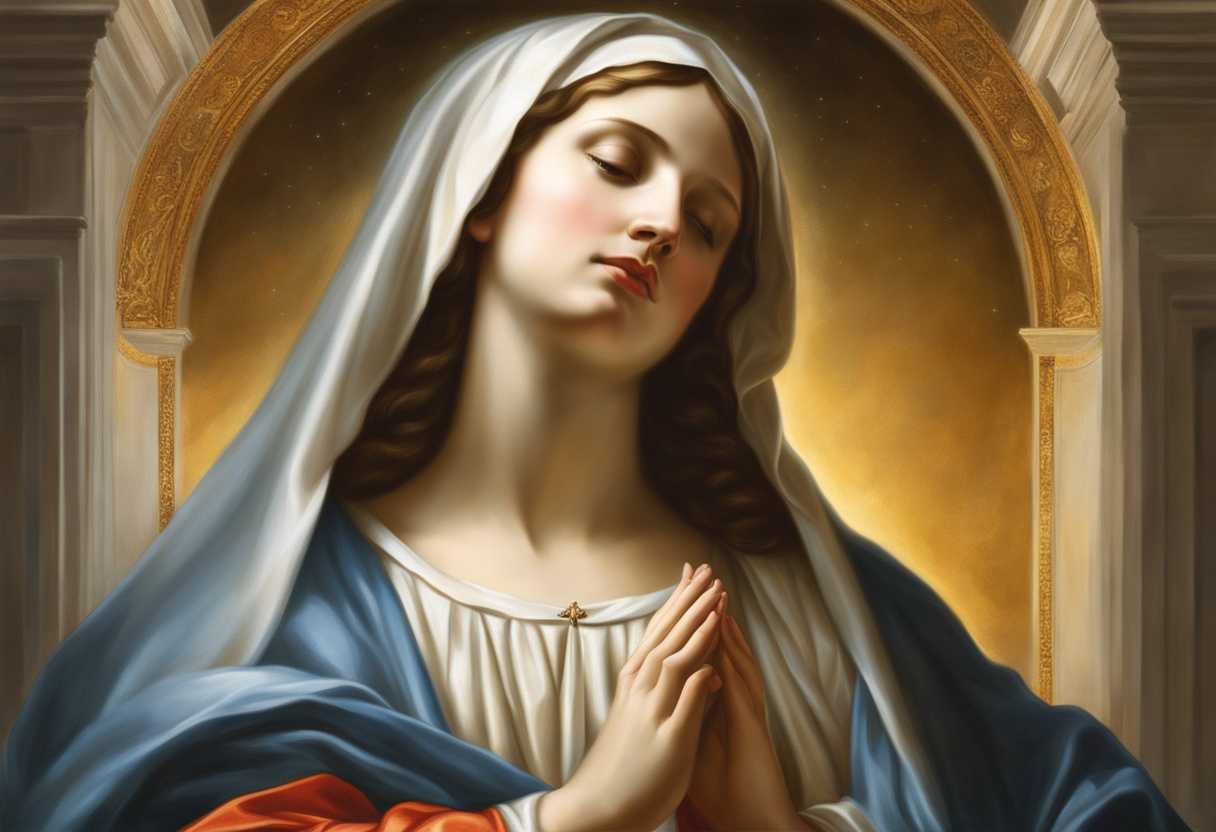
What the Bible Says About Virginal Conception
The virginal conception refers to the belief that Jesus Christ was conceived in the womb of the Virgin Mary through the Holy Spirit, without the involvement of a human father. This miraculous event is affirmed in the Gospels of Matthew (1:18-25) and Luke (1:26-38) and signifies both Jesus’ divine origin and the fulfillment of prophetic…
-

What the Bible Says About the Meaning of a Thousand Years
In the Bible, a thousand years often symbolizes a complete and perfect period of time, representing God’s reign and fulfillment of His promises. This is most notably referenced in Revelation 20, where the “thousand years” signifies a time of peace and restoration under Christ’s authority. Scripture 1 Then I saw an angel coming down from…
-
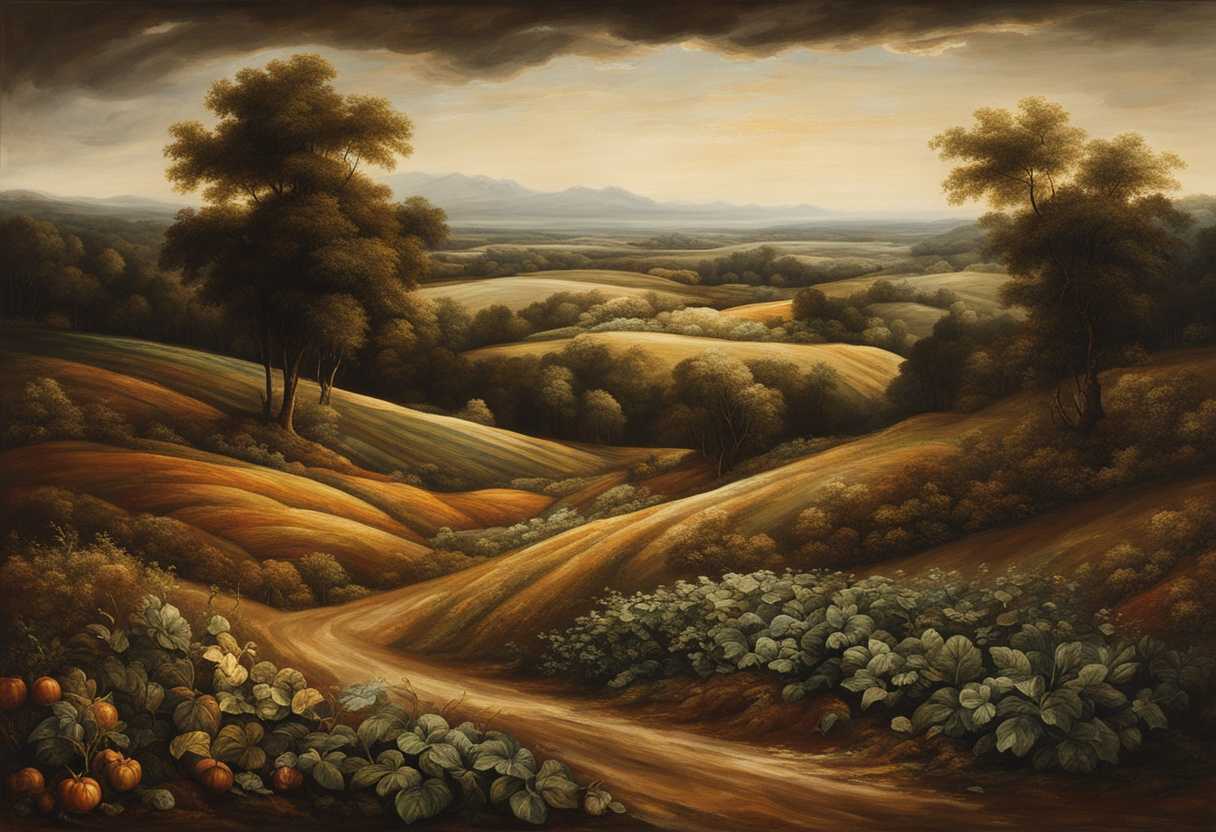
What the Bible Says About the Meaning of Dirt
In the Bible, dirt and soil symbolize humanity’s humble origin, as humans were created from the dust of the ground (Genesis 2:7). Additionally, soil often represents fertility and growth, reflecting spiritual truths about being rooted in faith and producing good fruit (Matthew 13:8). Scripture 7 then the Lord God formed the man of dust from…
-

What the Bible Says About the Meaning of Hissing
In the Bible, hissing often symbolizes contempt, judgment, or warning. For example, in Lamentations 2:15, it reflects the derision of onlookers towards the fallen city of Jerusalem, serving as a potent image of disgrace and scorn. Scripture 26 He will raise a signal for nations far away, and whistle for them from the ends of…
-

What the Bible Says About the Meaning of the Color Ochre
In the Bible, ochre, a natural earth pigment, often symbolizes humility, mortality, and the human condition, as it is reminiscent of the earth from which humans were created (Genesis 2:7). Its use in various contexts, such as in the construction of the Tabernacle (Exodus 25:5), highlights themes of artistry and divine creation. Scripture 1 The…
-
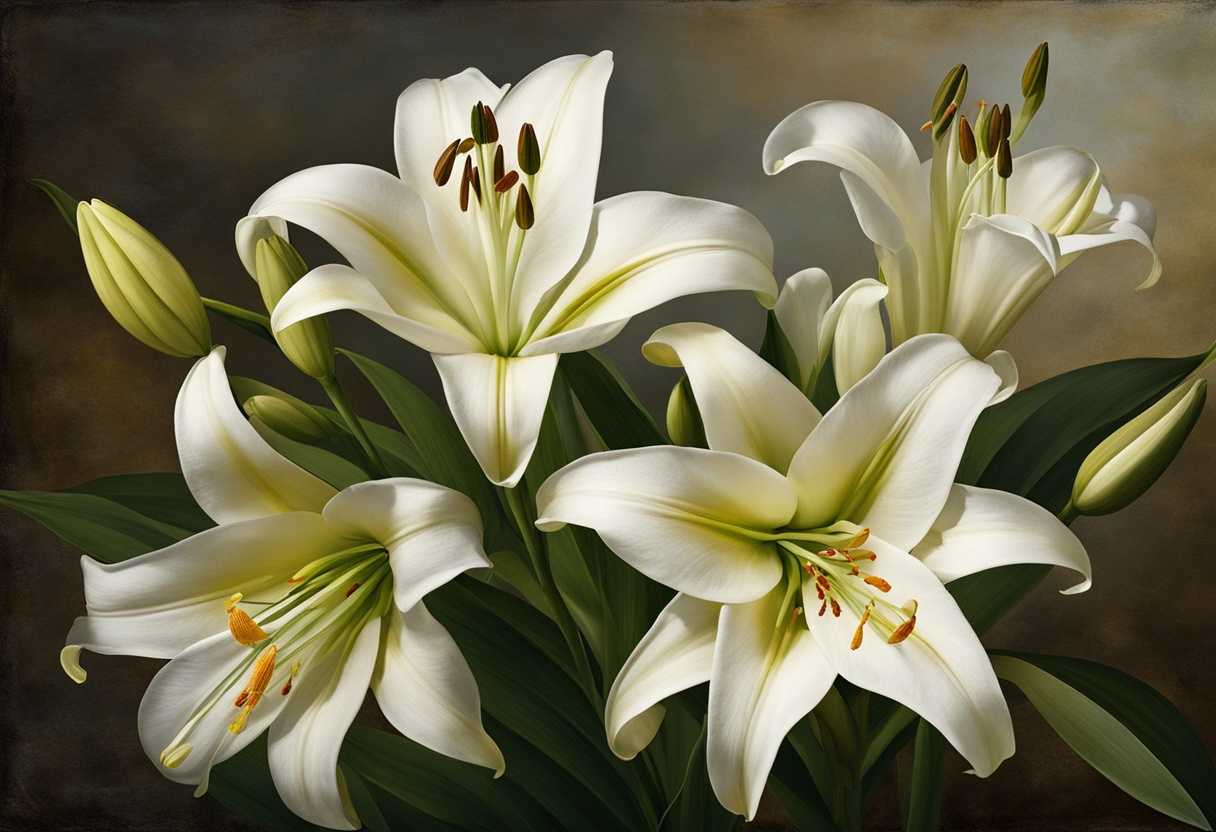
What the Bible Says About the Meaning of the Lily Flower
In the Bible, the lily flower is often associated with beauty, purity, and divine care; for instance, in Matthew 6:28-29, Jesus points to the lilies of the field as a symbol of God’s provision and the importance of faith over anxiety about material needs. Additionally, in the Song of Solomon 2:1, the beloved is referred…