
In the Bible, the lily flower is often associated with beauty, purity, and divine care; for instance, in Matthew 6:28-29, Jesus points to the lilies of the field as a symbol of God’s provision and the importance of faith over anxiety about material needs. Additionally, in the Song of Solomon 2:1, the beloved is referred to as a “lily among thorns,” illustrating love’s beauty amidst adversity.
Scripture
1 I am a rose of Sharon, a lily of the valleys.
2 As a lily among thorns, so is my love among the daughters.
Biblical Significance of the Lily Flower
The lily flower in the Bible serves as a profound symbol, embodying themes of beauty, purity, and divine providence. In Matthew 6:28-29, Jesus uses the lilies of the field to illustrate God’s care for creation, urging believers not to be anxious about their material needs. He emphasizes that if God so beautifully adorns the lilies, which are here today and gone tomorrow, then surely He will provide for His children. This teaches a deeper lesson about faith, reminding us to trust in God’s goodness and provision rather than succumbing to worries about worldly concerns. This perspective highlights that God values His followers enough to provide for their needs, and it encourages a life rooted in faith rather than fear.
Additionally, the mention of the beloved as a “lily among thorns” in the Song of Solomon 2:1 reinforces the notion of beauty standing out amidst challenges. Here, the lily represents purity and love that flourishes even in difficult circumstances. The contrast of the delicate lily with the harshness of thorns suggests that love—whether divine or human—can thrive despite the adverse elements surrounding it. This imagery invites believers to appreciate the beauty of love and the divine presence in their lives while acknowledging the struggles they may face. In this way, the lily flower becomes a metaphor for hope, resilience, and the richness of God’s creation, reminding us of the spiritual importance of embracing both beauty and adversity as part of our journey.
Furthermore, the lily flower carries significant symbolism in the realm of resurrection and new life. In various interpretations, it is often associated with the promise of restoration as seen in the context of various biblical festivals and the themes of spring, which symbolize renewal. This connection underscores the transformational power of God, who brings forth life from what might appear dead or dormant. Such theological reflections invite believers to embrace the idea that God can revitalize and breathe new life into any situation, no matter how bleak it may seem, akin to how lilies bloom anew each spring.
Moreover, in the context of worship and sacred spaces, the use of lilies in holy symbolism—specifically during celebrations such as Easter—enhances their significance. The fragrance and beauty of lilies evoke a sense of reverence, often reminding congregants of Christ’s victory over death and the hope of eternal life. This layer of meaning deepens the understanding of lilies as not just attractive flowers but as potent reminders of the covenant relationship between God and humanity. In this light, the lily serves not only as a representation of aesthetic beauty but also as a multidimensional symbol of faith, hope, and the assurance of God’s everlasting love and promises, encouraging believers to reflect on their spiritual journey and the transformative nature of faith.
Symbol of Purity and Innocence
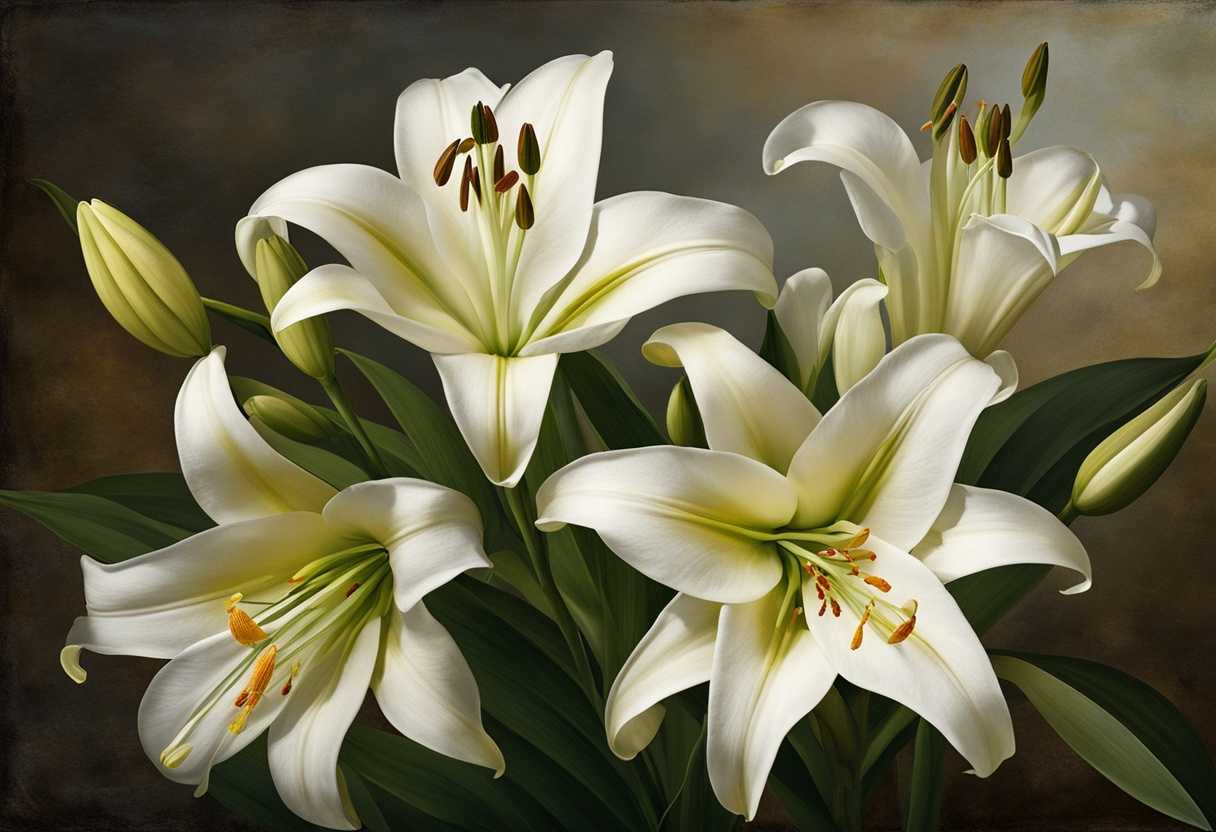
The lily flower is often associated with purity and innocence in biblical texts. Its pristine white petals symbolize the unblemished nature of the soul and the divine qualities of holiness. This connection to purity is reflected in various religious traditions, where the lily is used in rituals and iconography to represent the Virgin Mary and the purity of Christ. The flower serves as a reminder of the ideal state of being free from sin and the call to live a life of virtue.
Representation of God’s Provision
In the Bible, the lily also signifies God’s provision and care for His creation. The beauty and resilience of the lily, which flourishes in nature without human cultivation, illustrate the idea that God provides for all living things. This serves as a metaphor for faith and trust in divine providence, encouraging believers to rely on God’s sustenance and grace in their lives. The lily’s ability to thrive in various environments reflects the abundance of God’s blessings and the assurance that He will meet the needs of His people.
Emblem of Resurrection and New Life
The lily flower is frequently associated with themes of resurrection and new life. Its seasonal blooming represents the cycle of death and rebirth, paralleling the Christian belief in the resurrection of Jesus Christ. This connection emphasizes hope and renewal, suggesting that just as the lily emerges from the ground each spring, so too can individuals experience spiritual rebirth and transformation. The lily thus becomes a powerful symbol of hope, reminding believers of the promise of eternal life and the beauty that can arise from trials and tribulations.
How to Embrace Purity and Live a Beautiful Faith
Embracing purity in our lives is a beautiful journey that reflects our commitment to living out our faith authentically. It starts with understanding that purity is not just about avoiding sin, but about cultivating a heart that seeks after God’s own. This means filling our minds with His Word, surrounding ourselves with uplifting influences, and being intentional about our choices—whether in our relationships, our media consumption, or our daily interactions. Remember, purity is a process, and it’s okay to stumble along the way; what matters is our willingness to turn back to God, seek His forgiveness, and strive to align our lives with His will. As we embrace this path, we not only grow closer to Him but also become a light to others, showcasing the beauty of a life dedicated to Christ. So, let’s take small, deliberate steps each day, trusting that God will guide us and transform our hearts as we pursue a life of purity and faith.
Bible References to the Lily Flower:
Song of Solomon 2:16-17: 16 My beloved is mine, and I am his; he grazes among the lilies.
17 Until the day breathes and the shadows flee, turn, my beloved, and be like a gazelle or a young stag on the cleft mountains.
Song of Solomon 4:5-6: 5 Your stature is like a palm tree, and your breasts are like its clusters.
6 Until the day breathes and the shadows flee, I will go away to the mountain of myrrh and the hill of frankincense.
Song of Solomon 5:13-14: 13 His cheeks are like beds of spices, mounds of sweet-smelling herbs. His lips are lilies, dripping liquid myrrh.
14 His arms are rods of gold, set with jewels; his body is like polished ivory, bedecked with sapphires.
Song of Solomon 6:2-3: 2 My beloved has gone down to his garden, to the beds of spices, to graze in the gardens and to gather lilies.
3 I am my beloved’s and my beloved is mine; he grazes among the lilies.
Hosea 14:5-7: 5 I will be like the dew to Israel;
he shall blossom like the lily;
he shall take root like the trees of Lebanon;
6 his shoots shall spread out;
his beauty shall be like the olive,
and his fragrance like Lebanon.
7 They shall return and dwell beneath my shadow;
they shall flourish like the grain;
they shall blossom like the vine;
their fame shall be like the wine of Lebanon.
Matthew 6:28-30: 28 And why are you anxious about clothing? Consider the lilies of the field, how they grow: they neither toil nor spin,
29 yet I tell you, even Solomon in all his glory was not arrayed like one of these.
30 But if God so clothes the grass of the field, which today is alive and tomorrow is thrown into the oven, will he not much more clothe you, O you of little faith?
Luke 12:27-28: 27 Consider the lilies, how they grow: they neither toil nor spin, yet I tell you, even Solomon in all his glory was not arrayed like one of these.
28 But if God so clothes the grass, which is alive in the field today, and tomorrow is thrown into the oven, how much more will he clothe you, O you of little faith!

Reverend Michael Johnson is an experienced Church Minister with a profound expertise in spirituality and guidance. With a serene presence and a compassionate heart, he has faithfully served his congregation for over 20 years, leading them on a spiritual journey towards inner peace and enlightenment. Reverend Johnson’s extensive knowledge of religious philosophies and profound understanding of human nature have made him a trusted confidant and mentor to many, as he seamlessly weaves his profound wisdom into life teachings. Reverend Johnson’s calming demeanor and empathetic nature continue to uplift and heal souls, nurturing a sense of unity and tranquility within his community.