
1 Samuel 6:19-20 is about the consequence of disrespecting the holiness of God, as the people of Beth-shemesh were struck down for looking inside the ark of the covenant.
19 And he struck some of the men of Beth-shemesh, because they looked upon the ark of the Lord. He struck seventy men of them, and the people mourned because the Lord had struck the people with a great blow.
20 Then the men of Beth-shemesh said, “Who is able to stand before the Lord, this holy God? And to whom shall he go up away from us?”
Setting the Scene for 1 Samuel 6:19-20
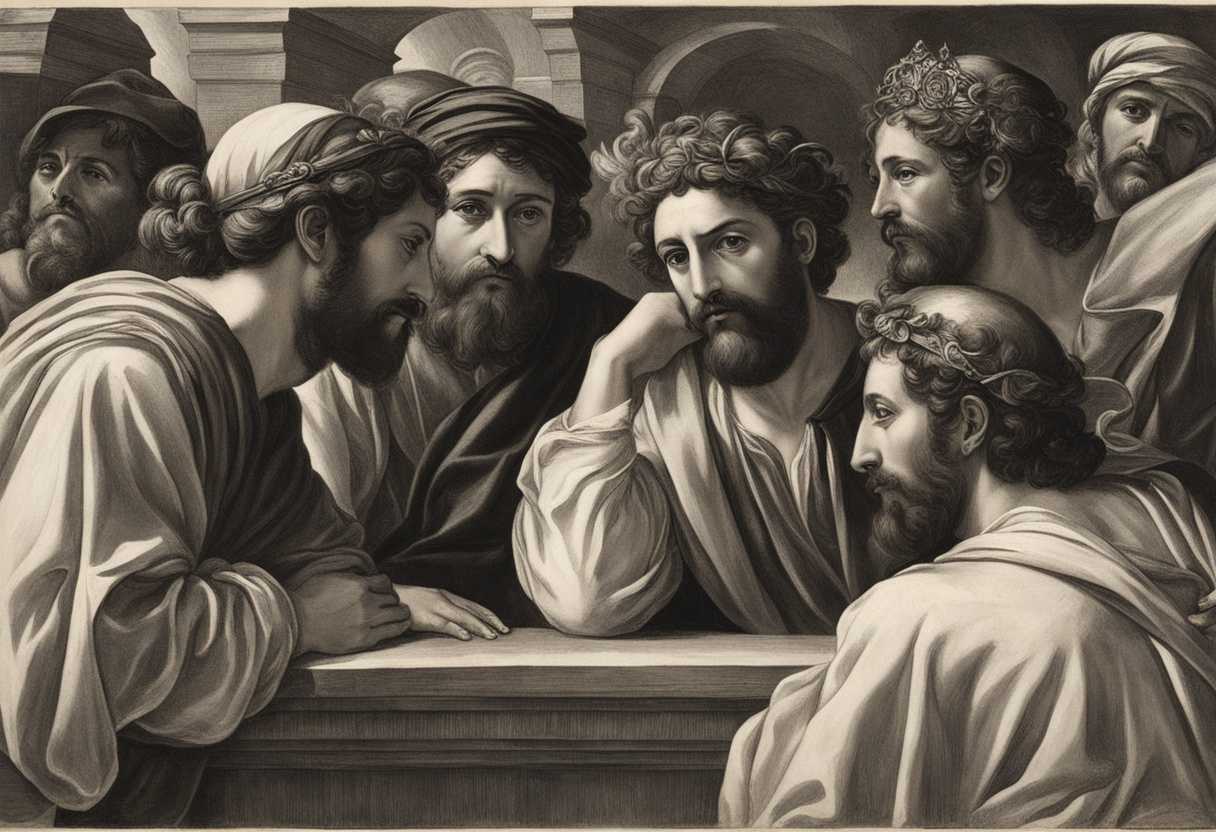
The scene in 1 Samuel 6:19-20 takes place in the town of Beth-shemesh, a small Israelite town located in the tribal territory of Judah. The Ark of the Covenant had been returned by the Philistines, who had captured it during battle. The people of Beth-shemesh were overjoyed to see the Ark back in their possession and decided to open it to look inside.
As they gazed upon the Ark, some of the men of Beth-shemesh were struck down by the Lord for looking inside, as they had acted in irreverence towards the sacred object. This event caused fear and distress among the people, leading them to ask the inhabitants of Kiriath-jearim to come and take the Ark away from them.
The scene is filled with a mix of emotions – from the initial joy of having the Ark returned to them, to the fear and reverence that followed when they realized the consequences of their actions. The people of Beth-shemesh found themselves in a moment of both celebration and solemnity as they grappled with the presence of the divine in their midst.
What is 1 Samuel 6:19-20 about?
This verse from the Bible holds a powerful lesson about respecting the sacred and following divine instructions. The people of Beth Shemesh gazed into the ark of the covenant, a sacred object representing the presence of God among his people in this particular incident. They demonstrated a lack of reverence and faith by disobeying God’s command not to look inside the ark.
Have you ever wondered about the consequences of ignoring clear instructions or disrespecting something sacred? Just like the people of Beth Shemesh faced God’s wrath for their disobedience, this verse reminds us of the importance of humility, obedience, and reverence towards the divine. It serves as a cautionary tale about the dangers of crossing boundaries that are meant to be respected.
Reflecting on this story can prompt introspection about how we approach the sacred in our own lives. Are there areas where we need to show more reverence, obedience, or humility? We can cultivate a deeper sense of respect for the sacred and strengthen our connection with the divine by taking heed of the lesson from Beth Shemesh.
Understanding what 1 Samuel 6:19-20 really means
In 1 Samuel 6:19-20, we encounter a poignant account of the consequences faced by the men of Beth Shemesh for their lack of reverence towards the Ark of the Covenant. The Ark, a symbol of God’s presence among His people, was mishandled and looked into by the men, leading to divine retribution. The phrase “He struck down some of the men of Beth Shemesh” underscores the severity of their actions and the direct intervention of God in response to their disrespect. This serves as a stark reminder of the importance of honoring the sacred and following God’s commandments.
The act of looking into the Ark, as mentioned in the passage, highlights the sanctity of the Ark and the need for reverence towards holy objects. It emphasizes the principle that certain things are set apart for God and should be treated with utmost respect. The rhetorical question posed, “Who is able to stand before the Lord, this holy God?” prompts us to consider the holiness of God and the humility required in approaching Him. It challenges us to reflect on our own attitudes towards the divine and the reverence we show in our worship and daily lives.
Drawing parallels from related biblical passages such as Leviticus 10:1-2 and 2 Samuel 6:6-7, we see a consistent theme of the consequences of disregarding God’s instructions and the need for reverence in His presence. The passage in Hebrews 12:28-29 further reinforces the call for worship with reverence and awe, emphasizing the unchanging holiness of God. These connections provide a broader context for understanding the significance of reverence in our relationship with God and the consequences of failing to acknowledge His holiness.
In today’s world, where sacredness is often overlooked or disregarded, this passage serves as a timely reminder of the importance of respecting what is holy. It warns us about the repercussions of disobedience and irreverence towards God’s commands, urging us to approach Him with humility and obedience. Just as the men of Beth Shemesh faced consequences for their actions, we are called to reflect on our own conduct and ensure that we honor God with reverence in all aspects of our lives.
To illustrate the gravity of disrespecting the sacred, consider a child mishandling a precious family heirloom out of curiosity, leading to its breakage. The sorrow and disappointment felt by the family mirror the consequences of failing to recognize and honor the value of what is sacred. Similarly, the men of Beth Shemesh’s lack of understanding and respect for the Ark resulted in dire outcomes. This anecdote underscores the importance of treating the sacred with utmost respect and serves as a poignant reminder of the consequences of irreverence.
In conclusion, the passage from 1 Samuel 6:19-20 serves as a powerful lesson on the holiness of God and the necessity of approaching Him with reverence and humility. It challenges us to examine our attitudes towards the sacred, reminding us of the consequences of disobedience and the importance of honoring God in all aspects of our lives. Let us heed this call to reverence and strive for obedience and humility in our relationship with the Almighty.
What evidence of God’s presence do we seek?
We can look for signs of God’s power and sovereignty in our lives as we seek evidence of His presence. We too can seek signs that point to His presence, just as the people in 1 Samuel witnessed the consequences of disobeying God and saw His hand at work through the events that unfolded. Whether it be through answered prayers, miracles, or a sense of peace and comfort in times of need, we can look for ways in which God reveals Himself to us.
Additionally, we can seek evidence of God’s presence through the impact of His word on our hearts and minds. We can experience the transformative power of God’s truth as we engage with Scripture and allow it to shape our thoughts, attitudes, and actions. His presence can be felt in the wisdom, guidance, and encouragement that we find in His word, leading us closer to Him and helping us to live lives that honor and glorify Him. We can ultimately find evidence of God’s presence in the fruit produced in our lives as we walk in relationship with Him. Our lives can bear witness to His work within us as we recognize the need to honor and obey God in response to His power and presence, just as the people in 1 Samuel did. We can invite others to see God at work in and through us by seeking to live in a way that reflects His love, grace, and truth, pointing to His presence in our midst.
Application
Embrace the profound respect and admiration that comes with connecting to God. Allow this verse to awaken the sacredness and might of our divine Creator in your heart, urging you to honor Him sincerely in every facet of your journey. How will you express your reverence to God today, in a world teeming with distractions and dilemmas?

Reverend Michael Johnson is an experienced Church Minister with a profound expertise in spirituality and guidance. With a serene presence and a compassionate heart, he has faithfully served his congregation for over 20 years, leading them on a spiritual journey towards inner peace and enlightenment. Reverend Johnson’s extensive knowledge of religious philosophies and profound understanding of human nature have made him a trusted confidant and mentor to many, as he seamlessly weaves his profound wisdom into life teachings. Reverend Johnson’s calming demeanor and empathetic nature continue to uplift and heal souls, nurturing a sense of unity and tranquility within his community.