
1 Samuel 6:19-21 is about the consequences faced by the people of Beth Shemesh for looking inside the ark of the Lord and the recognition of God’s holiness and power.
19 And he struck some of the men of Beth-shemesh, because they looked upon the ark of the Lord. He struck seventy men of them, and the people mourned because the Lord had struck the people with a great blow.
20 Then the men of Beth-shemesh said, “Who is able to stand before the Lord, this holy God? And to whom shall he go up away from us?”
21 And they sent messengers to the inhabitants of Kiriath-jearim, saying, “The Philistines have returned the ark of the Lord. Come down and take it up to you.”
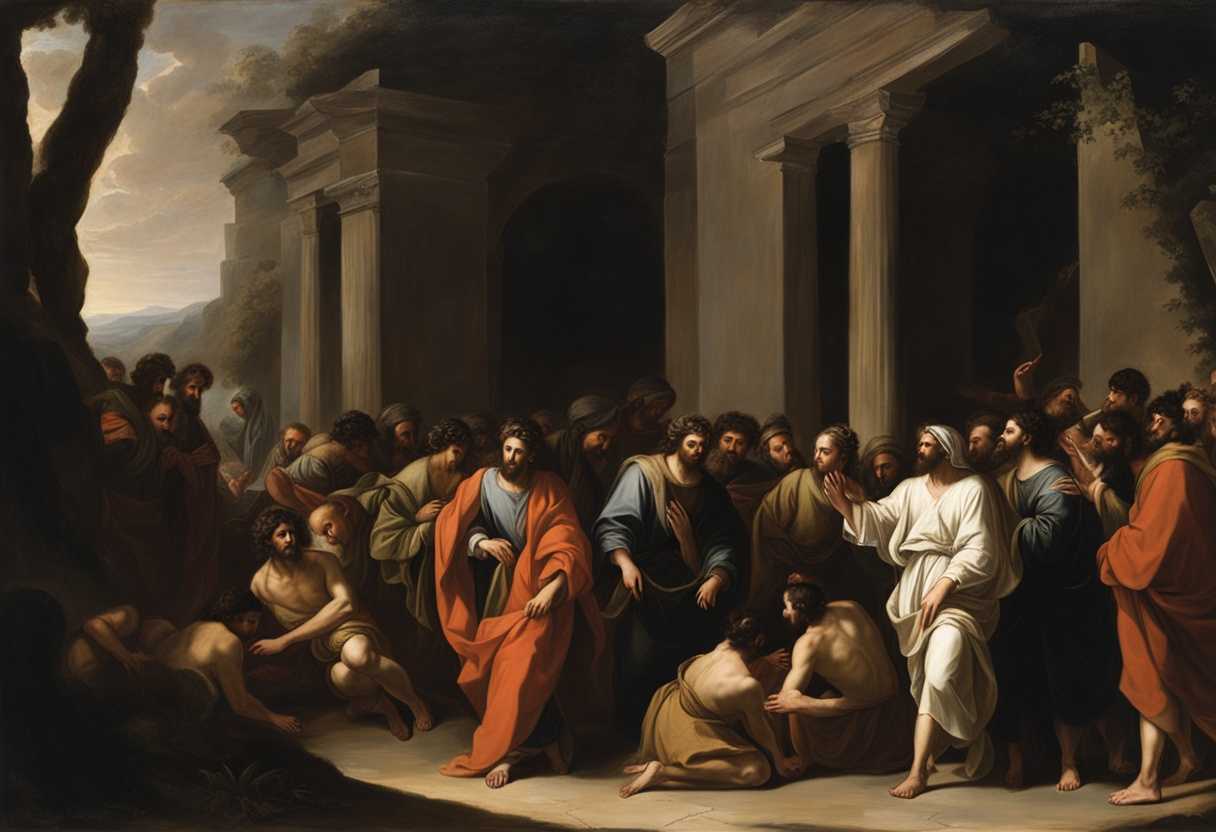
Setting the Scene for 1 Samuel 6:19-21
In 1 Samuel chapter 6, we find the scene where the Ark of the Covenant, which had been captured by the Philistines, is being returned to the Israelites. The Philistines had taken the Ark after defeating the Israelites in battle, but they soon faced troubles and plagues, leading them to return the Ark to the Israelites.
The setting is a solemn and reverent one as the Ark is being brought back on a cart pulled by two cows. The cows are lowing as they make their way back to the Israelite territory, guided by the Philistine rulers who are eager to rid themselves of the plagues that have befallen them. The Israelites are gathered around, filled with awe and anticipation as they witness the return of this sacred and powerful symbol of their faith.
As the Ark arrives, the Levites, led by Eleazar, are there to receive it. They are joined by the elders and leaders of the Israelites, who have been eagerly awaiting the return of the Ark. The scene is one of relief and joy as the Ark is finally back in the hands of its rightful owners, signaling a restoration of their faith and a renewed sense of divine presence among them.
What is 1 Samuel 6:19-21 about?
This verse highlights the concept of reverence and respect for God’s commandments and divine presence. It serves as a reminder of the power and holiness of God, as well as the consequences of disobedience or irreverence. The people of Beth Shemesh were held accountable for their actions because they disregarded God’s explicit instructions regarding the ark of the covenant. They demonstrated a lack of understanding and appreciation for the sacredness of God’s dwelling place among them by looking into the ark.
Have you ever considered the significance of obedience and reverence in your relationship with God? This verse challenges us to reflect on our own actions and attitudes towards God’s word and presence. It prompts us to contemplate how we approach and honor God in our daily lives. How can we learn from the mistake of the people of Beth Shemesh and strive to deepen our respect and obedience towards God? Let us use this verse to seek a deeper understanding of God’s holiness and to walk in obedience and reverence before Him as a humbling reminder.
Understanding what 1 Samuel 6:19-21 really means
The story in 1 Samuel 6:19-21 sheds light on the consequences of disrespecting the holiness of God. The Ark of the Covenant, a sacred symbol of God’s presence, was mishandled by the men of Beth Shemesh, leading to divine judgment. The phrase “He struck down some of the men of Beth Shemesh” underscores the severity of treating sacred objects with irreverence. It serves as a stark reminder of God’s holiness and the need for us to approach Him with utmost respect.
Looking inside the Ark, as mentioned in the passage, symbolizes a lack of reverence and understanding of God’s holiness. The rhetorical question posed, “Who is able to stand before the Lord, this holy God?” emphasizes the awe and respect due to God. This narrative echoes similar themes found in other biblical passages, such as Leviticus 10:1-3 and 2 Samuel 6:6-7, where individuals faced consequences for disregarding God’s holiness.
The relevance of this story extends to our lives today, urging us to reflect on how we approach God. In a world where sacred things are often treated casually, this passage serves as a call to return to a posture of awe and respect in our relationship with the divine. Just as mishandling a priceless family heirloom would grieve our loved ones, failing to honor God and His sanctity through irreverence disappoints Him.
Consider how we sometimes treat our faith and spiritual practices. The lesson from Beth Shemesh reminds us of the importance of humility and reverence in our interactions with God. By internalizing the message of this passage, we can cultivate a deeper connection with the divine and honor His holiness in our daily lives. Let us heed the call to approach God with awe and respect, acknowledging His supreme holiness and power.
How can we honor and respect God’s presence?
To honor and respect God’s presence, we must approach Him with reverence and awe. This involves recognizing His divine nature and power, and giving Him the respect He deserves as our Creator and Sustainer. We can do this by humbling ourselves before God, acknowledging His authority in our lives, and submitting to His will.
Additionally, we can honor and respect God’s presence by living in accordance with His commandments and teachings. This includes seeking to live a righteous and moral life, and striving to align our thoughts, words, and actions with God’s will. We show our love and reverence for God and acknowledge His importance in our lives by obeying His laws and following His guidance.
Furthermore, honoring and respecting God’s presence involves seeking to cultivate a close and intimate relationship with Him through prayer, worship, and meditation. Spending time in God’s presence can help us draw nearer to Him, deepen our faith, and experience His love and grace in our lives. We show our reverence for God and acknowledge His worthiness of our worship and devotion in this way.
Application
Reflect on God’s presence in your life. Approach Him with humility and reverence, honoring His power and holiness. Uphold His name in every part of your life and obey His commands. Will you commit to living a life that glorifies God and reflects His greatness?

Reverend Michael Johnson is an experienced Church Minister with a profound expertise in spirituality and guidance. With a serene presence and a compassionate heart, he has faithfully served his congregation for over 20 years, leading them on a spiritual journey towards inner peace and enlightenment. Reverend Johnson’s extensive knowledge of religious philosophies and profound understanding of human nature have made him a trusted confidant and mentor to many, as he seamlessly weaves his profound wisdom into life teachings. Reverend Johnson’s calming demeanor and empathetic nature continue to uplift and heal souls, nurturing a sense of unity and tranquility within his community.