
1 The ark of the Lord was in the country of the Philistines seven months.
2 And the Philistines called for the priests and the diviners and said, “What shall we do with the ark of the Lord? Tell us with what we shall send it to its place.”
3 They said, “If you send away the ark of the God of Israel, do not send it empty, but by all means return him a guilt offering. Then you will be healed, and it will be known to you why his hand does not turn away from you.”
4 Then they said, “What is the guilt offering that we shall return to him?” They answered, “Five golden tumors and five golden mice, according to the number of the lords of the Philistines, for the same plague was on all of you and on your lords.
5 So you must make images of your tumors and images of your mice that ravage the land, and give glory to the God of Israel. Perhaps he will lighten his hand from off you and your gods and your land.
6 Why should you harden your hearts as the Egyptians and Pharaoh hardened their hearts? After he had dealt severely with them, did they not send the people away, and they departed?
7 Now then, take and prepare a new cart and two milk cows on which there has never come a yoke, and yoke the cows to the cart, but take their calves home, away from them.
8 And take the ark of the Lord and place it on the cart and put in a box at its side the figures of gold, which you are returning to him as a guilt offering. Then send it off and let it go its way.
9 and watch. If it goes up on the way to its own land, to Beth-shemesh, then it is he who has done us this great harm, but if not, then we shall know that it is not his hand that struck us; it happened to us by coincidence.”
10 So the men did so, and took two milk cows and yoked them to the cart and shut up their calves at home.
11 And they put the ark of the Lord on the cart and the box with the golden mice and the images of their tumors.
12 And the cows went straight in the direction of Beth-shemesh along one highway, lowing as they went. They turned neither to the right nor to the left, and the lords of the Philistines went after them as far as the border of Beth-shemesh.
13 Now the people of Beth-shemesh were reaping their wheat harvest in the valley. And when they lifted up their eyes and saw the ark, they rejoiced to see it.
14 The cart came into the field of Joshua of Beth-shemesh and stopped there. A great stone was there. And they split up the wood of the cart and offered the cows as a burnt offering to the Lord.
15 The Levites took down the ark of the Lord and the box that was beside it, in which were the golden figures, and set them upon the great stone. And the men of Beth-shemesh offered burnt offerings and sacrificed sacrifices on that day to the Lord.
16 And when the five lords of the Philistines saw it, they returned that day to Ekron.
17 These are the golden tumors that the Philistines returned as a guilt offering to the Lord: one for Ashdod, one for Gaza, one for Ashkelon, one for Gath, one for Ekron,
18 and the golden mice, according to the number of all the cities of the Philistines belonging to the five lords, both fortified cities and unwalled villages. The great stone beside which they set down the ark of the Lord is a witness to this day in the field of Joshua of Beth-shemesh.
19 And he struck some of the men of Beth-shemesh, because they looked upon the ark of the Lord. He struck seventy men of them, and the people mourned because the Lord had struck the people with a great blow.
20 Then the men of Beth-shemesh said, “Who is able to stand before the Lord, this holy God? And to whom shall he go up away from us?”
21 And they sent messengers to the inhabitants of Kiriath-jearim, saying, “The Philistines have returned the ark of the Lord. Come down and take it up to you.”
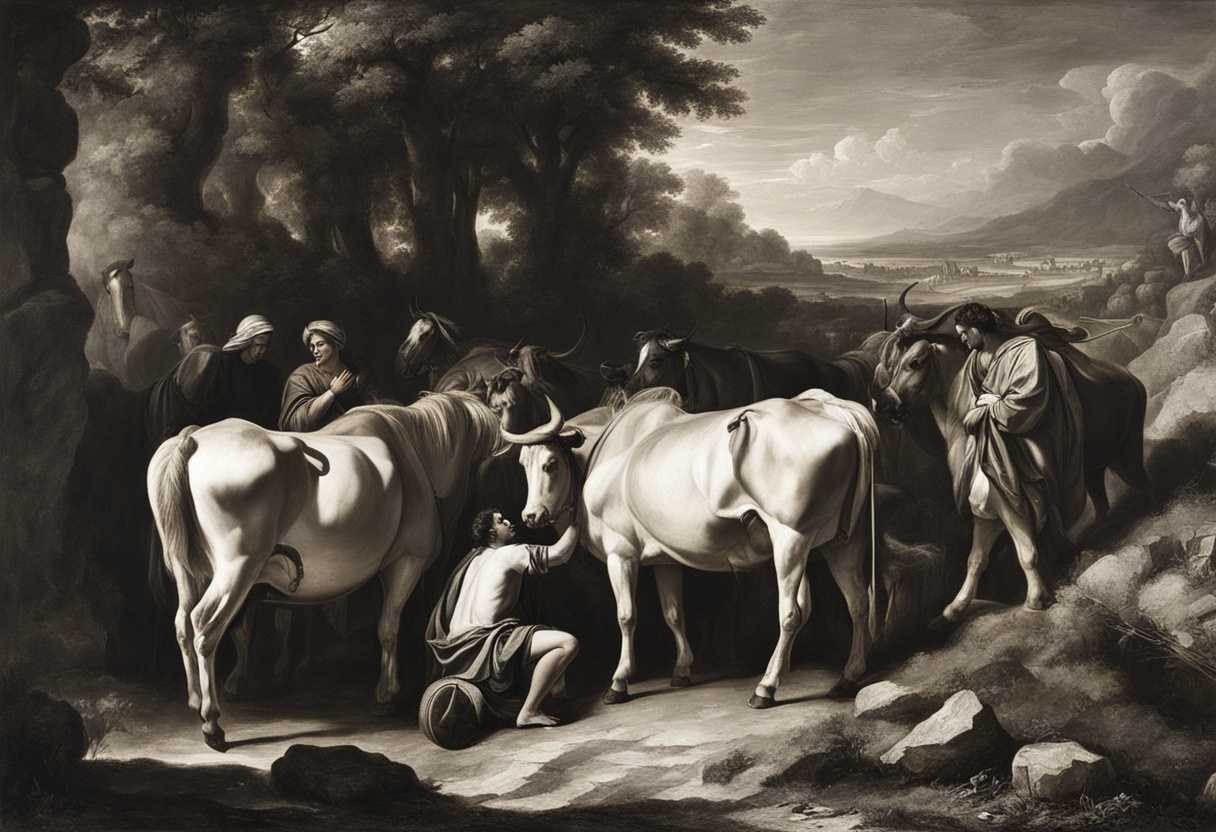
The True Meaning of 1 Samuel 6
This passage from the book of 1 Samuel provides insight into a pivotal moment in the history of the Israelites. The author, believed to be the prophet Samuel himself, recounts the events surrounding the return of the Ark of the Covenant to the people of Israel.
The Ark, a sacred object representing God’s presence, had been captured by the Philistines in a previous battle. Now, after experiencing a series of misfortunes, the Philistines decide to return the Ark to the Israelites. This chapter highlights the importance of the Ark and the reverence the people held for it, as well as the consequences of disrespecting God’s holy presence. As we delve into this passage, we will witness the Philistines’ attempts to appease the Israelite God, the divine judgment that befalls those who treat the Ark with irreverence, and the eventual restoration of the Ark to its rightful place among the people. These events foreshadow the ongoing struggle between the Israelites and their enemies, as well as the importance of maintaining a right relationship with the Almighty.
1 Samuel 6:1-6
The Philistines captured the Ark of the Covenant in 1 Samuel 6:1-6, leading to subsequent calamities that befell them. The Philistines, recognizing the plagues that struck them were a result of seizing the Ark, sought advice on how to remedy the situation. The Ark was a sacred symbol of God’s presence among the Israelites, and its capture by the Philistines was a significant event.
The Philistine priests and diviners advised returning the Ark to the Israelites with an offering to appease the wrath of the God of Israel. They suggested sending a guilt offering of golden replicas of the tumors and rats that afflicted them. This demonstrates a recognition, even by the enemies of Israel, of the power and authority of the God of the Israelites. It also shows the consequences of disrespecting sacred objects and inviting the wrath of God.
This passage highlights the importance of repentance, restitution, and seeking forgiveness when we have wronged others or acted against God’s will. The Philistines took proactive steps to make amends for their actions, showing an acknowledgment of their wrongdoing and a desire to rectify the situation. It serves as a lesson for us to take responsibility for our actions and seek reconciliation with both God and our fellow man when we have erred.
The narrative of the Ark being returned by the Philistines sets the stage for God’s power and sovereignty to be reaffirmed. The manner in which the Philistines deal with the consequences of their actions reflects themes of obedience, humility, and the fear of the Lord which are prevalent throughout the Bible. This event serves as a reminder that God’s ways are higher than our ways, and His authority and holiness are to be revered and respected. The Ark of the Covenant is a central symbol of God’s presence and covenant with His people in the broader context of the Bible. The Ark represented God’s dwelling among the Israelites and was a tangible reminder of His faithfulness and promises. Its capture by the Philistines and subsequent return underscore the themes of God’s sovereignty, protection of His people, and the consequences of disobedience. This event foreshadows the ultimate reconciliation and restoration that would come through Jesus Christ, who would make amends for our sins and bridge the gap between a holy God and fallen humanity.
1 Samuel 6:7-12
The Philistines attempt to return the Ark of the Covenant back to the Israelites in 1 Samuel 6:7-12, a crucial part of the story following disasters and plagues upon their cities. The Philistine priests and diviners advised the rulers of the Philistines to send back the Ark with an offering to the God of Israel in hopes of appeasing Him and ending the calamities that had befallen them. This episode demonstrates a recognition, even by the Philistines, of the power and authority of the God of Israel.
The Philistines crafted golden replicas of the tumors and rats that had afflicted them, signifying their acknowledgment of the punishment they had received and their desire for reconciliation with the Israelite God. Their acknowledgment of their wrongdoing and attempt at making amends is a powerful lesson on repentance and seeking forgiveness. It illustrates the principle that humility and repentance can lead to reconciliation and restoration.
The choice of golden replicas as an offering is interesting because it reflects the Philistine’s acknowledgment of the supernatural aspects of the plagues they had experienced. They acknowledged that these afflictions were not merely natural disasters but signs of divine intervention and judgment by creating golden representations of the tumors and rats. This underscores the biblical theme of God’s supremacy over all earthly powers and His ability to bring about divine judgment.
The decision to return the Ark with an offering also highlights the importance of understanding and respecting the sacred objects and symbols in the worship of God. The Ark of the Covenant was not to be taken lightly or treated as a mere object; its significance went far beyond its physical form. This event serves as a reminder of the reverence and awe that is due to God and His appointed means of worship.
This passage also underscores the idea that God’s ways are not our ways, and His plans often involve unexpected twists and turns. The Philistines, in their attempt to rid themselves of the Ark, unwittingly became part of God’s plan to glorify Himself and demonstrate His power. This aligns with the biblical principle found in Proverbs 19:21 that says, “Many are the plans in a person’s heart, but it is the Lord’s purpose that prevails. This section in 1 Samuel 6 sheds light on the themes of repentance, reconciliation, divine judgment, reverence for God, and the sovereignty of His plans. It serves as a reminder that no one can stand against the Almighty God, and that ultimately, all will bow before Him.
1 Samuel 6:13-18
The Philistines return the ark of the Lord to the Israelites in 1 Samuel 6:13-18 after capturing it. This event holds profound significance in the context of the Bible and the spiritual lessons it imparts. The people of Beth-shemesh were reapers in the wheat harvest when they lifted up their eyes and saw the ark. Upon seeing it, they rejoiced, for the return of the ark was a momentous occasion. The ark symbolized the presence and power of God among His chosen people, and its safe return signified God’s faithfulness and protection over His covenant with Israel.
However, tragedy struck as some of the men of Beth-shemesh looked upon the ark, a clear violation of God’s command. The men were struck dead by the Lord for their irreverence, demonstrating the holiness of God and the consequences of disobedience. This serves as a sobering reminder that we must approach God with reverence and awe, acknowledging His holiness and supremacy. It also underscores the importance of obeying God’s commands and respecting His sacred objects and spaces.
The people of Beth-shemesh were filled with fear and exclaimed, “Who is able to stand before this holy Lord God?” This response reflects their realization of the majesty and power of God, leading them to recognize their own unworthiness and sinfulness. This moment of awe and fear underscores the need for humility before God and the recognition of His sovereignty over all creation. It echoes themes found throughout the Bible, emphasizing the importance of repentance, reverence, and obedience in our relationship with God.
The inhabitants of Beth-shemesh understood that they could not keep the ark in their midst due to the severity of the consequences faced by those who had disrespected it. They sent messengers to Kirjath Jearim to take the ark away, showing their recognition of the need for separation from the holiness of God. This act highlights the purity and separation required in approaching God, as seen in other parts of the Bible where God’s people are instructed to sanctify themselves before coming into His presence. This passage from 1 Samuel 6 serves as a powerful reminder of God’s holiness, power, and faithfulness. It teaches us about the importance of reverence, obedience, and humility in our relationship with God. Through the actions of the people of Beth-shemesh and the consequences they faced, we are reminded of the need to approach God with respect and honor, recognizing His authority over our lives. The story of the ark’s return also points to God’s faithfulness in fulfilling His promises and protecting His people, showcasing His covenant love and mercy throughout history.
1 Samuel 6:19-21
The verses in 1 Samuel 6:19-21 narrate a solemn event that occurred after the return of the Ark of the Covenant to the Israelites. The verses read, “But God struck down some of the inhabitants of Beth Shemesh, putting seventy of them to death because they looked into the ark of the Lord. The people mourned because of the heavy blow the Lord had dealt them. And the people of Beth Shemesh asked, ‘Who can stand in the presence of the Lord, this holy God? To whom will the ark go up from here?’ Then they sent messengers to the people of Kiriath Jearim, saying, ‘The Philistines have returned the ark of the Lord. Come down and take it up to your town.’”
The consequences the people of Beth Shemesh faced for looking into the Ark of the Covenant were severe. Seventy of them were struck down by God for their irreverence and disobedience. This serves as a reminder of the holiness of God and the importance of obedience to His commands. The people of Beth Shemesh understood the gravity of their actions and expressed their fear and reverence for the Lord by acknowledging His holiness and their unworthiness.
The people’s question, “Who can stand in the presence of the Lord, this holy God?” reflects a common theme throughout the Bible – the awe-inspiring holiness of God and the need for humanity to approach Him with humility and reverence. This concept is seen in other parts of Scripture, such as when Isaiah sees a vision of God in Isaiah 6:5 and declares, “Woe to me!… I am ruined! For I am a man of unclean lips, and I live among a people of unclean lips, and my eyes have seen the King, the Lord Almighty.”
The people’s decision to send the Ark of the Covenant to Kiriath Jearim demonstrates their desire to ensure it was treated with the respect it deserved. Kiriath Jearim was a town belonging to the tribe of Judah, and it became the temporary dwelling place of the Ark until King David later brought it to Jerusalem. This event reinforces the idea that God’s holiness should be approached with reverence and careful obedience, as shown by the people’s actions in handling the Ark with respect and passing it on to a place where it would be honored. A powerful lesson about the holiness of God and the importance of reverent obedience is found in these verses. The consequences of disobedience, as seen in the punishment of the people of Beth Shemesh, highlight the need for humility and respect in our relationship with God. It serves as a reminder that God is holy and worthy of our utmost reverence and obedience.
After 1 Samuel 6
The Philistines had finally returned the Ark of the Covenant to the Israelites, but their troubles were far from over. The people of Beth-shemesh, where the Ark had been placed, did not treat it with the reverence it deserved. Many were struck down by the Lord for their disrespect. This was a sobering reminder that the Ark was no mere object, but a symbol of God’s presence and power. The Israelites knew they must tread carefully in the days ahead as they grappled with this lesson. For the Lord’s judgment had been swift and severe, and they could not afford to make the same mistakes again.

Reverend Michael Johnson is an experienced Church Minister with a profound expertise in spirituality and guidance. With a serene presence and a compassionate heart, he has faithfully served his congregation for over 20 years, leading them on a spiritual journey towards inner peace and enlightenment. Reverend Johnson’s extensive knowledge of religious philosophies and profound understanding of human nature have made him a trusted confidant and mentor to many, as he seamlessly weaves his profound wisdom into life teachings. Reverend Johnson’s calming demeanor and empathetic nature continue to uplift and heal souls, nurturing a sense of unity and tranquility within his community.