
13 In the eighteenth year of King Jeroboam, Abijah began to reign over Judah.
13 He reigned three years in Jerusalem. His mother’s name was Micaiah the daughter of Uriel of Gibeah. And there was war between Abijah and Jeroboam.
3 Abijah went out to battle, having an army of valiant men of war, 400,000 chosen men. Jeroboam drew up his line of battle against him with 800,000 chosen mighty warriors.
4 Abijah stood up on Mount Zemaraim, that is in the hill country of Ephraim, and said, “Hear me, O Jeroboam and all Israel!
5 Ought you not to know that the Lord God of Israel gave the kingship over Israel forever to David and his sons by a covenant of salt?
6 Yet Jeroboam the son of Nebat, a servant of Solomon the son of David, rose up and rebelled against his lord,
7 And certain worthless scoundrels gathered about him and defied Rehoboam the son of Solomon, when Rehoboam was young and irresolute and could not withstand them.
8 “And now you think to withstand the kingdom of the Lord in the hand of the sons of David, because you are a great multitude and have with you the golden calves that Jeroboam made for you as gods.”
9 Have you not driven out the priests of the Lord, the sons of Aaron, and the Levites, and made priests for yourselves like the peoples of other lands? Whoever comes for ordination with a young bull or seven rams becomes a priest of what are not gods.
10 But as for us, the Lord is our God, and we have not forsaken him. We have priests ministering to the Lord who are sons of Aaron, and Levites for their service.
11 They offer to the Lord every morning and every evening burnt offerings and incense of sweet spices, set out the showbread on the table of pure gold, and care for the golden lampstand that its lamps may burn every evening. For we keep the charge of the Lord our God, but you have forsaken him.
12 Behold, God is with us at our head, and his priests with their battle trumpets to sound the call to battle against you. O sons of Israel, do not fight against the Lord, the God of your fathers, for you cannot succeed.”
13 But Jeroboam had sent an ambush around to come upon them from behind, so his troops were in front of Judah, and the ambush was behind them.
14 And when Judah looked, behold, the battle was in front of and behind them. And they cried to the Lord, and the priests blew the trumpets.
15 So the men of Judah shouted, and as the men of Judah shouted, God defeated Jeroboam and all Israel before Abijah and Judah.
16 The men of Judah raised the battle shout. And when the men of Judah shouted, God defeated Jeroboam and all Israel before Abijah and Judah.
17 Abijah and his people struck them with great force, so there fell slain of Israel five hundred thousand chosen men.
18 Thus the men of Israel were subdued at that time, and the men of Judah prevailed, because they relied on the Lord, the God of their fathers.
19 And Abijah pursued Jeroboam and took cities from him, Bethel with its villages and Jeshanah with its villages.
20 So Jeroboam did not recover his power in the days of Abijah. And the Lord struck him down, and he died.
21 But Abijah grew mighty. And he took fourteen wives and had twenty-two sons and sixteen daughters.
22 The rest of the acts of Abijah, his ways and his sayings, are written in the story of the prophet Iddo.
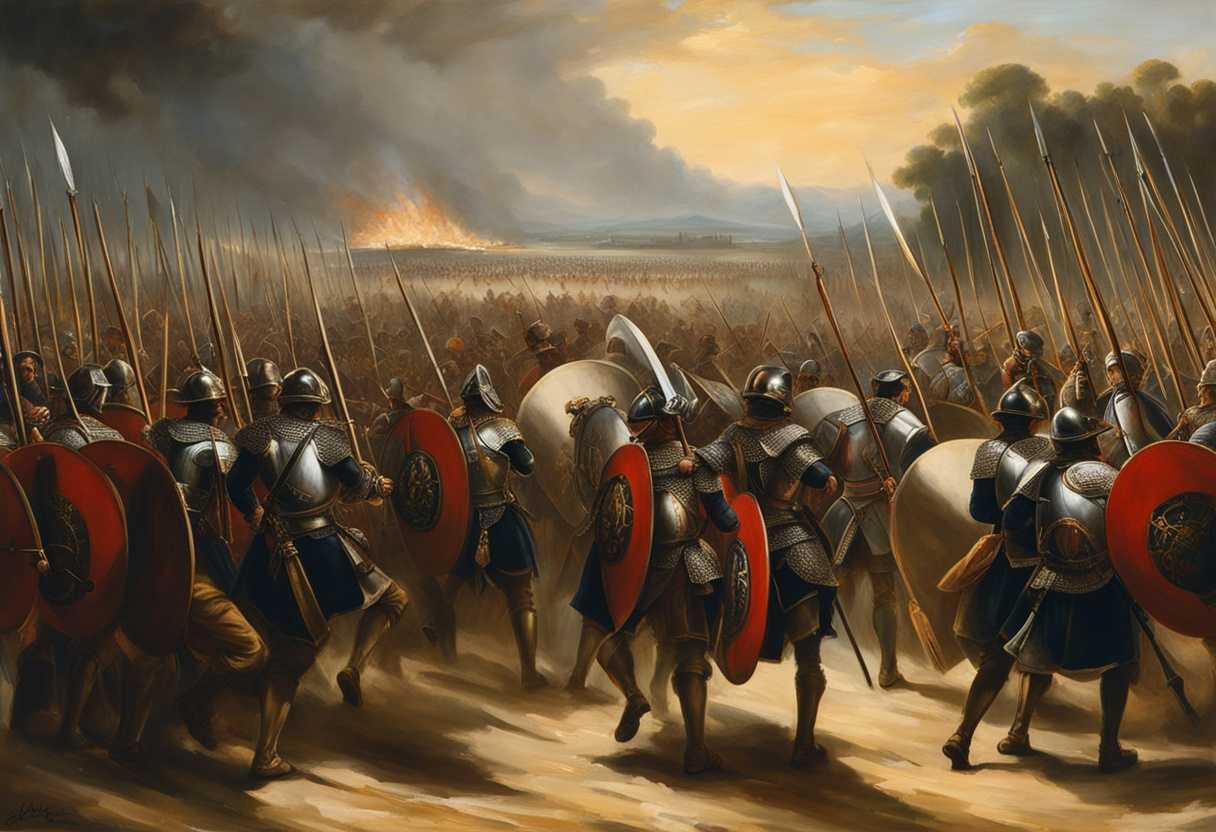
The True Meaning of 2 Chronicles 13
The Book of 2 Chronicles was written by an unknown author, likely a Levite priest or scribe, who compiled historical accounts of the kingdom of Judah after the reign of King David. This chapter focuses on the conflict between the northern kingdom of Israel and the southern kingdom of Judah, as the new king Abijah of Judah confronts the Israelite king Jeroboam. Each side claims divine favor and the right to rule over the united tribes of Israel in this passage, showing the ongoing division between the two kingdoms. Abijah makes a bold declaration, reminding Jeroboam and his army of the covenant God made with David’s dynasty. However, the chapter also foreshadows the eventual downfall of Judah, as Abijah’s reign is marked by his own moral failings and the continued tension between the northern and southern kingdoms.
The events described in 2 Chronicles 13 echo the earlier division of the kingdom after the reign of Solomon, as recorded in 1 Kings 12. The author draws connections to God’s promises to David and the ongoing struggle for power and legitimacy between the rival kingdoms. This chapter sets the stage for the eventual decline of both Israel and Judah, as they turn away from the Lord and face the consequences of their actions.
2 Chronicles 13:1-3
The passage in 2 Chronicles 13:1-3 introduces us to Abijah, the son of King Rehoboam of Judah. Abijah ruled as king over Judah for a brief period after the kingdom was divided following the reign of King Solomon. It is essential to understand the context of this passage in the broader narrative of the divided kingdom of Israel and Judah.
Abijah’s reign marked a critical point in the history of Israel, particularly in the ongoing conflict and tensions between the kingdoms of Judah and Israel. Abijah stood against Jeroboam, the king of Israel, who had led the ten northern tribes in rebellion against the house of David and established the separate kingdom of Israel.
Abijah’s speech in verses 4-12 is a powerful declaration of Judah’s allegiance to the Lord and the Davidic covenant. He accuses Jeroboam and the people of Israel of forsaking the commandments of the Lord and appointing golden calves as gods. Through his speech, Abijah sought to remind the people of Israel of their covenant with God and the importance of remaining faithful to Him.
This passage serves as a reminder of the consequences of turning away from God and breaking the covenant. Abijah’s speech underscores the significance of faithfulness and obedience to God’s commandments, highlighting the inevitable punishment that comes with disobedience. It also emphasizes the enduring nature of God’s promises and the importance of upholding one’s commitments to Him.
Additionally, Abijah’s appeal to the historical relationship between Judah and the Lord, invoking the name of David and the establishment of Jerusalem as the holy city, reinforces the continuity of God’s plan throughout generations. This continuity is a central theme in the Bible, demonstrating God’s faithfulness to His people despite their failings and the changing political landscapes. 2 Chronicles 13:1-3 sets the stage for a significant confrontation between the kingdoms of Judah and Israel, highlighting the themes of covenant, faithfulness, and the consequences of disobedience. It serves as a poignant reminder for believers to remain steadfast in their commitment to God and His commandments, even in the face of opposition and challenges.
2 Chronicles 13:4-7
King Abijah addresses Jeroboam, the king of Israel, before the two kingdoms engage in battle in 2 Chronicles 13:4-7. Abijah begins by highlighting Judah’s loyalty to the house of David, emphasizing their adherence to the line of succession chosen by God. This reference to the covenant made with David is significant as it underscores the importance of faithfulness to God’s chosen leaders and the divine order established in the scriptures. Abijah’s mention of the covenant with David is a reminder of God’s faithfulness to His promises and how obedience to His appointed leaders is integral to maintaining that covenant.
Furthermore, Abijah accuses Jeroboam and the kingdom of Israel of rebellion against the Lord by worshiping golden calves, which were idols set up by Jeroboam for the people to worship, contrary to God’s commandments. This accusation serves as a rebuke to Israel for turning away from the true worship of the Lord and falling into idolatry. The theme of idolatry and its consequences is a prevalent one throughout the Bible, emphasizing the importance of worshiping the one true God and the dangers of placing anything above Him.
Abijah also points out that the Levitical priests and the sons of Aaron are with Judah, indicating their support for the rightful line of priests and their allegiance to the true worship of God according to the Mosaic Law. This shows the importance of having spiritual authorities aligned with God’s commands and the significance of upholding the principles of the Law in maintaining a relationship with God. The presence of the Levitical priests and the sons of Aaron on Judah’s side highlights the importance of having the right spiritual guidance and leadership in times of conflict and adversity. This passage from 2 Chronicles 13:4-7 conveys a timeless message about the importance of remaining faithful to God’s covenant, avoiding idolatry, and aligning oneself with the true worship of God as outlined in His commandments. It serves as a reminder of the consequences of straying from God’s ways and the significance of upholding the principles of the faith even in the face of opposition. The narrative of the confrontation between Judah and Israel underlines the consequences of deviating from God’s commands and the importance of remaining steadfast in one’s faith and obedience to Him.
2 Chronicles 13:8-12
King Abijah of Judah addresses Jeroboam, the king of Israel, before a battle in 2 Chronicles 13:8-12. Abijah accuses Jeroboam and his people of rebelling against the descendants of David, God’s chosen line of kings for Judah. Abijah asserts that Jeroboam and his followers are mere impostors, while the people of Judah have remained loyal to the Lord.
This section highlights the importance of loyalty and faithfulness to God’s chosen leaders and the established order. King Abijah’s speech reflects the belief in the divine right of the Davidic kings, tracing back to God’s covenant with David in 2 Samuel 7:12-16, where God promises an everlasting dynasty to David’s descendants. Abijah portrays Jeroboam as a usurper and a threat to the true worship of God by emphasizing the significance of the Davidic line.
The confrontation between Abijah and Jeroboam also underscores the theme of division within the nation of Israel. After the reign of King Solomon, the kingdom of Israel split into two separate entities: the northern kingdom of Israel, led by Jeroboam, and the southern kingdom of Judah, under the rule of the descendants of David. This division was a consequence of Solomon’s disobedience to God (1 Kings 11:11-13) and ultimately led to conflict and strife between the two kingdoms.
Furthermore, this passage highlights the ongoing struggle between the worship of the true God and idolatry. Jeroboam had established golden calves for Israel to worship, leading the people away from the proper worship of the Lord in Jerusalem. Abijah’s condemnation of Jeroboam’s false worship serves as a reminder of the dangers of idolatry and the importance of remaining faithful to the one true God. 2 Chronicles 13:8-12 presents a narrative of political and religious confrontation between the kingdoms of Judah and Israel, illustrating themes of loyalty to God-appointed leaders, the consequences of division, and the ongoing battle against idolatry. The passage not only provides historical context but also conveys timeless messages about the significance of faithfulness, obedience to God, and the consequences of straying from His commands.
2 Chronicles 13:13-18
Abijah, leading the Kingdom of Judah, and Jeroboam, leading the Kingdom of Israel, culminated a significant conflict in 2 Chronicles 13:13-18. The stage is set for a monumental battle between these two forces, where Abijah addresses Jeroboam with a righteous fervor, highlighting the faithfulness of Judah to God and accusing Israel of turning away from Him by replacing the Levitical priests with anyone who wanted to be priests. Abijah emphasizes the importance of the Davidic covenant in this section, asserting that Jerusalem, where the temple of the Lord is located, is the chosen city of God where sacrifices are to be made by the priests. He points out that the Kingdom of Israel is in rebellion against God by worshipping golden calves, which were symbols of idolatry. Abijah’s speech is a powerful reminder of the consequences of forsaking the true worship of God and the importance of adhering to His commandments.
The conflict between Judah and Israel reflects a recurring theme in the Bible: the struggle between those who remain faithful to God and those who turn away from Him to pursue idols or their own desires. Throughout the Bible, we see examples of how God rewards faithfulness and punishes disobedience. This account serves as a cautionary tale about the dangers of straying from the path of righteousness and the significance of upholding the covenant with God. Abijah and the men of Judah cry out to God for help as the battle unfolds. Despite being outnumbered, they trust in the Lord to deliver them from their enemies. This demonstrates the power of prayer and reliance on God in times of distress. The outcome of the battle is a testament to God’s faithfulness to His people when they put their trust in Him. Jeroboam and the Israelites are depicted as arrogant and rebellious, relying on their own strength rather than seeking God’s guidance. Their defeat at the hands of Judah serves as a stark reminder of the consequences of pride and disobedience. It underscores the biblical truth that God opposes the proud but gives grace to the humble (James 4:6). The narrative in 2 Chronicles 13:13-18 underscores the enduring message of the importance of faithfulness to God, the dangers of idolatry and disobedience, and the power of prayer and trust in God. It serves as a timeless lesson for believers to remain steadfast in their faith, seek God’s guidance in all things, and trust in His deliverance in times of trouble.
2 Chronicles 13:19-22
Abijah pursued Jeroboam and captured several towns from him, including Bethel with its surrounding towns, Jeshanah with its surrounding towns, and Ephron with its surrounding towns. Jeroboam did not regain power during the time of Abijah. And the Lord struck him down and he died. But Abijah grew in strength. He married fourteen wives and had twenty-two sons and sixteen daughters. Abijah, the king of Judah, continues to conflict with Jeroboam, the king of Israel, in this section. After a decisive victory over Jeroboam, Abijah pursued him and seized several significant towns, including Bethel, Jeshanah, and Ephron, weakening Jeroboam’s grip on the region. This event showcases the military prowess and success of Abijah, demonstrating that God was with him in his efforts to maintain the authority of the house of David.
The mention of Jeroboam’s failed attempt to regain power during Abijah’s reign highlights the divine intervention that favored Judah over Israel. The Bible often emphasizes the significance of God’s support in the outcomes of battles and conflicts, underscoring the theme that those who align themselves with God’s will are more likely to succeed. This echoes other instances in the Bible where God intervenes in the affairs of nations and individuals to fulfill His purposes, such as the story of the Israelites’ exodus from Egypt or the victories of Joshua in battle.
The swift and definitive end of Jeroboam’s life, with the Lord striking him down, serves as a stark reminder of the consequences of disobedience and rebellion against God. Jeroboam’s death is a direct result of his sinful actions and his leading of Israel into idolatry, as previously mentioned in the earlier verses of 2 Chronicles 13. This serves as a cautionary tale in the Bible, reinforcing the idea that God judges those who act contrary to His commandments, a recurring theme throughout the Old Testament.
On the other hand, Abijah’s increasing strength and his prolific family life, with multiple wives and numerous offspring, may symbolize God’s blessings on him. Many people in ancient times saw having many sons as a sign of prosperity and power because they would continue the family line and offer protection and support. Abijah’s marital and familial situation may serve to contrast his righteousness and favor in the eyes of God with Jeroboam’s downfall and ultimate demise due to his disobedience.
This section of 2 Chronicles 13 illustrates the consequences of faithfulness and obedience to God, as exemplified by Abijah, and the downfall of those who deviate from His will, like Jeroboam. It reinforces the Biblical themes of divine intervention in human affairs, the importance of upholding God’s commandments, and the repercussions of straying from His path. Readers are encouraged to align their lives with God’s purposes and trust in His wisdom and sovereignty as they reflect on these events, knowing that He ultimately determines the outcomes of all things.
After 2 Chronicles 13
The battle raged on, with both sides fighting fiercely. Abijah’s army had the upper hand, but Jeroboam’s forces were not to be underestimated. Jeroboam’s men found themselves in retreat as the sun began to set and the tide turned. Abijah’s victory was decisive, and he solidified his hold on the kingdom of Judah.
Yet, even in the midst of this triumph, a shadow loomed. For Abijah’s reign was not without its own challenges and controversies. The new king navigated the complexities of his rule and the consequences that would unfold as a result as we turned the page to the next chapter.

Reverend Michael Johnson is an experienced Church Minister with a profound expertise in spirituality and guidance. With a serene presence and a compassionate heart, he has faithfully served his congregation for over 20 years, leading them on a spiritual journey towards inner peace and enlightenment. Reverend Johnson’s extensive knowledge of religious philosophies and profound understanding of human nature have made him a trusted confidant and mentor to many, as he seamlessly weaves his profound wisdom into life teachings. Reverend Johnson’s calming demeanor and empathetic nature continue to uplift and heal souls, nurturing a sense of unity and tranquility within his community.