
2 Kings 10:15-17 is about Jehu summoning all the prophets of Baal to a great assembly where he deceitfully slaughtered them all, serving as a reflection of God’s judgment against idolatry and revealing the consequences of worshiping false gods.
15 And when he departed from there, he met Jehonadab the son of Rechab coming to meet him. And he greeted him and said to him, “Is your heart true to my heart as mine is to yours?” And Jehonadab answered, “It is.” Jehu said, “If it is, give me your hand.” So he gave him his hand. And Jehu took him up with him into the chariot.
16 And he said, “Come with me, and see my zeal for the Lord.” So he had him ride in his chariot.
17 And when he came to Samaria, he struck down all who remained to Ahab in Samaria, till he had wiped them out, according to the word of the Lord that he spoke to Elijah.
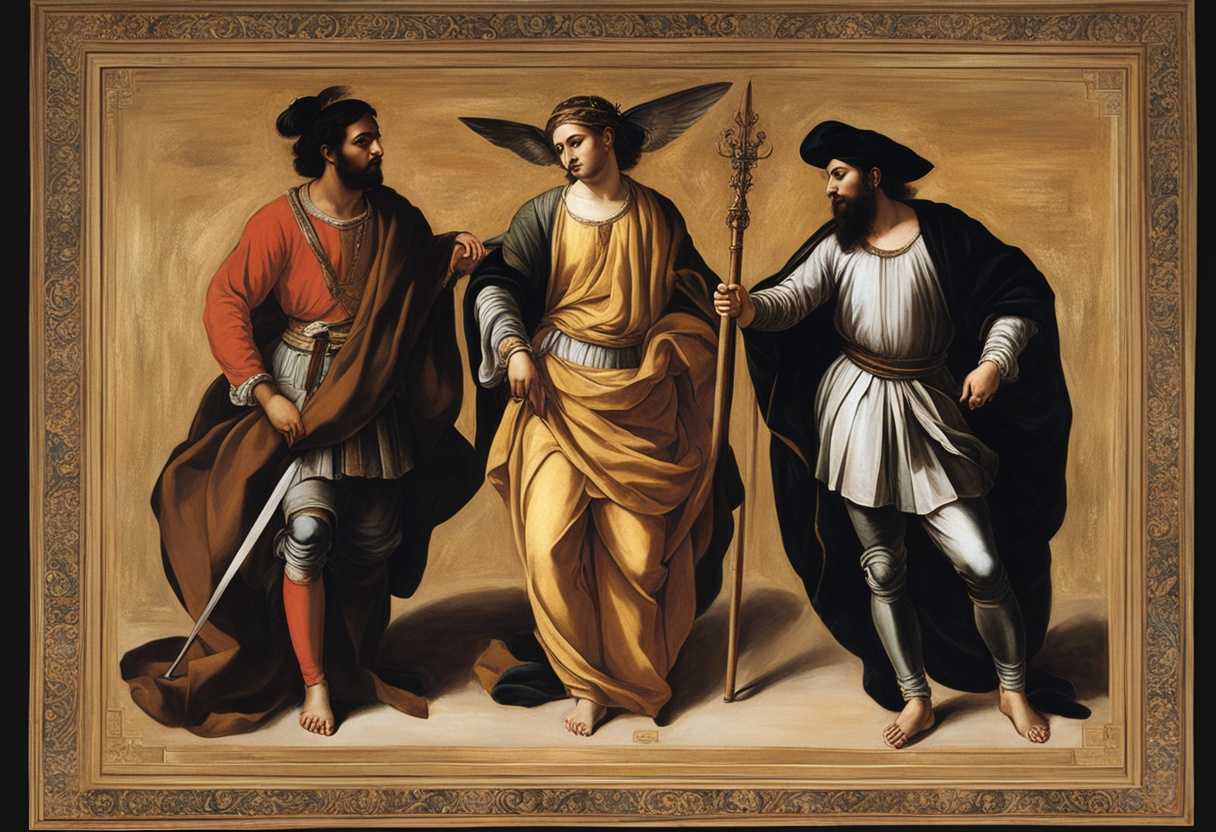
Setting the Scene for 2 Kings 10:15-17
In 2 Kings chapter 10, we find ourselves in the city of Samaria, the capital of the northern kingdom of Israel. The scene unfolds in the royal palace, where King Jehu has summoned all the officials and supporters of the former king, Ahab, under the guise of a great sacrifice to Baal. Among those present are Jehonadab, the son of Rechab, who had allied himself with Jehu in his mission to eradicate the worship of Baal from the land.
The room is filled with tension as Jehu reveals his true intentions to the gathered crowd. He cunningly orders his men to search and kill all the priests and followers of Baal, ensuring that not a single one is left alive. Jehonadab, who had supported Jehu in this purge, watches on with a mix of approval and concern at the ruthless execution of the Baal worshippers. The air is thick with the smell of incense and the sounds of chaos as the massacre unfolds, marking a pivotal moment in the religious and political history of Israel.
As the dust settles and the cries of the slain fade away, Jehu stands victorious, having carried out his mission to rid the land of the idolatry that had plagued Israel for so long. Jehonadab, a witness to the bloody events that transpired, contemplates the cost of such a decisive action and the implications it will have for the future of the kingdom under Jehu’s rule. The palace walls bear witness to the dramatic turn of events that have unfolded within its confines, forever changing the course of Israel’s history.
What is 2 Kings 10:15-17 about?
Jehu, the king of Israel, takes decisive action against the worshipers of Baal, a false god, by executing them in this verse. Jehu is carrying out God’s judgment on idolatry, which had been rampant in Israel. This action demonstrates the seriousness of turning away from the true God and worshiping false gods. It also shows the importance of following God’s commands and upholding His laws.
Think about the significance of Jehu’s actions. What do they reveal about the consequences of forsaking God and engaging in idolatry? Consider how this story challenges us to examine our own lives and the things we may be prioritizing over our faith. How can we ensure that we remain steadfast in our commitment to God and avoid the traps of idolatry that can lead us away from Him? Let this verse serve as a reminder of the importance of staying true to our faith and worshiping the one true God.
Understanding what 2 Kings 10:15-17 really means
In the narrative of Jehu in 2 Kings 10:15-17, we witness a pivotal moment where Jehu encounters Jehonadab, the son of Rechab. This meeting is not merely coincidental but holds significant symbolic weight in the context of God’s judgment against the house of Ahab and the eradication of Baal worship. Jehu’s inquiry to Jehonadab, “Is your heart right, as my heart is with your heart?” underscores the essence of unity and shared conviction in carrying out God’s will. It prompts us to reflect on the importance of seeking alignment with like-minded individuals in our own faith journeys.
The phrase “Give me your hand” serves as a tangible representation of the covenant they are entering into, sealing their mutual commitment to the task at hand. This act of joining hands signifies not only a physical connection but also a spiritual agreement to work together in fulfilling God’s commands. It reminds us of the power of solidarity and collaboration in advancing God’s kingdom on earth.
Jehu’s invitation to Jehonadab to witness his zeal for the Lord highlights the significance of passion and fervor in serving God wholeheartedly. This call to zeal resonates with Romans 12:11, urging believers to maintain spiritual fervor and never be lacking in zeal in their service to the Lord. It challenges us to evaluate our own level of dedication and enthusiasm in living out our faith daily.
The relevance of these verses extends to contemporary believers as we navigate our faith journeys. Just as Jehu and Jehonadab formed a righteous alliance based on shared values and goals, we are encouraged to seek partnerships with like-minded individuals who can strengthen our efforts in fulfilling God’s purposes. This underscores the importance of surrounding ourselves with individuals who support and challenge us in our walk with God.
Consider a scenario where two leaders, initially working independently on a community project, discover their shared vision for helping the homeless. By uniting their resources and efforts, they amplify their impact, providing better support and services to those in need. This anecdote mirrors Jehu and Jehonadab’s collaboration, illustrating how unity and shared purpose can enhance our effectiveness in serving others and advancing God’s kingdom.
In conclusion, 2 Kings 10:15-17 serves as a poignant reminder of the power of unity, the necessity of zeal, and the value of forming righteous alliances in our Christian walk. By aligning our hearts with those who share our commitment to God’s purposes, we can achieve greater impact and more effectively serve His kingdom. Let us seek out like-minded individuals, cultivate our zeal for the Lord, and forge partnerships that strengthen our collective efforts in living out our faith authentically.
How can we discern who truly serves God?
Jehu sets a trap to discern who truly serves God among the worshipers of Baal in these verses. He calls for a solemn assembly for all the worshipers of Baal to gather together in one place. He is able to separate those who are truly loyal to God from those who are not by doing so. This act reveals the true intentions and allegiance of each individual. We can discern who truly serves God by observing their actions and choices. Those who consistently align their lives with the teachings and principles of God demonstrate their true devotion. We can also identify those who serve God wholeheartedly by examining the fruit of their lives, just as Jehu distinguished between the worshipers of Baal and the worshipers of God. True service to God will be evident in the way a person lives, loves, and serves others. Those who serve God wholeheartedly will ultimately be recognized by their unwavering commitment to God, their obedience to His commands, and their love for others. Their faith will be demonstrated not just in words, but in actions that glorify God and reflect His character. We can discern who truly serves God among us by following the example set in these verses.
Application
Just as Jehu acted decisively in carrying out God’s will, let’s be bold and purposeful in our actions. Let’s not hesitate but move forward with faith and determination. Will you also heed God’s call with unwavering resolve?

Reverend Michael Johnson is an experienced Church Minister with a profound expertise in spirituality and guidance. With a serene presence and a compassionate heart, he has faithfully served his congregation for over 20 years, leading them on a spiritual journey towards inner peace and enlightenment. Reverend Johnson’s extensive knowledge of religious philosophies and profound understanding of human nature have made him a trusted confidant and mentor to many, as he seamlessly weaves his profound wisdom into life teachings. Reverend Johnson’s calming demeanor and empathetic nature continue to uplift and heal souls, nurturing a sense of unity and tranquility within his community.