
Acts 19:11-20 is about the widespread impact of the gospel in Ephesus, demonstrating the power and authority of Jesus through miracles and the realization by the people of the importance of repentance and turning away from their former practices of magic and idolatry.
11 And God was doing extraordinary miracles by the hands of Paul,
12 so that even handkerchiefs or aprons that had touched his skin were carried away to the sick, and their diseases left them and the evil spirits came out of them.
13 Then some of the itinerant Jewish exorcists undertook to invoke the name of the Lord Jesus over those who had evil spirits, saying, “I adjure you by the Jesus whom Paul proclaims.”
14 Seven sons of a Jewish high priest named Sceva were doing this.
15 But the evil spirit answered them, “Jesus I know, and Paul I recognize, but who are you?”
16 And the man in whom was the evil spirit leaped on them, mastered all of them and overpowered them, so that they fled out of that house naked and wounded.
17 And this became known to all the residents of Ephesus, both Jews and Greeks. And fear fell upon them all, and the name of the Lord Jesus was extolled.
18 Also many of those who were now believers came, confessing and divulging their practices.
19 And a number of those who had practiced magic arts brought their books together and burned them in the sight of all. And they counted the value of them and found it came to fifty thousand pieces of silver.
20 So the word of the Lord continued to increase and prevail mightily.
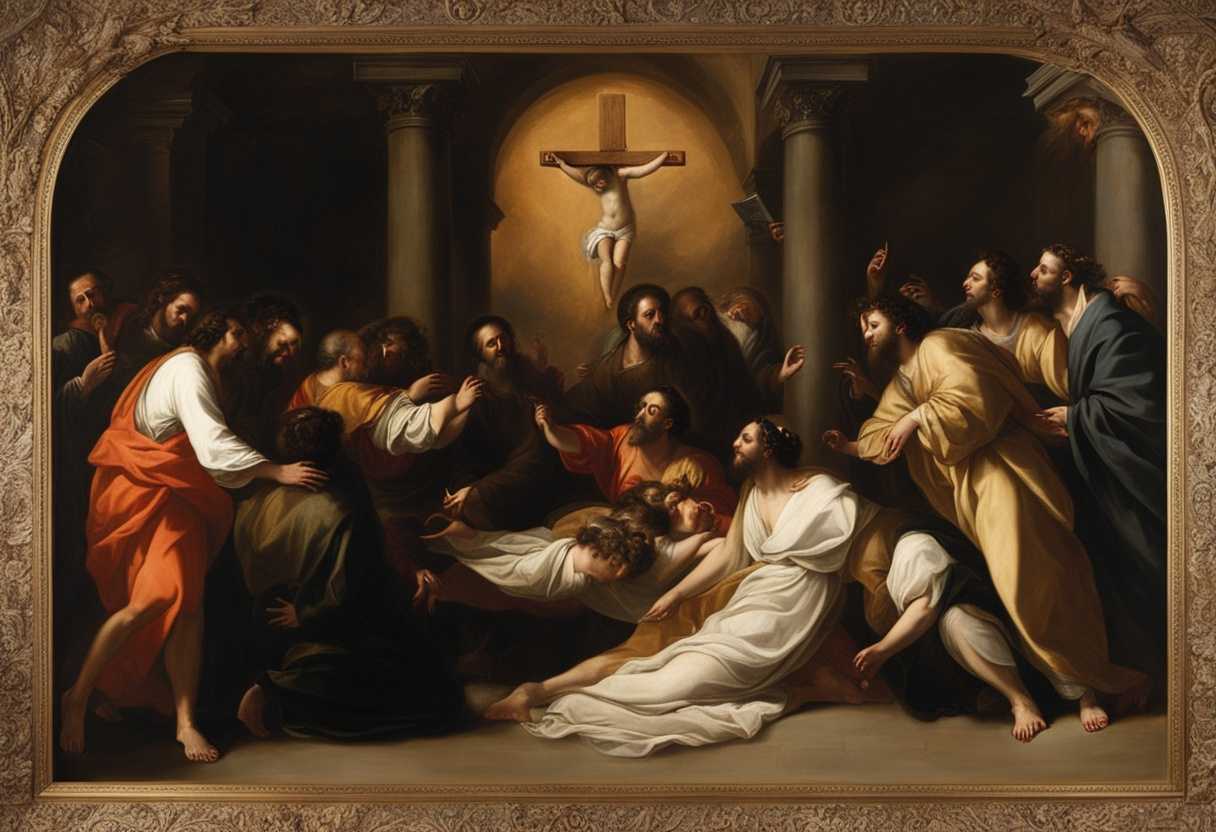
Setting the Scene for Acts 19:11-20
In Acts chapter 19, we find the apostle Paul in the city of Ephesus. The scene is set in a bustling marketplace where Paul is preaching the gospel to a diverse crowd of merchants, locals, and travelers. The air is filled with the sounds of haggling, the smell of spices, and the sight of colorful fabrics hanging from stalls. The sun beats down on the cobblestone streets as Paul passionately shares the message of Jesus Christ.
Among the crowd are some Jewish exorcists who had heard of the miracles Paul was performing in the name of Jesus. Intrigued by the power they witnessed, they decide to try and invoke the name of Jesus themselves to cast out evil spirits. However, their attempt backfires spectacularly when the demon-possessed man they are trying to exorcise overpowers them, leaving them wounded and fleeing in fear.
The news of this incident spreads quickly throughout the city, causing a stir among the people. Many who had practiced magic in Ephesus come forward, confessing their sins and burning their valuable scrolls in a public display of repentance. The scene is one of both chaos and transformation, as the power of God is made manifest in the midst of a city steeped in idolatry and superstition.
What is Acts 19:11-20 about?
This verse from the book of Acts illustrates the powerful impact of God’s miracles on the people of Ephesus. It highlights how the miraculous works performed by the apostle Paul were not merely displays of divine power, but also served as vehicles for leading people to repentance and transformation. The miracles were not just for show, but were intended to bring about a change of heart and mind in the individuals who witnessed them.
Have you ever thought about the profound effect that witnessing miracles can have on a person’s faith? These miraculous signs not only amazed the people of Ephesus but also prompted them to turn away from their old ways and embrace a new life centered on God. It is a reminder of the transformative power of God’s intervention in our lives and how even the most hardened hearts can be softened by the display of His miraculous works. So, next time you encounter a miraculous event or answer to prayer, consider how it might be an opportunity for you to reflect on your own life and make necessary changes to align more closely with God’s will.
Understanding what Acts 19:11-20 really means
Structure for Commentary
- Introduction to the Passage
- Context and Background
- Detailed Analysis of Key Phrases
- Connection to Other Biblical Passages
- Relevance to Modern Life
- Anecdotal Illustration
- God’s power works vividly through the Apostle Paul in Acts 19:11-20, confronting false belief systems and transforming the lives of early Christians in Ephesus. This passage captures the essence of divine intervention and the transformative power of faith.
Context and Background
This passage is set in Ephesus, a city known for its idolatry and magical practices. Paul is in the midst of his third missionary journey, and God performs extraordinary miracles through him. The impact of these miracles extends beyond physical healing to spiritual awakening, challenging the existing belief systems. Understanding this context helps us appreciate the magnitude of the events described.
Detailed Analysis of Key Phrases
The phrase “God did extraordinary miracles through Paul” underscores the divine origin of these acts. It wasn’t Paul’s power but God working through him. This distinction is crucial as it highlights that true miracles are acts of God, not human endeavors. Another significant phrase is “in the name of Jesus,” which emphasizes the authority and power vested in the name of Christ, distinguishing it from the magical incantations common in Ephesus.
Connection to Other Biblical Passages
The miracles in this passage echo the works of Jesus in the Gospels (e.g., healing the sick, casting out demons). Jesus promises in Mark 16:17-18 that those who believe in Him will perform similar signs. Additionally, in Acts 5:12-16, we see the Apostles performing signs and wonders, reinforcing the continuity of divine power at work through the believers. People in today’s world often look for quick fixes and are drawn to various forms of spiritual and mystical solutions. This passage reminds us of the supremacy of God’s power over any other form of spiritual practice. It also calls us to evaluate where we place our trust—are we leaning on God’s power or seeking alternatives that promise control without faith? A person struggling with anxiety might turn to various self-help methods or even dubious spiritual practices for relief in a modern scenario. However, when they encounter the transformative power of faith in Christ through prayer and community, they experience a peace that surpasses all understanding (Philippians 4:7). This real-life transformation mirrors the change seen in Ephesus, where people renounced their past practices and turned to God.
Conclusion and Reflection
Acts 19:11-20 is a powerful testament to God’s ability to transform lives and communities through faith. It challenges us to discern the true source of spiritual power and encourages us to trust in God’s ability to work wonders in our lives. Let’s consider as we reflect on this passage: Are there areas in our lives where we need to relinquish control and allow God’s power to manifest? How can we, like Paul, be vessels through which God’s extraordinary works are displayed?
This passage not only enriches our understanding of the early church but also calls us to a deeper, more authentic faith today.
How can we properly discern between true and false spiritual experiences?
We can discern between true and false spiritual experiences by examining the source and the fruits of these experiences. True spiritual experiences come from God and lead to a deeper relationship with Him, producing fruits such as love, joy, peace, patience, kindness, goodness, faithfulness, gentleness, and self-control. False spiritual experiences, on the other hand, may come from deceptive sources or be self-generated, leading to confusion, division, pride, selfishness, or a lack of spiritual growth. Paul performs extraordinary miracles through the power of God in the passage from Acts 19:11-20, bringing about genuine spiritual transformation in the lives of the people. However, the story also illustrates the dangers of false spiritual experiences, as some individuals sought to manipulate spiritual power for personal gain or prestige, without a true relationship with God. This contrast reminds us to be vigilant and discerning, testing the spirits to see whether they are from God, and evaluating the fruits of any spiritual experience to ensure they align with the character of God and His Word.
Application
In Acts 19:11-20, see God’s miracles through Paul like flashes of hope in a busy world. Imagine God’s power steering your life’s choices at work and with family. This passage challenges you—are you ready to trust deeply and let God’s miracles shine through your everyday actions? It’s time to step up, let go of doubts, and be a beacon of change. Are you prepared to be the catalyst for transformation in your world?

Reverend Michael Johnson is an experienced Church Minister with a profound expertise in spirituality and guidance. With a serene presence and a compassionate heart, he has faithfully served his congregation for over 20 years, leading them on a spiritual journey towards inner peace and enlightenment. Reverend Johnson’s extensive knowledge of religious philosophies and profound understanding of human nature have made him a trusted confidant and mentor to many, as he seamlessly weaves his profound wisdom into life teachings. Reverend Johnson’s calming demeanor and empathetic nature continue to uplift and heal souls, nurturing a sense of unity and tranquility within his community.