
Amos 6:8 is about God’s judgment on the pride and complacency of His people, warning them of the consequences of their luxurious and self-indulgent lifestyles.
8 The Lord God has sworn by himself, declares the Lord, the God of hosts: “I abhor the pride of Jacob and hate his strongholds, and I will deliver up the city and all that is in it.”
Setting the Scene for Amos 6:8
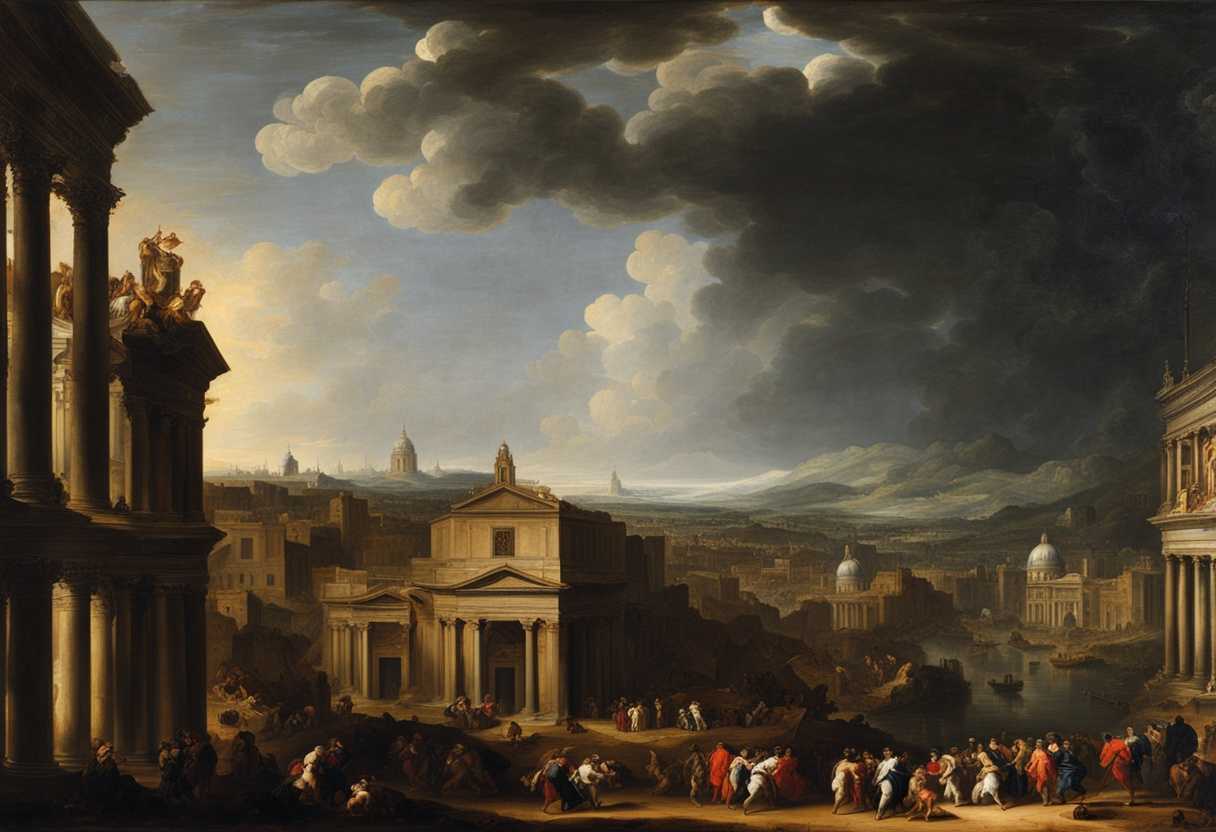
In Amos chapter 6, the prophet Amos delivers a message of warning and judgment to the wealthy and complacent people of Israel. The scene is set in a lavish and opulent banquet hall, filled with luxurious furnishings and adorned with extravagant decorations. The room is dimly lit by flickering torches, casting a warm glow over the assembled guests.
Among those present are the elite members of Israelite society, including nobles, officials, and wealthy landowners. They have gathered to indulge in a feast of rich foods and fine wines, reveling in their prosperity and success while ignoring the plight of the poor and oppressed in their midst. Amos stands in the center of the room, a lone figure in simple robes, his voice ringing out with a message of rebuke and condemnation.
As the guests continue to feast and make merry, Amos warns them of the impending judgment that will come upon them for their arrogance and indifference to the suffering of others. He calls on them to repent and turn back to God before it is too late, urging them to seek justice and righteousness instead of pursuing their own selfish desires. The tension in the room is palpable as Amos’s words cut through the air, challenging the guests to confront their own complicity in the injustices of their society.
What is Amos 6:8 about?
The Lord makes a solemn oath by Himself in this verse, affirming the seriousness of His message. The mention of Jacob here represents the people of Israel or any individual who adopts a prideful and self-sufficient attitude. The pride referred to is the arrogance and self-reliance that push people away from God and lead them to trust in their own strength and accomplishments rather than in Him. The Lord detests this pride because it indicates a lack of humility, dependence on Him, and acknowledgment of His sovereignty.
Additionally, the mention of fortresses symbolizes the false sense of security that humans often build around themselves. These fortresses can represent anything that people rely on for protection and power other than God. The Lord’s hatred of these fortresses is a reminder that true security lies in Him alone, and any reliance on earthly constructs or self-made defenses will ultimately fail. This verse serves as a warning against pride, self-sufficiency, and misplaced trust, urging us to instead humble ourselves before God and seek refuge in Him as our ultimate strength and protection. Have you ever thought about what fortresses you may be relying on instead of God? How can you align your trust more closely with Him and His promises?
Understanding what Amos 6:8 really means
Amos, a prophet in a time of prosperity marred by social injustice and moral decay, delivers a poignant message in Amos 6:8. The verse serves as a solemn warning, highlighting the consequences of complacency and disobedience to God’s commandments. When God declares, “The Lord GOD has sworn by himself,” the gravity of His words is underscored, emphasizing the certainty and seriousness of impending judgment. By swearing by Himself, God establishes the highest level of commitment and truth, signifying that His decree will undoubtedly come to pass.
God’s declaration that He abhors the pride of Jacob reveals His disdain for the arrogance and self-sufficiency prevalent among the people of Israel. The term “Jacob” symbolizes the nation as a whole, reflecting their collective attitude of pride and independence from God. The mention of hating “his strongholds” signifies God’s displeasure with the false sense of security derived from material wealth and military might, rather than reliance on Him. The impending judgment pronounced in the verse, “I will deliver up the city and all that is in it,” serves as a stark reminder of the consequences of forsaking God’s ways.
Drawing parallels from related biblical passages such as Proverbs 16:18, Isaiah 2:12, and James 4:6, the theme of pride leading to destruction is reiterated. These verses emphasize the dangers of arrogance and the importance of humility before God. The timeless relevance of Amos 6:8 resonates in today’s world, where pride, complacency, and misplaced trust in worldly possessions still pose significant challenges. The call to humility and reliance on God transcends cultural and temporal boundaries, offering a universal lesson for all.
An illustrative anecdote of a successful but prideful businessperson showcases how unchecked arrogance can lead to ethical compromises and downfall. This narrative mirrors the warning in Amos 6:8, where pride and self-reliance pave the path to destruction. Through introspection, repentance, and a renewed commitment to God’s principles, individuals and societies can heed the cautionary tale of Amos 6:8. By embracing humility and acknowledging their dependence on God, people can avert the perils of pride and find true security and peace in their relationship with the Divine.
In conclusion, Amos 6:8 stands as a poignant reminder of the perils of pride and the virtues of humility and reliance on God. It beckons individuals and communities to reflect on their actions, seek repentance, and realign their lives with God’s will. By internalizing this message, one can steer clear of the pitfalls of arrogance and discover genuine security and tranquility in their walk with God.
How can we seek the Lord and live?
We can seek the Lord and live by actively pursuing Him with our whole hearts. This means seeking His presence, His will, and His ways in all aspects of our lives. We can experience the fullness of life that God has promised to those who follow Him by prioritizing our relationship with Him above all else and seeking to align ourselves with His truth.
Living a life that seeks the Lord involves seeking His guidance, wisdom, and direction in all circumstances. It requires humility, obedience, and a willingness to surrender our own plans and desires in favor of His perfect will. We will find true fulfillment, purpose, and abundant life in Him as we seek the Lord with sincerity and diligence. Making Him the center of our lives and finding our identity, security, and satisfaction in Him alone is ultimately about seeking the Lord and living. It is a continual journey of growth, faith, and trust in God, knowing that He is the source of all life and the only One who can satisfy the deepest longings of our hearts.
Application
Think about the gifts and opportunities you’ve been given. Are you using them wisely, honoring their true purpose? In your busy life of work and family, are you making an effort to pursue fairness and integrity daily? Take a stand today and make justice a priority—it’s what truly matters. Will you embrace this challenge and make a difference?

Reverend Michael Johnson is an experienced Church Minister with a profound expertise in spirituality and guidance. With a serene presence and a compassionate heart, he has faithfully served his congregation for over 20 years, leading them on a spiritual journey towards inner peace and enlightenment. Reverend Johnson’s extensive knowledge of religious philosophies and profound understanding of human nature have made him a trusted confidant and mentor to many, as he seamlessly weaves his profound wisdom into life teachings. Reverend Johnson’s calming demeanor and empathetic nature continue to uplift and heal souls, nurturing a sense of unity and tranquility within his community.