
Amos 7:13 is about the prophet Amos facing rejection and opposition from the priest Amaziah, symbolizing the conflict between true prophecy and false religious authority.
13 But never again prophesy at Bethel, for it is the king’s sanctuary, and it is a temple of the kingdom.”
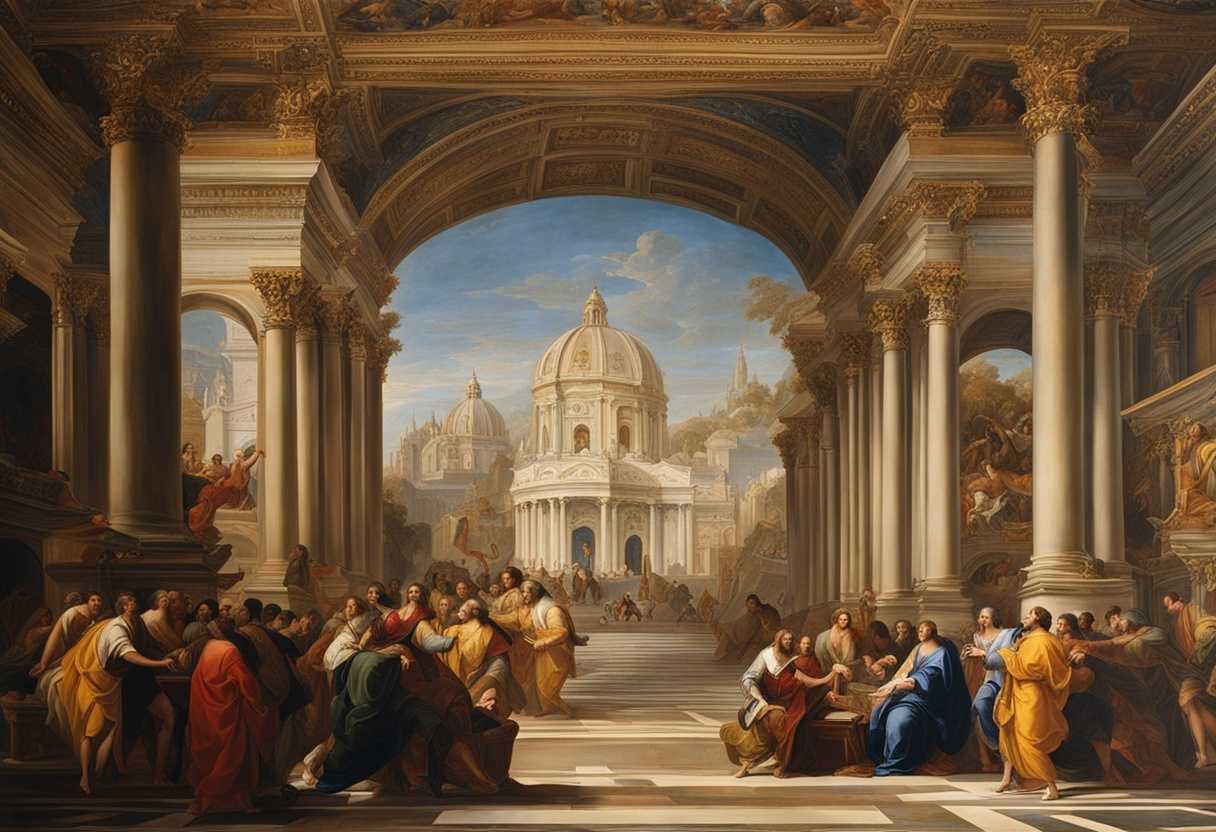
Setting the Scene for Amos 7:13
In Amos chapter 7, we find the prophet Amos standing in the northern kingdom of Israel, specifically in the city of Bethel. The scene is set in the midst of a confrontation between Amos and Amaziah, the priest of Bethel. Amaziah is a prominent figure in the city, serving as a religious leader in the temple of the golden calf, which was a symbol of idolatry and false worship.
Amos, a shepherd from the southern kingdom of Judah, was called by God to prophesy against the sins of Israel. As he delivers his message of judgment and warning to the people, Amaziah becomes increasingly agitated and confronts Amos, demanding that he leave and stop prophesying in the name of the Lord. Amos, however, stands firm in his calling and boldly proclaims the word of God, despite the opposition he faces.
The setting is tense, with Amos standing alone against the religious establishment of Bethel, surrounded by a crowd of onlookers who are divided in their response to his message. The clash between Amos and Amaziah serves as a powerful example of the conflict between true prophecy and false religion, highlighting the importance of staying faithful to God’s word even in the face of opposition.
What is Amos 7:13 about?
Amos, a prophet chosen by God, delivers a powerful and bold proclamation to Jeroboam, the king of Israel, in Amos 7:13. The verse serves as a reminder of the consequences that come from straying away from God’s path and failing to uphold His commandments. Amos fearlessly warns Jeroboam of the impending downfall and exile of Israel, shedding light on the importance of accountability and repentance. Reflecting on this verse prompts us to consider the significance of staying true to our faith and following the principles of righteousness. It compels us to examine our own actions and decisions, questioning whether they align with God’s will. What lessons can we draw from Amos’s prophecy against Jeroboam? How can we apply these teachings to our own lives and strive to walk on the path of righteousness and obedience to God? Let us heed Amos’s words and use them as a guide to lead a life centered on faith, humility, and steadfast devotion to the Almighty.
Understanding what Amos 7:13 really means
Amos 7:13 captures a pivotal moment in the confrontation between the prophet Amos and Amaziah, the priest of Bethel. In this encounter, Amaziah instructs Amos to cease his prophesying in Bethel, highlighting the clash between authentic prophecy and the constraints of institutional religion. The prohibition against prophesying at Bethel signifies a direct challenge to the prevailing religious practices centered around idol worship and royal sanctuaries. It underscores the resistance faced by those who dare to speak God’s truth in the face of entrenched power structures.
The assertion that Bethel is the king’s sanctuary and a temple of the kingdom reveals the fusion of political authority with religious reverence, setting the stage for Amos’s prophetic critique of this intertwined power dynamic. This fusion of political and religious influence serves as a backdrop for understanding the gravity of Amos’s message and the threat it poses to the status quo. The tension between the divine message proclaimed by Amos and the earthly authority represented by the king’s sanctuary illuminates the enduring struggle between spiritual truth and human power throughout history.
Drawing parallels to other biblical passages, such as Jeremiah 1:7-8 and Matthew 10:28, reinforces the timeless theme of standing firm in proclaiming God’s truth despite opposition. These passages emphasize the divine mandate to fear God above all else and to speak His word boldly, regardless of the challenges encountered. The relevance of Amos 7:13 resonates in contemporary society, urging individuals to embody courage in upholding truth and justice, even when confronted by formidable institutions or societal norms.
Consider a modern-day whistleblower who courageously exposes corruption within a powerful corporation, facing threats and attempts to silence them. Like Amos, they persist in speaking out because they are driven by a conviction in the importance of truth and accountability. This anecdote serves as a poignant illustration of the unwavering commitment required to confront injustice and uphold moral integrity in the face of adversity.
As we reflect on the implications of Amos 7:13 for our lives today, we are prompted to examine where we are called to speak truth in our own spheres, even when met with resistance or opposition. This verse serves as a reminder to rely on God’s strength and guidance when confronting challenges, trusting in the ultimate triumph of His truth. In a world where the clash between truth and power persists, the message of Amos resonates as a timeless call to uphold righteousness and stand unwaveringly for what is just and true.
How do we accurately represent God’s word?
Accurately representing God’s word involves conveying the intended meaning and message of the verse in a faithful and truthful manner. This can be achieved by understanding the context of the verse, including the historical background, the audience to whom it was originally written, and the purpose of the passage. God is delivering a message through the prophet Amos to the nation of Israel in the case of Amos 7:13. To represent this accurately, it is crucial to capture the essence of God’s warning, rebuke, or instruction, as well as the broader themes of justice, mercy, repentance, and obedience that may be present in the verse. We can faithfully represent God’s word and ensure that His message is communicated effectively to those who hear or read it by carefully studying the verse and seeking to convey its meaning with clarity and integrity. This requires a commitment to handling the Scriptures with reverence and diligence, striving to accurately reflect the truth and wisdom found in God’s word.
Application
Think about Amos 7:13. Just like you answer calls from your boss or tend to your family’s needs, responding to God’s call is crucial. Amos listened and took action, even when it was tough. Will you? Keep your heart open and ready to follow His direction, no matter how challenging it may seem. So, how will you act on God’s call today?

Reverend Michael Johnson is an experienced Church Minister with a profound expertise in spirituality and guidance. With a serene presence and a compassionate heart, he has faithfully served his congregation for over 20 years, leading them on a spiritual journey towards inner peace and enlightenment. Reverend Johnson’s extensive knowledge of religious philosophies and profound understanding of human nature have made him a trusted confidant and mentor to many, as he seamlessly weaves his profound wisdom into life teachings. Reverend Johnson’s calming demeanor and empathetic nature continue to uplift and heal souls, nurturing a sense of unity and tranquility within his community.