
1 In the first year of Darius the son of Ahasuerus, by descent a Mede, who was made king over the realm of the Chaldeans—
2 in the first year of his reign, I, Daniel, perceived in the books the number of years that, according to the word of the Lord to Jeremiah the prophet, must pass before the end of the desolations of Jerusalem, namely, seventy years.
3 Then I turned my face to the Lord God, seeking him by prayer and pleas for mercy with fasting and sackcloth and ashes.
4 I prayed to the Lord my God and made confession, saying, “O Lord, the great and awesome God, who keeps covenant and steadfast love with those who love him and keep his commandments,
5 we have sinned and done wrong and acted wickedly and rebelled, turning aside from your commandments and rules.
6 We have not listened to your servants the prophets, who spoke in your name to our kings, our princes, and our fathers, and to all the people of the land.
7 To you, O Lord, belongs righteousness, but to us open shame, as at this day, to the men of Judah, to the inhabitants of Jerusalem, and to all Israel, those who are near and those who are far away, in all the lands to which you have driven them, because of the treachery that they have committed against you.
8 To us, O Lord, belongs open shame, to our kings, to our princes, and to our fathers, because we have sinned against you.
9 To the Lord our God belong mercy and forgiveness, for we have rebelled against him.
10 and have not obeyed the voice of the Lord our God by walking in his laws, which he set before us by his servants the prophets.
11 All Israel has transgressed your law and turned aside, refusing to obey your voice. And the curse and oath that are written in the Law of Moses the servant of God have been poured out upon us, because we have sinned against him.
12 He has confirmed his words, which he spoke against us and against our rulers who ruled us, by bringing upon us a great calamity. For under the whole heaven there has not been done anything like what has been done against Jerusalem.
13 As it is written in the Law of Moses, all this calamity has come upon us; yet we have not entreated the favor of the Lord our God, turning from our iniquities and gaining insight by your truth.
14 Therefore the Lord has kept ready the calamity and has brought it upon us, for the Lord our God is righteous in all the works that he has done, and we have not obeyed his voice.
15 And now, O Lord our God, who brought your people out of the land of Egypt with a mighty hand, and have made a name for yourself, as at this day, we have sinned, we have done wickedly.
16 O Lord, according to all your righteous acts, let your anger and your wrath turn away from your city Jerusalem, your holy hill, because for our sins, and for the iniquities of our fathers, Jerusalem and your people have become a byword among all who are around us.
17 Now therefore, O our God, listen to the prayer of your servant and to his pleas for mercy, and for your own sake, O Lord, make your face to shine upon your sanctuary, which is desolate.
18 O my God, incline your ear and hear. Open your eyes and see our desolations, and the city that is called by your name. For we do not present our pleas before you because of our righteousness, but because of your great mercy.
19 O Lord, hear; O Lord, forgive. O Lord, pay attention and act. Delay not, for your own sake, O my God, because your city and your people are called by your name.”
20 While I was speaking and praying, confessing my sin and the sin of my people Israel, and presenting my plea before the Lord my God for the holy hill of my God,
21 while I was speaking in prayer, the man Gabriel, whom I had seen in the vision at the first, came to me in swift flight at the time of the evening sacrifice.
22 He made me understand, speaking with me and saying, “O Daniel, I have now come out to give you insight and understanding.
23 At the beginning of your pleas for mercy a word went out, and I have come to tell it to you, for you are greatly loved. Therefore consider the word and understand the vision.
24 “Seventy weeks are decreed about your people and your holy city, to finish the transgression, to put an end to sin, and to atone for iniquity, to bring in everlasting righteousness, to seal both vision and prophet, and to anoint a most holy place.”
25 Know therefore and understand that from the going out of the word to restore and build Jerusalem to the coming of an anointed one, a prince, there shall be seven weeks.
26 And after the sixty-two weeks, an anointed one shall be cut off and shall have nothing. And the people of the prince who is to come shall destroy the city and the sanctuary. Its end shall come with a flood, and to the end there shall be war. Desolations are decreed.
27 And he shall make a strong covenant with many for one week, and for half of the week he shall put an end to sacrifice and offering. And on the wing of abominations shall come one who makes desolate, until the decreed end is poured out on the desolator.
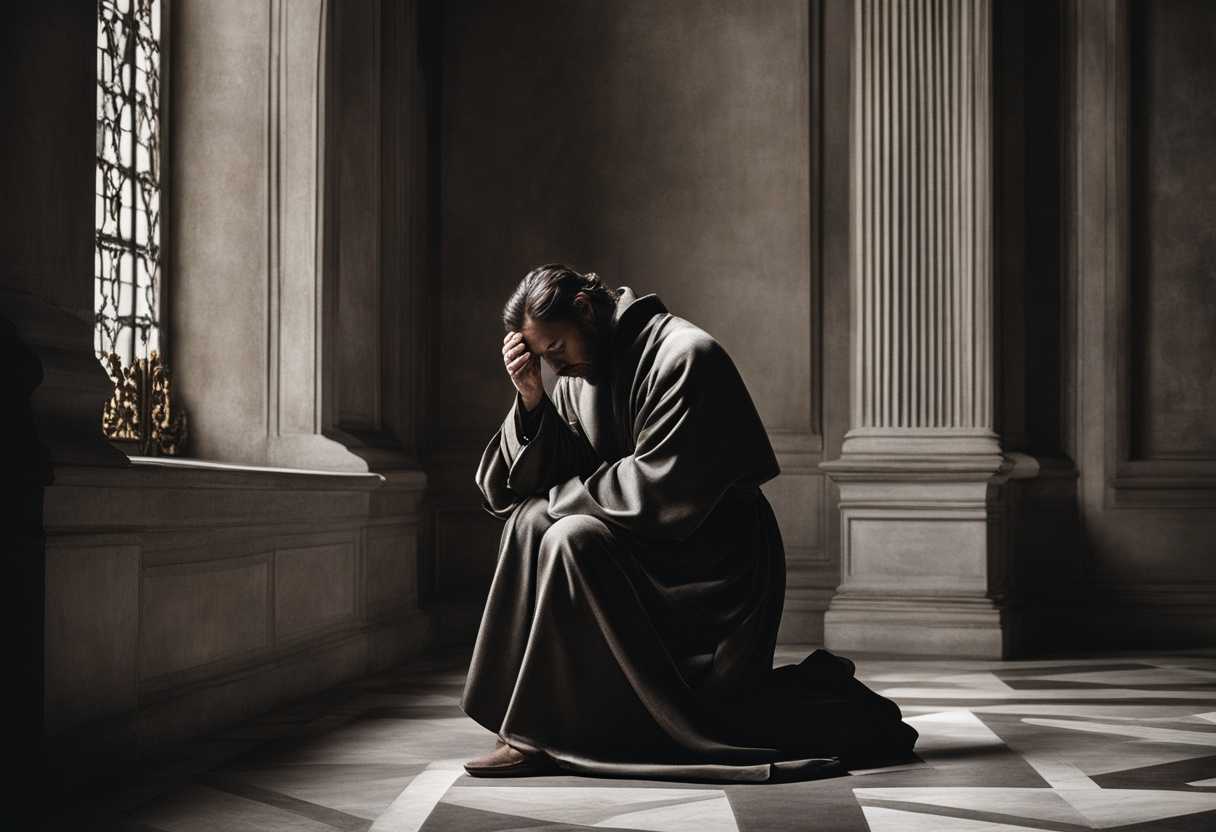
The True Meaning of Daniel 9
The Book of Daniel, written by the prophet Daniel, provides a unique perspective on the events surrounding the Babylonian captivity of the Israelites. Daniel’s fervent prayer for the restoration of Jerusalem and the temple, as well as the remarkable revelation he receives regarding the future of his people, is witnessed in this chapter.
Daniel, a highly respected figure in the Babylonian court, had been exiled from his homeland along with many of his fellow Israelites. During this time of captivity, he remained steadfast in his faith, and his unwavering devotion to God is evident throughout the book. Daniel’s deep concern for the fate of his people is seen in this particular chapter as he intercedes on their behalf, acknowledging their sins and pleading for God’s mercy.
The chapter also includes a prophetic vision, where Daniel is granted a glimpse into the future, including the coming of the Messiah and the ultimate redemption of Israel. This revelation, which echoes the prophecies found in other books of the Bible, such as Isaiah and Jeremiah, serves as a beacon of hope for the exiled Israelites, assuring them that God’s plan for their restoration is unfolding.
Daniel 9:1-3
Daniel reflects on the prophecies of Jeremiah as the verses in Daniel 9:1-3 open. Daniel, a man of great faith and deep connection with God, understood the importance of studying scripture and seeking guidance from the words of the prophets who came before him. This demonstrates the significance of not only reading the Word of God but truly meditating on it and allowing it to speak to your heart and guide your actions.
When Daniel mentions that he understood from the Scriptures the number of years that Jerusalem would remain desolate, he is referring to Jeremiah’s prophecy in Jeremiah 25:11-12 and Jeremiah 29:10. Jeremiah prophesied that Jerusalem would be desolate for seventy years. This period of desolation was a result of the Israelites’ disobedience to God and their refusal to repent. The concept of consequences for disobedience is a recurring theme in the Bible, emphasizing the importance of remaining faithful to God and seeking forgiveness when we stray from His path.
Daniel’s response to understanding the prophecy is to pray and seek God’s guidance and forgiveness. He humbles himself before the Lord, acknowledging the sins of his people and appealing to God’s mercy and faithfulness. This act of repentance and intercession on behalf of his people exemplifies Daniel’s character as a righteous and faithful servant of God. It also serves as a powerful example for believers today, reminding us of the importance of confession, repentance, and seeking God’s mercy in times of trouble.
The act of prayer and seeking God’s guidance is a consistent theme throughout the Bible. Believers turn to God in prayer as a fundamental practice in times of distress or uncertainty. “The Bible says in James 5:16 that the prayer of a righteous person is powerful and effective.”” Daniel’s prayer in chapter 9 serves as a powerful example of the impact of fervent prayer and seeking God’s will in all circumstances. Daniel 9:1-3 sets the stage for the rest of the chapter, highlighting the importance of studying scripture, seeking God’s guidance through prayer, and acknowledging the consequences of sin. It showcases Daniel’s faithfulness and humility before God, reminding us of the timeless message of repentance, forgiveness, and the transformative power of prayer in the life of a believer.
Daniel 9:4-6
Daniel starts by acknowledging God’s greatness, righteousness, and faithfulness to His covenant in Daniel 9:4-6, highlighting the importance of God’s character in the lives of His people. Daniel confesses not only the sins of the Israelites but also his own personal sins and the sins of his ancestors. This act of confession illustrates Daniel’s humility, his deep concern for the spiritual condition of his people, and his understanding of the principles of divine justice and mercy. Daniel recognizes the continuity of the covenant relationship between God and the nation of Israel by including his ancestors’ sins in his confession, emphasizing the collective responsibility of the entire community.
The mention of Moses in verse 6 serves as a reminder of the foundational role he played in the history of Israel. Moses was not only the great liberator and lawgiver but also the mediator between God and the Israelites. His presence in this passage reinforces the idea of a covenant relationship and highlights the importance of obedience to God’s commandments. Moses’ life story, from his rescue as an infant to his leadership of the Israelites out of Egypt and towards the Promised Land, illustrates the overarching theme of God’s faithfulness to His people despite their shortcomings and the importance of repentance and reliance on His mercy.
Daniel’s prayer in these verses reflects a deep understanding of the Israelites’ history of disobedience, exile, and the need for God’s forgiveness and restoration. This theme of repentance and seeking forgiveness runs throughout the Bible, from the Old Testament to the New Testament. For instance, in 1 John 1:9, it is written, “If we confess our sins, he is faithful and just and will forgive us our sins and purify us from all unrighteousness.” This verse reinforces the message of Daniel’s prayer and God’s enduring promise of forgiveness to those who turn back to Him with a repentant heart. Believers can humbly confess their sins, acknowledge God’s righteousness, and seek His mercy and restoration in times of need by following the example set by Daniel in his prayer.
Daniel 9:7-10
Daniel 9:7-10 reveals a confession of sin and recognition of the righteousness of God. The Israelites acknowledge their disobedience and turning away from God’s commands, leading to the consequences they faced. This confession is a crucial step towards repentance and seeking forgiveness from God.
The people of Israel in these verses were reflecting on their transgressions against God’s laws and the ways they had strayed from His righteous path. They recognized that their current state of captivity and suffering was a result of their own actions, emphasizing personal and collective responsibility for their sins. This introspection and admission of wrongdoing are essential elements of seeking reconciliation with God.
This passage reminds us that acknowledging our sins and taking responsibility for them is a significant aspect of repentance. It reflects the biblical principle that genuine repentance involves not only feeling remorse for our sins but also actively turning away from them and seeking God’s forgiveness. The prophet Daniel’s prayer exemplifies humility, recognizing that all have sinned and fallen short of the glory of God (Romans 3:23).
The Israelites’ confession in Daniel 9:7-10 also underscores the importance of understanding the connection between disobedience and the consequences that follow. Throughout the Bible, we see how the choices made by individuals and nations have ramifications, both immediate and long-term. The Israelites’ acknowledgment of their sinfulness serves as a cautionary tale for us to heed God’s commands and avoid the pitfalls of disobedience. God holds His people accountable for their actions, highlighting His righteousness in this passage. God’s justice is a recurring theme in Scripture, underscoring the idea that He is fair and just in His dealings with humanity. Even in times of discipline or judgment, God’s righteousness shines through, offering the promise of restoration for those who repent and turn back to Him. Daniel 9:7-10 presents a poignant reflection on sin, repentance, and God’s righteousness. It teaches us the importance of acknowledging our sins, taking responsibility for our actions, and seeking forgiveness from a just and merciful God. Through the example of the Israelites’ confession, we are reminded of the timeless message of humility, repentance, and restoration found throughout the Bible.
Daniel 9:11-14
Daniel’s prayer of confession and supplication to God continues in Daniel 9:11-14. Let’s break down this passage into sections for a deeper understanding.
Verse 11 starts with Daniel recognizing the righteousness of God in fulfilling His promises and bringing disaster upon them. This section reflects the consequences of the Israelites’ disobedience and the righteousness of God in carrying out His judgments. Here, Daniel acknowledges that God had brought calamity upon the people as He had warned through Moses in Leviticus 26 and Deuteronomy 28 if they strayed from His commandments. Despite the severity of the punishment, Daniel acknowledges the justice of God’s actions.
Moving on to verse 12, Daniel acknowledges that God had fulfilled His word spoken against them and their rulers. This reminds us of the importance of God’s faithfulness to His promises, whether they are blessings or judgments. Throughout the Bible, we see numerous instances of God fulfilling His promises, such as the prophecies concerning the Messiah or the restoration of Israel. This section serves as a reminder of God’s sovereignty and faithfulness in fulfilling His word. Daniel reiterates in verse 13 that all the calamity that had befallen them was in accordance with the Law of Moses. This emphasizes the significance of God’s laws and the consequences of disobedience. The Law was given to guide and protect the Israelites, and failing to follow it resulted in the calamities they faced. This passage underscores the importance of obedience to God’s commands and the consequences of straying from them.
Lastly, in verse 14, Daniel acknowledges that God did not hesitate to bring disaster upon them, as He had promised. This showcases God’s unwavering commitment to both His promises and His justice. Despite the suffering and hardships faced by the Israelites, God remained true to His word. This verse serves as a reminder of the consequences of sin and the importance of repentance and turning back to God. Daniel 9:11-14 highlights the themes of God’s righteousness, faithfulness to His promises, the consequences of disobedience, and the importance of repentance. It serves as a poignant reminder of the significance of following God’s commands and the consequences of straying from them. Throughout the Bible, we see examples of God’s faithfulness and justice, emphasizing the timeless message of the importance of obedience and repentance in maintaining a relationship with God.
Daniel 9:15-19
Daniel breaks down the section in Daniel 9:15-19 by confessing the sins of his people, acknowledging God’s righteousness, and pleading for His mercy and forgiveness.
Firstly, Daniel confesses the sins of his people, recognizing that they had turned away from God’s commandments and had not obeyed His voice. This act of confession is essential as it shows a humble and repentant heart. It is a reminder that acknowledging our sins and seeking forgiveness is a crucial aspect of our relationship with God. Throughout the Bible, we see instances where individuals and nations confess their sins before God, seeking His forgiveness and mercy, such as the repentance of Nineveh in the book of Jonah.
Daniel then acknowledges God’s righteousness, emphasizing that God is a God of justice and mercy. This acknowledgment is a powerful reminder of God’s character and nature. Despite the sins of the people, Daniel recognizes that God is righteous in all His ways. This theme of God’s righteousness is consistent throughout the Bible, highlighting the importance of understanding and acknowledging God’s perfect character. Daniel pleads for God’s mercy and forgiveness, appealing to God not because of the righteousness of the people but because of God’s great mercies. This plea showcases Daniel’s deep understanding of God’s compassion and willingness to forgive those who seek Him with genuine repentance. It serves as a reminder that our forgiveness and salvation are not based on our own merits but on God’s grace and mercy. This concept is echoed in the New Testament as well, particularly in Ephesians 2:8-9, where it is emphasized that we are saved by grace through faith, not by our own works. This passage from Daniel 9:15-19 emphasizes the importance of confession, acknowledging God’s righteousness, and seeking His mercy and forgiveness. It provides a timeless lesson on humility, repentance, and the unchanging nature of God’s character. The story of Daniel serves as a powerful example of faithfulness, perseverance, and reliance on God in the midst of challenging circumstances.
Daniel 9:20-23
Gabriel came to me in swift flight about the time of the evening sacrifice while I was still in prayer, confessing my sin and the sin of my people Israel and making my request to the Lord my God for his holy hill. He instructed me and said to me, ‘Daniel, I have now come to give you insight and understanding. A word went out as soon as you began to pray, which I have come to tell you, for you are highly esteemed. Therefore, consider the word and understand the vision.’”
This section of the verse recounts a crucial moment in Daniel’s life. The prophet Daniel had been fervently praying, confessing his sins and those of his people before God. The reference to the “holy hill” alludes to the Temple mount in Jerusalem, which held immense significance for the Israelites as a place of worship and divine encounter. Daniel’s prayer was a plea for restoration and forgiveness for his people who had strayed from God’s commandments.
The appearance of the archangel Gabriel is significant as it demonstrates God’s response to Daniel’s sincere prayer. Gabriel, who was also sent to announce the births of John the Baptist and Jesus in the New Testament, is depicted as a messenger delivering important revelations. His arrival in swift flight indicates the urgency and importance of the message he brings to Daniel.
Gabriel informs Daniel that from the moment he started his prayer, a word was sent forth, emphasizing the immediate response of God to his supplication. The reassurance that Daniel is highly esteemed by God highlights the intimate relationship between the prophet and the Almighty. This interaction between Daniel and Gabriel reinforces the concept of the divine realm being intricately involved in the affairs of humans, especially those who seek God earnestly.
The directive for Daniel to “consider the word and understand the vision” underscores the importance of discerning spiritual revelations and seeking understanding from God. Daniel’s prophetic visions and encounters with angels serve as a reminder for believers to remain vigilant and prayerful, as God communicates with His people through various means. This passage showcases the power of prayer, repentance, and God’s faithfulness in answering the cries of His children. This part of Daniel 9 offers a profound lesson on the significance of prayer, repentance, and the divine intervention in the lives of those who earnestly seek God. It reinforces the timeless message of seeking forgiveness, understanding God’s will, and being open to receiving divine guidance in our lives.
Daniel 9:24-27
A prophetic passage concerning the coming of the Messiah and the events that will lead up to His arrival is seen in Daniel 9:24-27. Let’s break down these verses into key sections for a comprehensive analysis.
Firstly, in Daniel 9:24, it is written, “Seventy weeks are determined for your people and for your holy city, to finish the transgression, to make an end of sins, to make reconciliation for iniquity, to bring in everlasting righteousness, to seal up vision and prophecy, and to anoint the Most Holy.”
Here, the mention of “seventy weeks” is not to be taken literally as weeks of days, but rather symbolically representing a period of time. This period of seventy weeks is often interpreted as seventy weeks of years, totaling 490 years. This prophecy speaks of a specific time frame that God has ordained for the fulfillment of His purposes, particularly concerning the Jewish people and the holy city of Jerusalem.
The goals listed in this verse, such as finishing transgression, ending sins, making reconciliation for iniquity, bringing in everlasting righteousness, sealing up vision and prophecy, and anointing the Most Holy, ultimately point to the work of the Messiah. These objectives highlight the spiritual restoration and redemption that will come through the work of the promised Savior.
Moving on to Daniel 9:25, it says, “Know therefore and understand, that from the going forth of the command to restore and build Jerusalem until Messiah the Prince, there shall be seven weeks and sixty-two weeks; the street shall be built again, and the wall, even in troublesome times.”
This verse provides a specific timeline for when the Messiah will come. It mentions the decree to rebuild Jerusalem, which historically aligns with the decree given by King Artaxerxes to Nehemiah to rebuild the walls of Jerusalem (Nehemiah 2:1-8). The period of seven weeks and sixty-two weeks (a total of 69 weeks, or 483 years) is significant because it points to the time when the Messiah, referred to as Messiah the Prince, will come. “It states in Daniel 9:26, ‘And after the sixty-two weeks Messiah shall be cut off, but not for Himself; and the people of the prince who is to come shall destroy the city and the sanctuary.’” The end of it shall be with a flood, and till the end of the war desolations are determined.”
This verse prophesies that after the 69 weeks (483 years), the Messiah will be “cut off,” indicating His sacrificial death. The phrase “but not for Himself” emphasizes that His death will be for the salvation of humanity, not for any wrongdoing of His own. The mention of the city and the sanctuary being destroyed points to the future destruction of Jerusalem and the temple, which historically occurred in AD 70 when the Romans under Titus destroyed Jerusalem.
Lastly, in Daniel 9:27, it says, “Then he shall confirm a covenant with many for one week; but in the middle of the week he shall bring an end to sacrifice and offering. And on the wing of abominations shall be one who makes desolate, even until the consummation, which is determined, is poured out on the desolate.”
This verse speaks of a future “prince” who will make a covenant but break it in the middle of the week (a seven-year period often associated with the tribulation). The ceasing of sacrifice and offering in the middle of the week could be a reference to the actions of the Antichrist. This period will culminate in desolation until the final judgment is poured out. The prophecies in Daniel 9:24-27 point to the precise timing and events surrounding the coming of the Messiah, His redemptive work through His sacrificial death, the future desolation of Jerusalem, and the ultimate judgment. These verses underscore the sovereignty of God in orchestrating history according to His divine plan and the faithfulness of His promises throughout the ages, ultimately pointing towards the fulfillment of salvation through Jesus Christ.
After Daniel 9
The prophet Daniel had received a vision from God, revealing the future of his people. The angel Gabriel appeared to him as he poured out his heart in prayer, seeking God’s mercy and forgiveness. Gabriel shared a profound message, unveiling the timeline of events that would unfold, leading to the long-awaited Messiah.
The reverend paused, his eyes fixed on the congregation. “And so, we see that God’s plan for His people was unfolding, even in the midst of their struggles and captivity. But the story does not end here. For in the next chapter, we will witness the extraordinary encounter between Daniel and a heavenly being, who will reveal even more about the future that lies ahead.”

Reverend Michael Johnson is an experienced Church Minister with a profound expertise in spirituality and guidance. With a serene presence and a compassionate heart, he has faithfully served his congregation for over 20 years, leading them on a spiritual journey towards inner peace and enlightenment. Reverend Johnson’s extensive knowledge of religious philosophies and profound understanding of human nature have made him a trusted confidant and mentor to many, as he seamlessly weaves his profound wisdom into life teachings. Reverend Johnson’s calming demeanor and empathetic nature continue to uplift and heal souls, nurturing a sense of unity and tranquility within his community.