
Daniel 9:26 is about the prophecy of the Messiah being cut off and the destruction of Jerusalem, highlighting the sacrifice of Jesus Christ for the redemption of humanity.
26 And after the sixty-two weeks, an anointed one shall be cut off and shall have nothing. And the people of the prince who is to come shall destroy the city and the sanctuary. Its end shall come with a flood, and to the end there shall be war. Desolations are decreed.
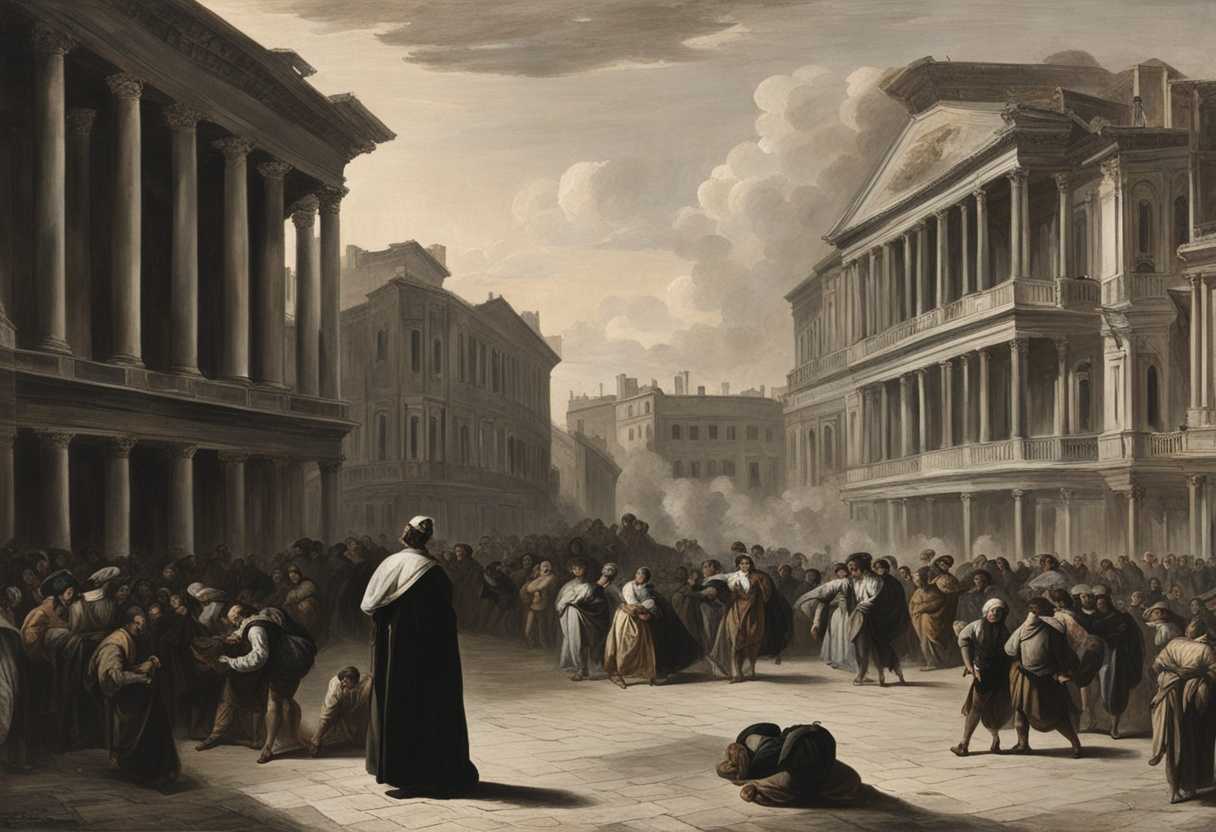
Setting the Scene for Daniel 9:26
In Daniel chapter 9, we find Daniel, a devout and faithful servant of God, in prayer and seeking understanding about the future of his people, the Israelites. The scene is set in the city of Babylon, where Daniel has been living in exile following the Babylonian conquest of Jerusalem. As he prays fervently for forgiveness and guidance, the angel Gabriel appears to him to provide insight and revelations about the future.
Surrounded by the ruins of a once-great city, Daniel is deep in contemplation and repentance for the sins of his people. The weight of exile and the longing for the restoration of Jerusalem weigh heavily on his heart as he pours out his soul before God. It is in this vulnerable and humble state that Gabriel appears to him, bringing a message of hope and prophecy about the coming of the Messiah and the ultimate redemption of Israel.
As Daniel listens intently to the words of the angel, he is filled with awe and wonder at the divine revelations being shared with him. The scene is one of profound spiritual significance, as Daniel is granted a glimpse into the unfolding plan of God for his people and the world. In this moment, Daniel’s faith is strengthened, and he is reassured of God’s faithfulness and sovereignty over all things.
What is Daniel 9:26 about?
The prophet Daniel foretells the death of the Messiah and the destruction of Jerusalem in this verse. This prophecy holds deep theological significance and points to the ultimate sacrifice that Jesus Christ, the promised Messiah, would make for the salvation of humanity. It also foreshadows the impending judgment that would come upon Jerusalem for its rejection of the Messiah. I, as a teacher, invite you to ponder the profound implications of this prophecy. Daniel’s vision, written hundreds of years before the events actually took place, demonstrates incredible precision and accuracy. Reflect on how this prophecy underscores the divine plan of redemption and the sovereignty of God over all of history. What does this tell us about the faithfulness of God to fulfill His promises and the importance of recognizing and responding to the Messiah when He comes? Let this verse deepen your understanding of the interconnectedness of Old Testament prophecies and the fulfilment of God’s redemptive plan through Jesus Christ.
Understanding what Daniel 9:26 really means
Daniel 9:26 is a pivotal verse within the larger context of the “Seventy Weeks” prophecy given to Daniel by the angel Gabriel. This prophecy outlines crucial events in Israel’s history and the coming of the Messiah. The phrase “Messiah shall be cut off” is a poignant depiction of Jesus Christ’s sacrificial death, commonly understood as His crucifixion. The term “cut off” conveys a sense of violent separation, emphasizing the profound sacrifice Jesus made for humanity’s sins. Furthermore, the mention of the Messiah’s death being “not for himself” underscores the selfless nature of His sacrifice, highlighting His ultimate act of love and redemption for all.
Moreover, the prophecy foretells the destruction of the city and the sanctuary, which many scholars interpret as the Roman forces led by Titus who devastated Jerusalem and the Temple in 70 AD. This destruction serves as a historical confirmation of biblical prophecy, affirming the Scriptures’ reliability and divine inspiration. The reference to the “prince who is to come” hints at a future leader arising from the same people, adding a layer of anticipation for future events.
Connecting Daniel 9:26 with related biblical passages like Isaiah 53:8 and Matthew 24:2 further solidifies the significance of Jesus’ sacrificial death and the fulfillment of prophecy. These passages collectively emphasize the Messiah’s sacrificial role in atoning for humanity’s sins and the accuracy of biblical predictions regarding the destruction of Jerusalem. The enduring relevance of this prophecy lies in its portrayal of Jesus’ sacrificial love and the historical fulfillment of God’s plan through significant events like the crucifixion and the destruction of Jerusalem.
To illustrate the profound sacrificial love embodied in Daniel 9:26, consider the image of a firefighter risking their life to save a child from a burning building. Just as the firefighter selflessly endangers themselves for the sake of another, Jesus willingly faced death on the cross, not for His own benefit but to rescue humanity from sin’s consequences. This analogy vividly captures the essence of Jesus’ sacrificial love and the depth of His commitment to our salvation.
In conclusion, Daniel 9:26 encapsulates the essence of Jesus’ sacrificial mission and the fulfillment of prophecy, inviting us to contemplate the profound love and redemption offered through His sacrifice. This verse serves as a timeless reminder of God’s enduring love and the lengths to which He went to secure humanity’s salvation. As we reflect on the message of sacrificial love and redemption conveyed in Daniel 9:26, we are encouraged to embrace the hope and assurance it offers, knowing that Jesus’ sacrifice continues to resonate with believers today.
What does the prophecy of the Messiah’s death reveal?
The prophecy in Daniel 9:26 reveals that the Messiah would be “cut off,” indicating a violent death. This foreshadows the sacrificial death that the Messiah, Jesus Christ, would face to atone for the sins of humanity. The mention of being “cut off” implies a sudden and abrupt end to the Messiah’s life, emphasizing the dramatic nature of his death.
Furthermore, the prophecy emphasizes that the Messiah’s death would not be for any wrong he had done but for the sins of others. This highlights the sacrificial and redemptive nature of the Messiah’s death, as he would bear the punishment for humanity’s sins to bring about reconciliation between God and people. This aspect of the prophecy alludes to the ultimate act of love and self-sacrifice that the Messiah would demonstrate through his death. The prophecy in Daniel 9:26 foretells a significant and essential aspect of the Messiah’s mission on earth: to suffer and die in order to bring salvation and redemption to mankind. It reveals a deep sense of purpose and a divine plan for the Messiah’s death, marking a pivotal moment in human history for those who believe in his sacrificial death as a means of salvation.
Application
Think of your daily grind, those endless meetings, and family responsibilities. Now, reflect on Daniel 9:26, a powerful reminder of the ultimate sacrifice made for our sins. This isn’t just a footnote in history—it’s a call to transform your heart and actions with gratitude and repentance. In the hustle and chaos of life, will you let this immense love inspire you to live differently? How will you honor this sacrifice today?

Reverend Michael Johnson is an experienced Church Minister with a profound expertise in spirituality and guidance. With a serene presence and a compassionate heart, he has faithfully served his congregation for over 20 years, leading them on a spiritual journey towards inner peace and enlightenment. Reverend Johnson’s extensive knowledge of religious philosophies and profound understanding of human nature have made him a trusted confidant and mentor to many, as he seamlessly weaves his profound wisdom into life teachings. Reverend Johnson’s calming demeanor and empathetic nature continue to uplift and heal souls, nurturing a sense of unity and tranquility within his community.