
Deuteronomy 14:8-10 is about the guidelines provided by God regarding which animals are considered clean and permissible for consumption by the Israelites, emphasizing the importance of following God’s laws and maintaining holiness.
8 And the pig, because it parts the hoof and is cloven-footed but does not chew the cud, is unclean to you.
9 “These you may eat of all that are in the waters. Everything in the waters that has fins and scales, whether in the seas or in the rivers, you may eat.
10 but anything that does not have fins and scales you shall not eat; it is unclean for you.
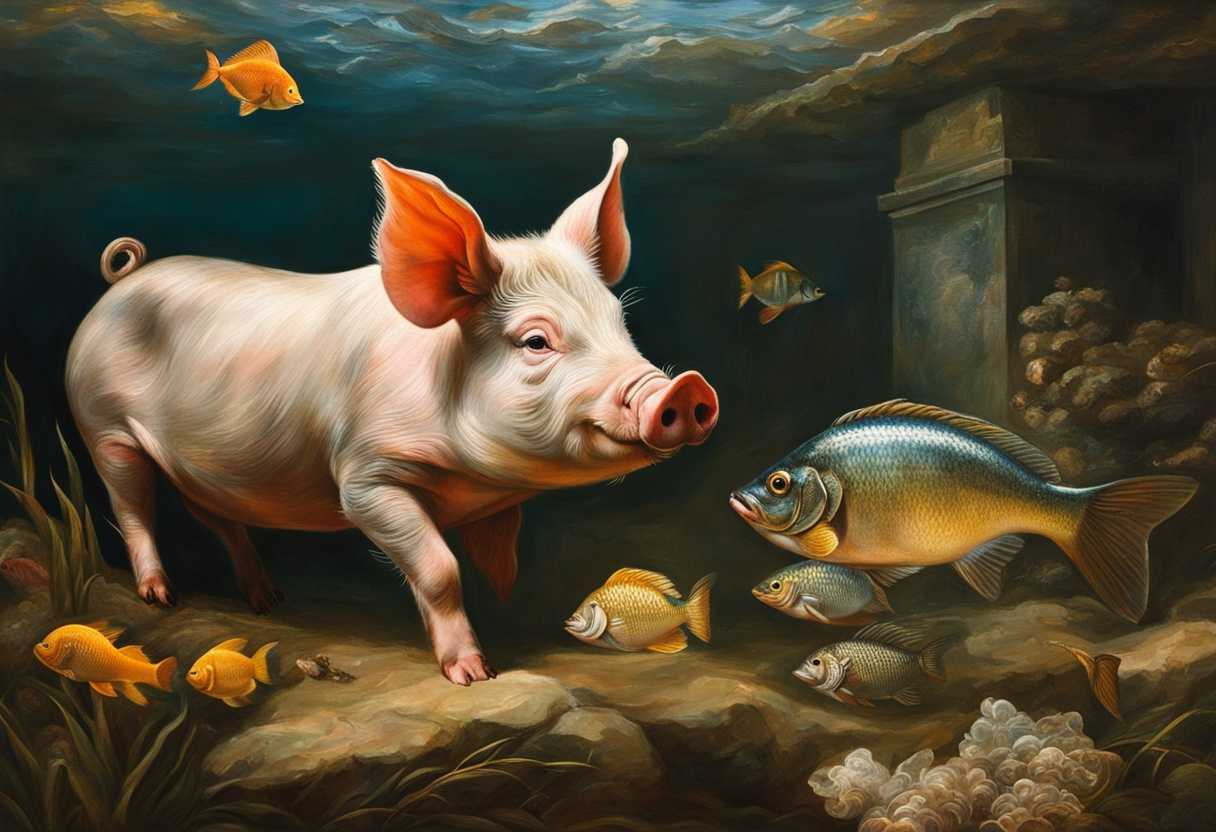
Setting the Scene for Deuteronomy 14:8-10
In Deuteronomy chapter 14, we find the scene set in the camp of the Israelites as they journey through the wilderness after their exodus from Egypt. The people of Israel have gathered together for a special assembly to hear the words of Moses, who is standing before them, delivering the laws and commandments that God has given to guide and protect them. The air is filled with a sense of reverence and anticipation as the people listen intently to the instructions being imparted to them.
Among the crowd are men, women, and children of all ages, from various tribes and backgrounds, united in their commitment to follow the God of their ancestors. The scene is set against the backdrop of the vast desert landscape, with the sun casting a warm glow over the assembly. As Moses continues to speak, he addresses the dietary laws that God has established for the Israelites, including the prohibition against consuming certain animals such as the pig, the rabbit, and the camel. The people nod in understanding, recognizing the importance of obeying these laws to maintain their purity and holiness before the Lord.
What is Deuteronomy 14:8-10 about?
The list of clean and unclean animals in this verse reflects the dietary laws set forth by God to the Israelites. These laws served as a way to distinguish the Israelites from other nations and to promote holiness and obedience to God. The Israelites demonstrated their commitment to God’s will and their separation from practices that may lead them away from Him by following these guidelines.
Have you ever thought about the significance of these dietary laws in the context of faith and obedience? The Israelites were not only showing their allegiance to God but also acknowledging His sovereignty over every aspect of their lives, including what they ate by adhering to these rules. These laws encouraged mindfulness and discipline in their daily habits and reinforced the importance of following God’s commands in all areas of life.
Next time you read these verses, consider the deeper meanings behind the clean and unclean animals as symbols of obedience, holiness, and faithfulness. Reflect on how these ancient laws can still teach us valuable lessons about honoring God and living in accordance with His will, even in our modern lives.
Understanding what Deuteronomy 14:8-10 really means
Deuteronomy 14:8-10 delves into the dietary laws set forth for the Israelites, distinguishing between clean and unclean animals for consumption. The criteria for cleanliness are specific, requiring animals to both chew the cud and have a split hoof. The mention of the pig as an example highlights the importance of meeting all criteria to be considered clean. This command extends beyond mere consumption, emphasizing the significance of ritual purity by forbidding even the touching of unclean animals’ carcasses. The guidelines extend to aquatic life as well, with a clear distinction between clean and unclean based on the presence of fins and scales.
In the broader context of the Bible, these dietary laws are reiterated in Leviticus 11, emphasizing the importance of adhering to these distinctions. However, in Acts 10, there is a notable shift in understanding as Peter’s vision challenges the traditional understanding of clean and unclean foods. This shift signifies a broader message that what God has made clean should not be considered impure, pointing towards a deeper spiritual truth beyond dietary restrictions.
While these laws were initially given to set the Israelites apart as a holy people, they hold relevance for modern readers as well. They serve as a call to live intentionally, making choices that honor God in all aspects of life. Though many Christians believe that Christ fulfilled and transformed these specific dietary restrictions, the underlying principle of seeking purity and holiness remains pertinent.
Consider a family choosing to adopt a healthier lifestyle not just for physical well-being but also to honor their bodies as temples of the Holy Spirit. This intentional decision-making mirrors the essence of the dietary laws, prompting us to be deliberate in our choices and actions, aligning them with honoring God.
In conclusion, Deuteronomy 14:8-10 underscores the significance of living a life dedicated to God, marked by discernment and intentionality. By grasping the historical and spiritual context of these laws, we can apply the principles of purity and mindfulness to our lives today, striving to honor God in all that we do.
How can we honor God with our bodies?
We can honor God with our bodies by being mindful of what we consume. This includes taking care of our physical health by choosing nutritious foods and avoiding things that harm our bodies. We show reverence to God by treating our bodies as temples of the Holy Spirit.
Additionally, we can honor God with our bodies by avoiding practices that defile them. This includes refraining from activities that are morally or spiritually detrimental, such as engaging in substance abuse, immorality, or practices that go against God’s teachings. We demonstrate our commitment to honoring Him by living a lifestyle that aligns with God’s values.
Lastly, honoring God with our bodies also involves living a life of service and worship. This can include acts of charity, kindness, and compassion towards others, as well as actively participating in communal worship and prayer. We reflect God’s light and bring glory to His name by using our bodies as vessels for love, goodwill, and worship.
Application
Imagine your life is a bustling office or a nurturing home. Each choice you make is like a critical work assignment or a family meal. Deuteronomy 14:8-10 challenges us to appreciate and respect what sustains us. Will you examine your everyday actions to ensure they reflect gratitude and alignment with a higher purpose?

Reverend Michael Johnson is an experienced Church Minister with a profound expertise in spirituality and guidance. With a serene presence and a compassionate heart, he has faithfully served his congregation for over 20 years, leading them on a spiritual journey towards inner peace and enlightenment. Reverend Johnson’s extensive knowledge of religious philosophies and profound understanding of human nature have made him a trusted confidant and mentor to many, as he seamlessly weaves his profound wisdom into life teachings. Reverend Johnson’s calming demeanor and empathetic nature continue to uplift and heal souls, nurturing a sense of unity and tranquility within his community.