
1 “Then we turned and went up the way to Bashan. And Og the king of Bashan came out against us, he and all his people, to battle at Edrei.”
2 But the Lord said to me, ‘Do not fear him, for I have given him and all his people and his land into your hand. And you shall do to him as you did to Sihon king of the Amorites, who lived at Heshbon.’
3 So the Lord our God gave into our hand Og also, the king of Bashan, and all his people, and we struck him down until he had no survivor left.
4 And we took all his cities at that time—there was not a city that we did not take from them—sixty cities, the whole region of Argob, the kingdom of Og in Bashan.
5 All these were cities fortified with high walls, gates, and bars, besides very many unwalled villages.
6 And we devoted them to destruction, as we did to Sihon the king of Heshbon, devoting to destruction every city, men, women, and children.
7 But all the livestock and the spoil of the cities we took as our plunder.
8 So we took the land at that time out of the hand of the two kings of the Amorites who were beyond the Jordan, from the Valley of the Arnon to Mount Hermon.
9 (The Sidonians call Hermon Sirion, while the Amorites call it Senir)
10 all the cities of the tableland and all Gilead and all Bashan, as far as Salecah and Edrei, cities of the kingdom of Og in Bashan.
11 (For only Og the king of Bashan was left of the remnant of the Rephaim. Behold, his bed was a bed of iron. Is it not in Rabbah of the Ammonites? Nine cubits was its length, and four cubits its breadth, according to the common cubit.)
12 all the cities of the tableland and all Gilead and all Bashan, as far as Salecah and Edrei, cities of the kingdom of Og in Bashan.
13 the rest of Gilead, and all Bashan, the kingdom of Og, that is, all the region of Argob, I gave to the half-tribe of Manasseh. (All that portion of Bashan is called the land of Rephaim.)
14 Jair the Manassite took all the region of Argob, that is, Bashan, as far as the border of the Geshurites and the Maacathites, and called the villages after his own name, Havvoth-jair, as it is to this day.
15 And I gave Gilead to Machir.
16 And to the Reubenites and the Gadites I gave the territory from Gilead as far as the Valley of the Arnon, with the middle of the valley as a border, as far over as the river Jabbok, the border of the Ammonites;
17 the Arabah also, with the Jordan as the border, from Chinnereth as far as the Sea of the Arabah, the Salt Sea, under the slopes of Pisgah on the east.
18 And I commanded you at that time, saying, ‘The Lord your God has given you this land to possess. All your men of valor shall cross over armed before your brothers, the people of Israel.’
19 But your wives, your little ones, and your livestock (I know that you have much livestock) shall remain in the cities that I have given you,
20 until the Lord gives rest to your brothers, as to you, and they also occupy the land that the Lord your God gives them beyond the Jordan. Then each of you may return to his possession which I have given you.’
21 And I commanded Joshua at that time, ‘Your eyes have seen all that the Lord your God has done to these two kings. So will the Lord do to all the kingdoms into which you are crossing.
22 You shall not fear them, for it is the Lord your God who fights for you.
23 “And I pleaded with the Lord at that time, saying,
24 ‘O Lord God, you have only begun to show your servant your greatness and your mighty hand. For what god is there in heaven or on earth who can do such works and mighty acts as yours?
25 Please let me go over and see the good land beyond the Jordan, that good hill country and Lebanon.
26 But the Lord was angry with me because of you and would not listen. And the Lord said to me, ‘Enough from you; do not speak to me of this matter again.
27 Go up to the top of Pisgah and lift up your eyes westward and northward and southward and eastward, and look at it with your eyes, for you shall not go over this Jordan.
28 But charge Joshua, and encourage and strengthen him, for he shall go over at the head of this people, and he shall put them in possession of the land that you shall see.’
29 So we remained in the valley opposite Beth-peor.
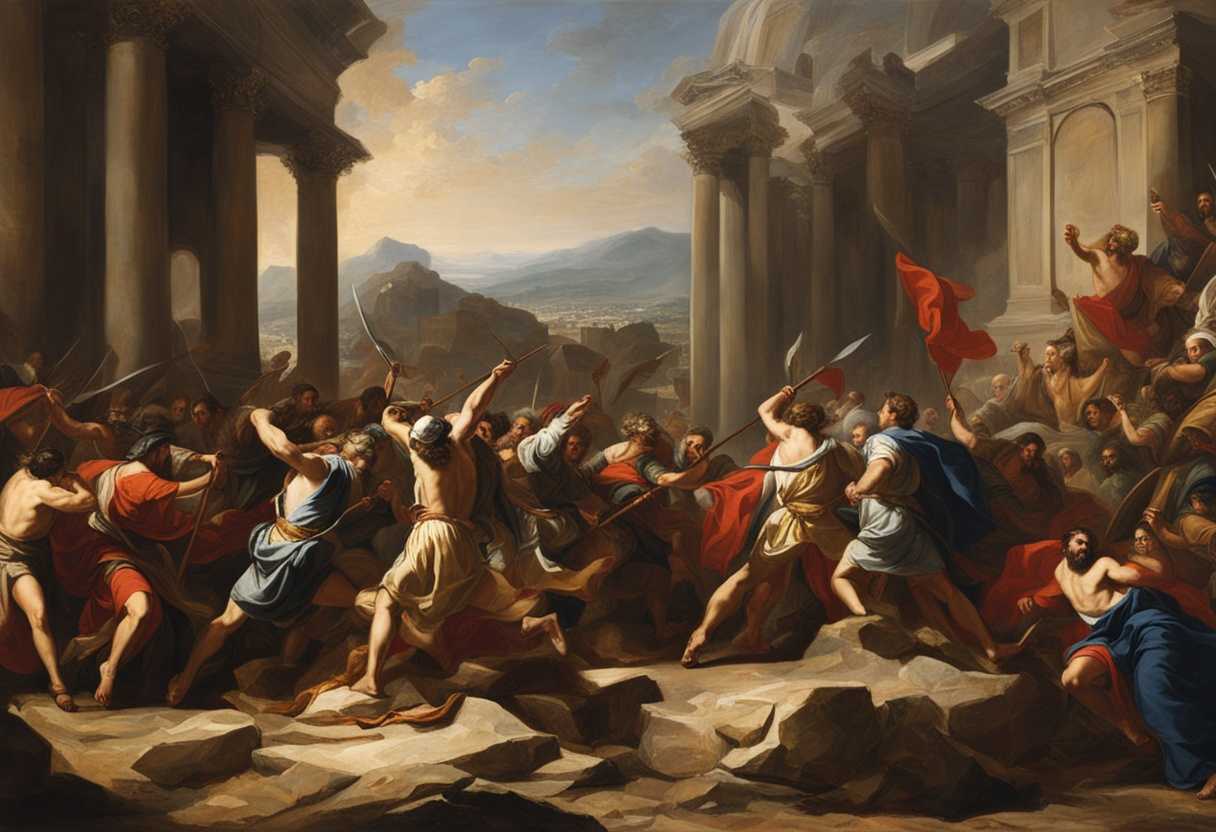
The True Meaning of Deuteronomy 3
The Book of Deuteronomy was written by Moses, the great prophet and leader of the Israelites. Moses recounted the journey and the laws God had given them as they prepared to enter the Promised Land. Moses reminds the people of their victories over the kingdoms of Og and Sihon in this chapter, setting the stage for the Israelites’ conquest of Canaan.
The chapter begins with a recap of the Israelites’ triumph over the mighty King Og of Bashan, whose defeat paved the way for the nation’s expansion. Moses then turns his attention to the kingdom of Sihon, the Amorite king who had refused to let the Israelites pass through his land. The Israelites’ decisive victory over Sihon’s forces is a testament to God’s unwavering support and the people’s obedience to His commands, as seen in the book of Numbers (20:14-21). This chapter serves as a reminder of God’s faithfulness and the importance of trusting in His plan, even in the face of formidable adversaries, as the Israelites stand on the cusp of entering the Promised Land. The victories over Og and Sihon foreshadow the Israelites’ eventual conquest of Canaan, a land flowing with milk and honey, as promised by the Lord (Exodus 33:1).
Deuteronomy 3:1-5
Israel recounts their victory over the king of Bashan in Deuteronomy 3:1-5. This passage begins with the mention of the cities of Bashan, specifically the city of Edrei, which was a significant stronghold. The king of Bashan, Og, was known for his great stature and strength. The mention of his bed made of iron serves to emphasize his impressive size, being approximately thirteen and a half feet long and six feet wide. This detail paints a vivid picture of the strength and power of Og, which would have intimidated many. However, despite his imposing figure, the Israelites, under the leadership of Moses, were victorious over Og and the people of Bashan.
This victory over Og demonstrates the faithfulness and power of God in fulfilling His promises to the Israelites. The Israelites were able to defeat Og not because of their own strength or military might, but because God was fighting for them. This underscores the recurring theme in the Bible that God is the ultimate source of power and victory. The defeat of Og is another example of God fulfilling His covenant with His people, guiding them and granting them success as long as they remain faithful to Him.
The story of the defeat of Og also serves as a reminder of the consequences of disobedience and rebellion against God. Og, like other rulers who stood against the Israelites, faced defeat and destruction because he chose to oppose God’s people. This narrative echoes the broader theme found throughout the Bible that those who defy God and His chosen ones will ultimately face defeat. It serves as a warning to all who would oppose the plans and purposes of God. This passage reinforces the importance of obedience and faithfulness to God in the broader context of the book of Deuteronomy. The Israelites’ victory over Og was a direct result of their trust in God and their willingness to follow His commands. Just as God led the Israelites to victory in battle, He continues to lead and guide His people today. This serves as an encouragement for believers to trust in God’s faithfulness and to remain obedient to His will, knowing that He is the ultimate source of strength and victory. We can draw parallels to our own lives today by understanding the historical context and significance of the defeat of Og. Just as the Israelites faced daunting challenges and enemies, we too encounter obstacles that seem insurmountable. However, like the Israelites, we can find strength and courage in knowing that God fights for us and that ultimately, He is the one who grants us victory. This passage reminds us of the importance of trusting in God’s provision and sovereignty, even in the face of seemingly overwhelming odds.
Deuteronomy 3:6-11
Deuteronomy 3:6-11 reads, “We completely destroyed them, as we had done with Sihon king of Heshbon, destroying every city—men, women and children. But all the livestock and the plunder from their cities we carried off for ourselves. So at that time we took from these two kings of the Amorites the territory east of the Jordan, from the Arnon Gorge to Mount Hermon… The LORD had commanded me, ‘You have marched around this hill country long enough; now turn north. Give the people these orders: ‘You are about to pass through the territory of your relatives the descendants of Esau, who live in Seir. They will be afraid of you, but be very careful. Do not provoke them to war, for I will not give you any of their land, not even enough to put your foot on. I have given Esau the hill country of Seir as his own. The Israelites under the leadership of Moses continue their conquest of the land promised to them by the Lord in this passage. They had defeated Sihon king of Heshbon and Og king of Bashan, who were kings of the Amorites, and claimed their lands east of the Jordan River. It was a common practice during ancient warfare to destroy everything in a conquered city as an act of total victory and to prevent any future retaliation from the defeated people. This act of destruction was seen as harsh by modern standards, but it was a part of the brutal reality of ancient warfare.
The mention of the descendants of Esau living in Seir is important in this passage. The Israelites were instructed by God not to provoke the Edomites, who were the descendants of Esau, to war as He had given them their own land. This serves as a reminder that even in their conquest of the Promised Land, the Israelites were to respect the boundaries and inheritance of other nations. It also reflects God’s faithfulness to His covenant with Esau, as He had promised to bless him with his own territory separate from the land given to the Israelites.
The significance of this passage lies in the themes of obedience to God’s commands, the concept of conquest and inheritance, and the importance of respecting the boundaries of others. It reminds us that God’s promises are fulfilled in His timing and according to His divine plan. This passage also highlights the importance of exercising caution and wisdom in dealing with others, even in times of conflict. This passage echoes the themes of obedience and conquest seen throughout the Old Testament in relation to other verses in the Bible. It reflects similar accounts of the Israelites following God’s commands in their conquest of Canaan, as seen in the book of Joshua. It also foreshadows the importance of honoring boundaries and respecting others, as taught in various passages emphasizing love and humility, such as in Philippians 2:3-4, “Do nothing out of selfish ambition or vain conceit. Rather, in humility value others above yourselves, not looking to your own interests but each of you to the interests of the others.”
Deuteronomy 3:12-17
Deuteronomy 3:12-17 reads, “Of the land that we took over at that time, I gave the Reubenites and the Gadites the territory north of Aroer by the Arnon Gorge, including half the hill country of Gilead, together with its towns. The rest of Gilead and also all of Bashan, the kingdom of Og, I gave to the half-tribe of Manasseh. The whole region of Argob in Bashan used to be known as a land of the Rephaites. Jair, a descendant of Manasseh, took the whole region of Argob as far as the border of the Geshurites and the Maakathites; it was named after him, so that to this day Bashan is called Havvoth Jair.”
This section of Deuteronomy recounts the division of land that was conquered by the Israelites under the leadership of Moses. It highlights how the territories were allocated among the tribes of Reuben, Gad, and the half-tribe of Manasseh. It shows the fulfillment of God’s promise to give the Israelites the land of Canaan as an inheritance. The mention of specific regions and people such as the Reubenites, Gadites, Manasseh, Og, and Jair provides historical context to the division of the land and the significance of certain areas.
The division of land among the tribes demonstrates God’s faithfulness in keeping His promises to His people. It also serves as a reminder of the importance of obedience and faith in God’s plans, as the Israelites were able to claim their inheritance through their trust in Him. Additionally, the reference to historical figures like Jair shows how individuals within the tribes played a role in the conquest and settlement of the land, further emphasizing the collaborative effort required to secure the promises of God.
This passage in Deuteronomy connects with other verses in the Bible that discuss the inheritance of land by the Israelites, such as Joshua 1:6 where God instructs Joshua to lead the people into the land promised to them. The division of land among the tribes also reflects the unity and cohesion necessary for the Israelites to possess and maintain their inheritance, as highlighted in Psalm 133:1 which speaks of the blessing that comes when brethren dwell together in unity. God’s faithfulness, obedience, and unity among His people in fulfilling His promises underscore the allocation of land to the tribes in Deuteronomy 3:12-17. It serves as a testament to the divine guidance and provision given to the Israelites as they entered into the land of Canaan, showcasing how God’s promises are realized through the cooperation and obedience of His chosen people.
Deuteronomy 3:18-22
Moses gives instructions to the tribes of Reuben, Gad, and half of the tribe of Manasseh in Deuteronomy 3:18-22. Moses encourages them to fulfill their promise to help their fellow Israelites conquer the land on the other side of the Jordan River before settling in the land east of the Jordan that had already been conquered.
Moses first reminds these tribes of their obligation to assist their brothers in the upcoming battles to conquer Canaan. This serves as a lesson to prioritize communal well-being over individual desires or settlements. This highlights the importance of unity and solidarity among the Israelites in achieving their common goal of possessing the Promised Land.
Furthermore, Moses emphasizes the importance of courage and steadfastness in battle, exhorting these tribes to fight alongside their brethren without fear. This also carries a timeless message about the significance of showing bravery and unwavering support for one another when facing challenges or enemies. The theme of unity, brotherhood, and collective responsibility is crucial throughout the Bible, and this passage reinforces the idea that strength comes from togetherness.
Moses’ instructions to these tribes reflect a larger theme in the Bible where individuals or groups are called to prioritize the greater good and God’s plan over their personal interests. It aligns with the teachings in other parts of the Bible, such as in Proverbs 16:3, where it says, “Commit your work to the Lord, and your plans will be established.” This echoes the importance of aligning one’s actions with the will of God for ultimate success and fulfillment. The episode involving the tribes of Reuben, Gad, and half of Manasseh shows a moment of unity and cooperation among the Israelites, setting an example for future generations about the value of coming together for a common purpose. It highlights the essence of working in harmony and supporting one another in achieving shared goals, reinforcing the biblical principle of loving your neighbor as yourself (Mark 12:31). Deuteronomy 3:18-22 provides essential teachings on unity, courage, and collective responsibility that are relevant not only in the context of the Israelites’ journey to the Promised Land but also in our daily lives. It serves as a reminder of the power of standing together, supporting each other, and being courageous in the face of challenges as we strive to fulfill God’s purposes and live according to His will.
Deuteronomy 3:23-29
Moses and the Lord have a conversation in Deuteronomy 3:23-29 after the Israelites defeated Sihon and Og, two powerful kings on the east side of the Jordan River. Let’s break down the verse into important sections:
-
“At that time I pleaded with the Lord.” – This verse starts with Moses acknowledging his plea to the Lord. This reflects Moses’ humility and dependence on God even in his elevated role as the leader of the Israelites. It serves as a reminder that no matter our position or authority, we must always come before the Lord in prayer and supplication.
-
“Sovereign Lord, you have begun to show to your servant your greatness and your strong hand.” – Here, Moses acknowledges the greatness and power of God. Throughout the Israelites’ journey in the wilderness and their conquest of the Promised Land, God had consistently demonstrated His mighty power and faithfulness. Moses recognizes this and gives glory to God for His work in their midst.
-
“For what god is there in heaven or on earth who can do the deeds and mighty works you do?” – This statement by Moses emphasizes the uniqueness and supremacy of God. He highlights that there is no other god in heaven or on earth who can compare to the Lord in the mighty works He performs. This declaration reinforces the monotheistic nature of the Israelites’ faith and underscores the belief in the one true God.
-
“Let me go over and see the good land beyond the Jordan—that fine hill country and Lebanon. Moses expresses his desire to enter the Promised Land in these verses. This showcases Moses’ deep longing to see the fulfillment of God’s promise, yet he is aware that due to his disobedience at Meribah (Numbers 20:12), he would not be allowed to enter the land. Despite his years of faithful leadership, Moses’ moment of anger and striking the rock in defiance of God’s command cost him entry into the land he had been leading the people towards.
-
“But because of you the Lord was angry with me and would not listen to me.” – Moses acknowledges that it was his actions that prevented him from entering the Promised Land. His disobedience at the waters of Meribah had consequences, serving as a powerful lesson on the importance of obedience and humility before God. Even the great leaders in the Bible were not exempt from facing the consequences of their sins.
-
“That is enough,” the Lord said. “Do not speak to me anymore about this matter.” – God’s response to Moses’ plea reflects His justice and faithfulness to His word. Despite Moses’ plea, God had already made a decision regarding Moses not entering the Promised Land. This finality emphasizes the importance of accepting God’s will, even when it may not align with our own desires or plans. These verses serve as a reminder of the consequences of disobedience and the importance of humility and obedience before God. They also highlight the faithfulness and power of God, who fulfills His promises yet also expects His people to follow His commands. The story of Moses serves as a powerful example of leadership, faith, and the consequences of sin, emphasizing the need for repentance and submission to God’s will.
After Deuteronomy 3
The Israelites had conquered the lands of Og, king of Bashan, and Sihon, king of the Amorites. They had taken possession of these territories east of the Jordan River. But the journey was far from over. The people knew they would face new challenges and battles as they prepared to cross the Jordan and enter the Promised Land. The Lord had been with them thus far, and the reverend knew that with His guidance, they would overcome whatever obstacles lay ahead. The time had come to put their faith to the test once more.

Reverend Michael Johnson is an experienced Church Minister with a profound expertise in spirituality and guidance. With a serene presence and a compassionate heart, he has faithfully served his congregation for over 20 years, leading them on a spiritual journey towards inner peace and enlightenment. Reverend Johnson’s extensive knowledge of religious philosophies and profound understanding of human nature have made him a trusted confidant and mentor to many, as he seamlessly weaves his profound wisdom into life teachings. Reverend Johnson’s calming demeanor and empathetic nature continue to uplift and heal souls, nurturing a sense of unity and tranquility within his community.