
Deuteronomy 31:10-13 is about the commandment for the people of Israel to gather together every seven years during the Feast of Tabernacles to hear the reading of the law, ensuring that they remain faithful and obedient to God’s teachings.
10 And he commanded them, “At the end of every seven years, at the set time in the year of release, at the Feast of Booths,
11 when all Israel comes to appear before the Lord your God at the place that he will choose, you shall read this law before all Israel in their hearing.
12 Assemble the people, men, women, and little ones, and the sojourner within your towns, that they may hear and learn to fear the Lord your God, and be careful to do all the words of this law,
13 and that their children, who have not known it, may hear and learn to fear the Lord your God, as long as you live in the land that you are going over the Jordan to possess.
Setting the Scene for Deuteronomy 31:10-13
In the scene described in Deuteronomy 31:10-13, the setting is the land of Canaan, just before the Israelites are about to enter and take possession of the land that God had promised them. The Israelites had been wandering in the wilderness for forty years after leaving Egypt, and now they were on the cusp of fulfilling God’s promise to them.
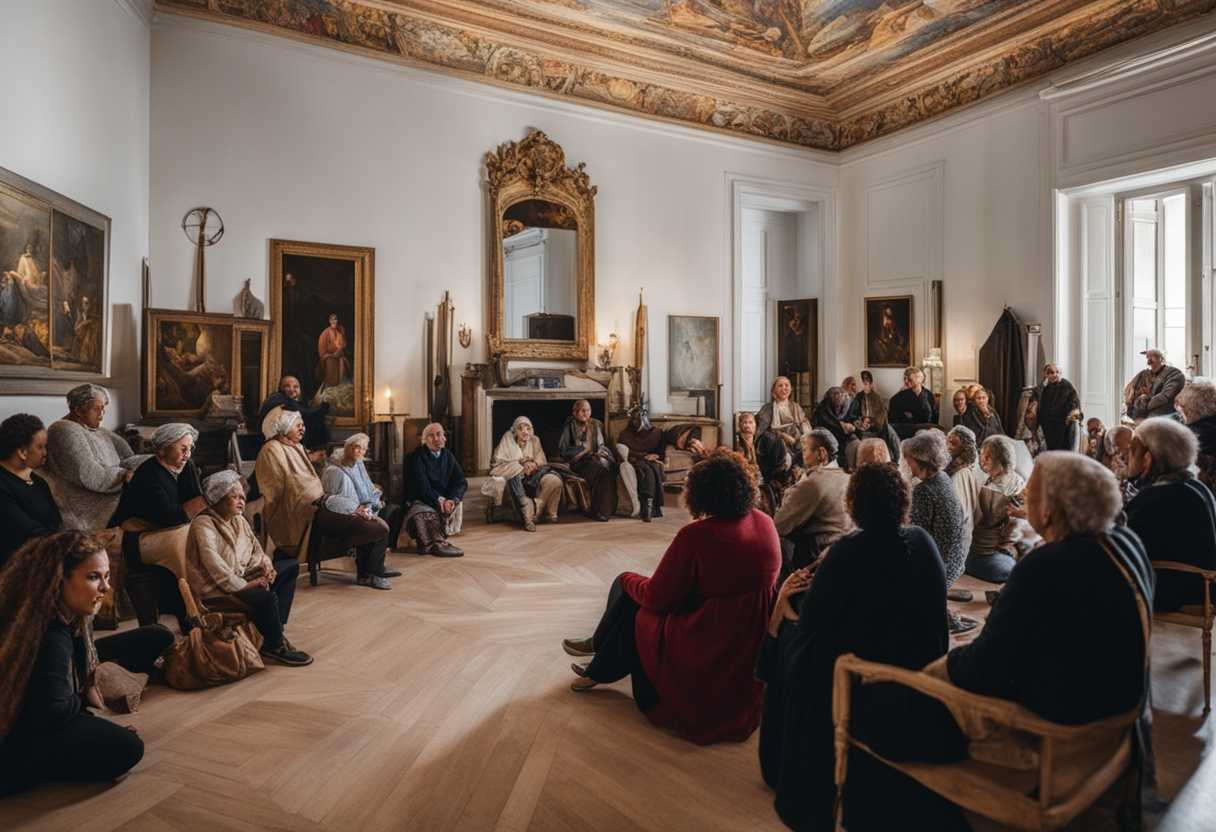
In this momentous occasion, Moses, the leader of the Israelites, gathers all the people together – men, women, and children, along with the foreigners living among them – to hear the word of the Lord. The scene is set in a vast open space, with the Israelites encamped around the Tabernacle, the sacred tent where God’s presence dwelt among them.
As the people gather, Moses reads aloud from the Book of the Law, reminding them of God’s commandments and the covenant they had entered into with Him. This gathering was a solemn and significant event, as Moses emphasized the importance of obeying God’s laws and following His ways as they prepared to enter the land of Canaan. The scene is filled with anticipation and reverence as the Israelites stood on the threshold of a new chapter in their history, guided by the words of their faithful leader, Moses.
What is Deuteronomy 31:10-13 about?
This verse from the book of Deuteronomy highlights the importance of continual learning and remembrance of God’s laws within the community of Israel. Moses emphasizes the significance of regular spiritual nourishment and communal engagement with divine teachings by instructing the Israelites to gather every seven years to hear the law. This practice of coming together to listen and study the law fosters a sense of unity, reinforces moral values, and strengthens the collective identity of the Israelites as a chosen people of God.
Have you ever considered the power of collective learning and communal reinforcement of faith? Just like how students gather in a classroom to absorb knowledge and wisdom from their teacher, the Israelites are encouraged to assemble and immerse themselves in the teachings of God every seven years. This verse serves as a reminder for us to prioritize spiritual growth and intentional community engagement in our own lives. How can we create spaces within our communities to continually learn and reflect on our beliefs, just as Moses instructed the Israelites to do? We should embrace this practice of gathering to hear the law not just as a ritual, but as a transformative and unifying experience that deepens our connection to our faith and to one another.
Understanding what Deuteronomy 31:10-13 really means
In the book of Deuteronomy, as Moses addresses the Israelites on the cusp of entering the Promised Land, he underscores the profound significance of the Law in shaping their community. One particular instruction stands out, where every seven years, during the Festival of Tabernacles, the Law was to be read aloud to all, including men, women, children, and foreigners. This cyclical event symbolizes spiritual renewal and societal reset, emphasizing the timeless importance of God’s commandments in guiding the lives of His people.
The directive to read the Law before the entire assembly highlights the communal aspect of learning and remembering God’s statutes. It stresses the collective responsibility to uphold and pass down these teachings for generations to come. The inclusivity in assembling all members of society for this reading signifies that God’s word is not exclusive but meant for everyone, regardless of background or status. The ultimate goal of this communal reading is to instill a deep reverence for God and a meticulous observance of His laws in daily life.
This practice of communal reading finds echoes in other biblical passages like Joshua 1:8, which emphasizes meditating on the Law day and night for success and prosperity. Nehemiah 8:1-8 recounts a public reading of the Law with the people responding with tears of repentance and joy. Psalm 119:11 speaks of hiding God’s word in one’s heart to avoid sin, underlining the transformative power of internalizing and obeying His commands.
The relevance of this ancient practice extends to modern believers, emphasizing the importance of regular reflection on Scripture. Just as the Israelites benefited from hearing the Law every seven years, contemporary individuals can draw strength and guidance from consistent engagement with God’s word. The emphasis on community and inclusivity in worship serves as a reminder to involve all members in spiritual practices, fostering unity and a shared sense of purpose. Learning and obedience remain crucial aspects, highlighting the ongoing need to study and apply God’s teachings in our daily lives.
Consider a family tradition where a story or set of principles is read and reflected upon annually, strengthening bonds and imparting values. Similarly, the Israelites’ practice of reading the Law every seven years renewed their commitment to God’s commandments and reinforced their identity as His chosen people. This tradition underscores the enduring value of regular engagement with Scripture, instilling reverence, unity, and obedience among believers.
In conclusion, the timeless practice of reading and reflecting on God’s word serves to deepen understanding, foster reverence, and strengthen commitment to living according to His will. By incorporating these principles into our lives, we not only build stronger communities but also experience personal growth in faith and obedience. Let us heed the call to engage with God’s word regularly, drawing inspiration from the ancient practice of communal reading to guide our steps and shape our hearts.
How can we commit to teach God’s word diligently?
To commit to teaching God’s word diligently means to approach the task with seriousness and dedication. It involves making a conscious decision to prioritize the teaching of God’s word in a thorough and careful manner. We must also be intentional in creating opportunities for teaching and learning God’s word, just as Moses commanded the people to gather and listen attentively to the teaching.
Teaching God’s word diligently also entails consistency and persistence. We must not only teach it when it is convenient or when we feel like it, but we should be committed to regularly sharing and proclaiming the truth of God’s word. This means being proactive in seeking out opportunities to teach, whether it be through formal settings such as a church or small group, or informally in our daily interactions with others. A heart that is deeply rooted in the Scriptures is required to commit to teaching God’s word diligently. We must immerse ourselves in the word of God, allowing it to shape and transform our own lives before we can effectively impart its truths to others. We can teach with authority and conviction by continually studying and meditating on the word, knowing that we are sharing the timeless wisdom and truth of God with those around us.
Application
Join the divine meeting room of your soul with fellow believers to power up and upgrade your faith. Just like a strong Wi-Fi connection is crucial for work and family, so is gathering to study and grow through the Scriptures. Take up the challenge and commit to regroup regularly with your spiritual tribe. Will you let the Word be the driving force in your modern-day quest for truth and enlightenment?

Reverend Michael Johnson is an experienced Church Minister with a profound expertise in spirituality and guidance. With a serene presence and a compassionate heart, he has faithfully served his congregation for over 20 years, leading them on a spiritual journey towards inner peace and enlightenment. Reverend Johnson’s extensive knowledge of religious philosophies and profound understanding of human nature have made him a trusted confidant and mentor to many, as he seamlessly weaves his profound wisdom into life teachings. Reverend Johnson’s calming demeanor and empathetic nature continue to uplift and heal souls, nurturing a sense of unity and tranquility within his community.