
Deuteronomy 3:18-20 is about God instructing the Israelites to be strong and courageous as they prepare to conquer the land that He has promised to give them, emphasizing the importance of trusting in Him to achieve their rightful inheritance.
18 And I commanded you at that time, saying, ‘The Lord your God has given you this land to possess. All your men of valor shall cross over armed before your brothers, the people of Israel.’
19 Only your wives, your little ones, and your livestock (I know that you have much livestock) shall remain in the cities that I have given you,
20 until the Lord gives rest to your brothers, as to you, and they also occupy the land that the Lord your God gives them beyond the Jordan. Then each of you may return to his possession which I have given you.’
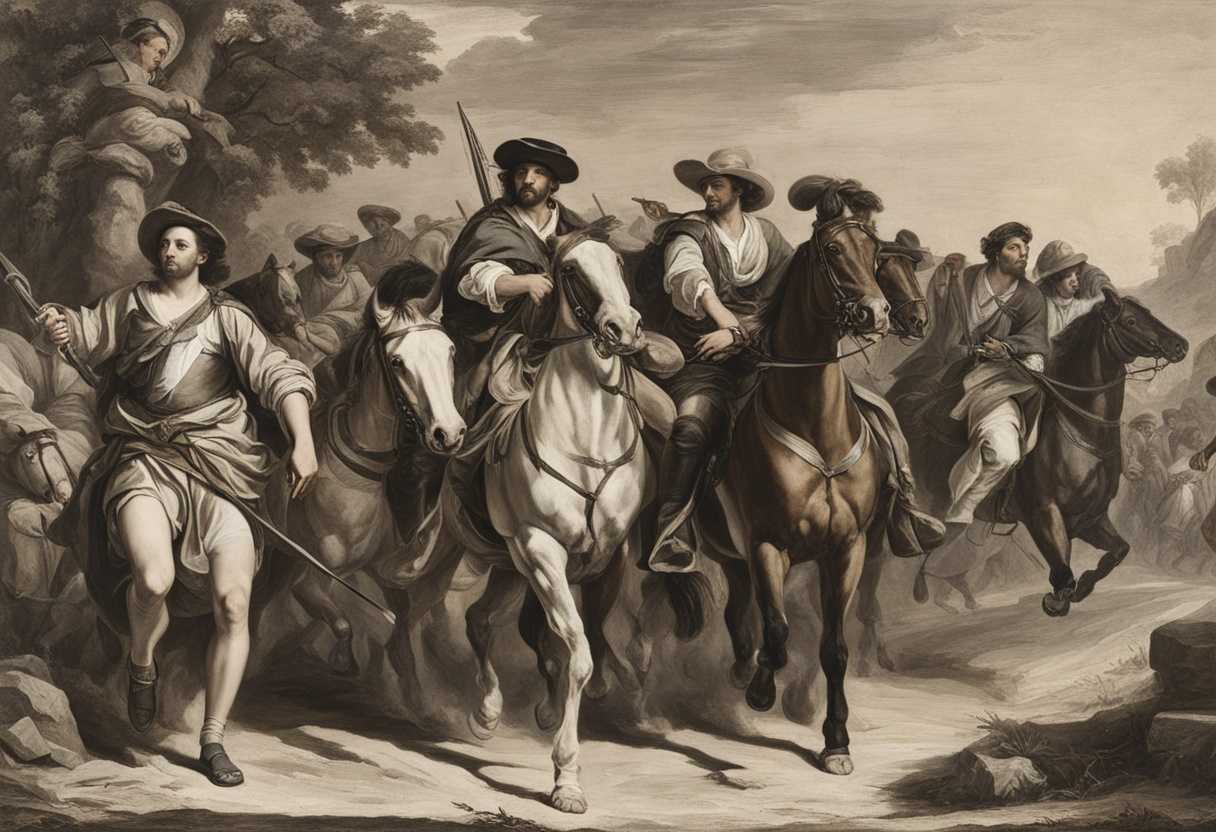
Setting the Scene for Deuteronomy 3:18-20
In Deuteronomy chapter 3, we find the Israelites on the cusp of entering the Promised Land after wandering in the wilderness for forty years. Moses, their faithful leader, is addressing the tribes of Reuben, Gad, and half of the tribe of Manasseh. These tribes had requested to settle on the east side of the Jordan River, where they found fertile land for their livestock.
The scene is set in the plains of Moab, with the Jordan River flowing nearby and the majestic mountains of the Promised Land visible in the distance. The tribes are gathered around Moses, listening intently as he reminds them of their commitment to help their fellow Israelites conquer the land west of the Jordan before settling in their own inheritance. The atmosphere is charged with anticipation and determination as the Israelites prepare to finally enter the land that God had promised to their ancestors. Moses’ words serve as a reminder of their unity as a people and their shared destiny as they stand on the threshold of a new chapter in their history.
What is Deuteronomy 3:18-20 about?
God is giving a clear directive to the Israelites in this verse to take possession of the land that He has promised to them. It signifies God’s faithfulness to His covenant with the Israelites and His commitment to provide for His people. God is not only giving them a physical territory but also a symbolic representation of His provision, protection, and blessings for His chosen people by instructing them to take possession of the land.
Have you ever thought about the significance of a promise fulfilled by God? This verse conveys God’s sovereignty and His desire for His people to fully embrace the blessings that He has in store for them. It also challenges the Israelites to trust in God’s provision and to actively participate in realizing His promises for their lives. Let us reflect on this verse as we consider our own response to God’s promises and His faithfulness in fulfilling them. Are we willing to step out in faith and take possession of the blessings and purposes that God has prepared for us?
Understanding what Deuteronomy 3:18-20 really means
In Deuteronomy 3:18-20, we find Moses addressing the tribes of Reuben, Gad, and the half-tribe of Manasseh as they prepare to enter the Promised Land. These verses serve as a reminder of the commitment these tribes made to assist their fellow Israelites in conquering the land west of the Jordan River before settling in their own allotted territories east of the Jordan. The language used by Moses underscores the significance of God’s provision and the fulfillment of His promise to the Israelites, emphasizing the divine guidance and faithfulness that have brought them to this point.
Moses instructs that all able-bodied men, armed for battle, must lead the way in crossing over the Jordan ahead of the other Israelites. This directive highlights the importance of unity and collective responsibility among the tribes. By ensuring that the warriors from these tribes go ahead, Moses emphasizes the need for solidarity and mutual support in achieving their common goals. The idea of shared burdens and mutual support within the community is further emphasized when Moses mentions that the tribes must continue to assist their fellow Israelites until they too have received their inheritance and found rest.
These verses resonate with timeless principles that are relevant to people today. The concept of collective responsibility and mutual support is crucial in various aspects of our lives, whether in our families, churches, or broader communities. Just as the tribes of Reuben, Gad, and Manasseh were called to support their fellow Israelites until everyone had received their inheritance, we are reminded of our duty to stand by one another and work together towards common objectives. This shared responsibility fosters unity, trust, and a sense of community that is essential for progress and well-being.
Drawing parallels from other biblical passages such as Joshua 1:12-15 and Galatians 6:2, we see a consistent theme of supporting one another and carrying each other’s burdens. These verses echo the importance of fulfilling commitments and promises, reflecting the love and provision of God in our interactions with others. Just as the tribes were called to honor their commitment to assist their brethren, we are encouraged to uphold our promises and support those around us, embodying the principles of compassion, unity, and faithfulness in our daily lives.
In conclusion, Deuteronomy 3:18-20 serves as a poignant reminder of the values of unity, collective responsibility, and commitment. These verses challenge us to emulate the tribes of Reuben, Gad, and Manasseh in their dedication to supporting their fellow Israelites, urging us to stand together, fulfill our obligations, and show love and care for one another. As we navigate our own journeys, may we remember the lessons from these verses and strive to be pillars of strength and support in our communities, reflecting the enduring grace and faithfulness of God in all our interactions.
Are we consistently seeking and following God’s guidance?
We must remember that in seeking and following God’s guidance, He leads us on a path that aligns with His will and purpose for our lives. We can be assured that He will direct our steps and show us the way we should go by trusting in Him and looking to Him for guidance. It is through our relationship with God and our obedience to His Word that we can discern His guidance and follow it faithfully.
God’s guidance is always available to us, but it requires our willingness to seek Him and listen for His voice. We open ourselves up to God’s leading and can confidently move forward in His will as we seek His direction in all areas of our lives. We are called to trust in God’s direction and step out in faith, knowing that He will lead us to where He wants us to be, just as the Israelites were instructed to follow God’s guidance as they entered the promised land. Let us seek God’s guidance through prayer, studying His Word, and listening for His voice in our lives with intentionality. We can walk confidently in the path He has set before us as we align our hearts with His will and remain obedient to His direction, knowing that He is leading us every step of the way.
Application
Are you willing to be bold and faithful in carrying out the missions set before you, just like Joshua trusted the path laid out for him? Let’s embrace the divine strength within us, like a shield at work or a pillar in our families. It’s time to face our challenges with unwavering courage and conviction. Let’s walk the path that leads us closer to our promised land. Will you rise to the occasion and fulfill your purpose today?

Reverend Michael Johnson is an experienced Church Minister with a profound expertise in spirituality and guidance. With a serene presence and a compassionate heart, he has faithfully served his congregation for over 20 years, leading them on a spiritual journey towards inner peace and enlightenment. Reverend Johnson’s extensive knowledge of religious philosophies and profound understanding of human nature have made him a trusted confidant and mentor to many, as he seamlessly weaves his profound wisdom into life teachings. Reverend Johnson’s calming demeanor and empathetic nature continue to uplift and heal souls, nurturing a sense of unity and tranquility within his community.