
Deuteronomy 3:23-29 is about Moses pleading with God to let him enter the promised land, but ultimately accepting God’s decision and commissioning Joshua to lead the Israelites instead, emphasizing obedience to God’s commands and trust in His plan.
23 “And I pleaded with the Lord at that time, saying,”
24 ‘O Lord God, you have only begun to show your servant your greatness and your mighty hand. For what god is there in heaven or on earth who can do such works and mighty acts as yours?
25 Please let me go over and see the good land beyond the Jordan, that good hill country and Lebanon.
26 But the Lord was angry with me because of you and would not listen. And the Lord said to me, “Enough from you; do not speak to me of this matter again.
27 Go up to the top of Pisgah and lift up your eyes westward and northward and southward and eastward, and look at it with your eyes, for you shall not go over this Jordan.
28 But charge Joshua, and encourage and strengthen him, for he shall go over at the head of this people, and he shall put them in possession of the land that you shall see.’
29 So we remained in the valley opposite Beth-peor.
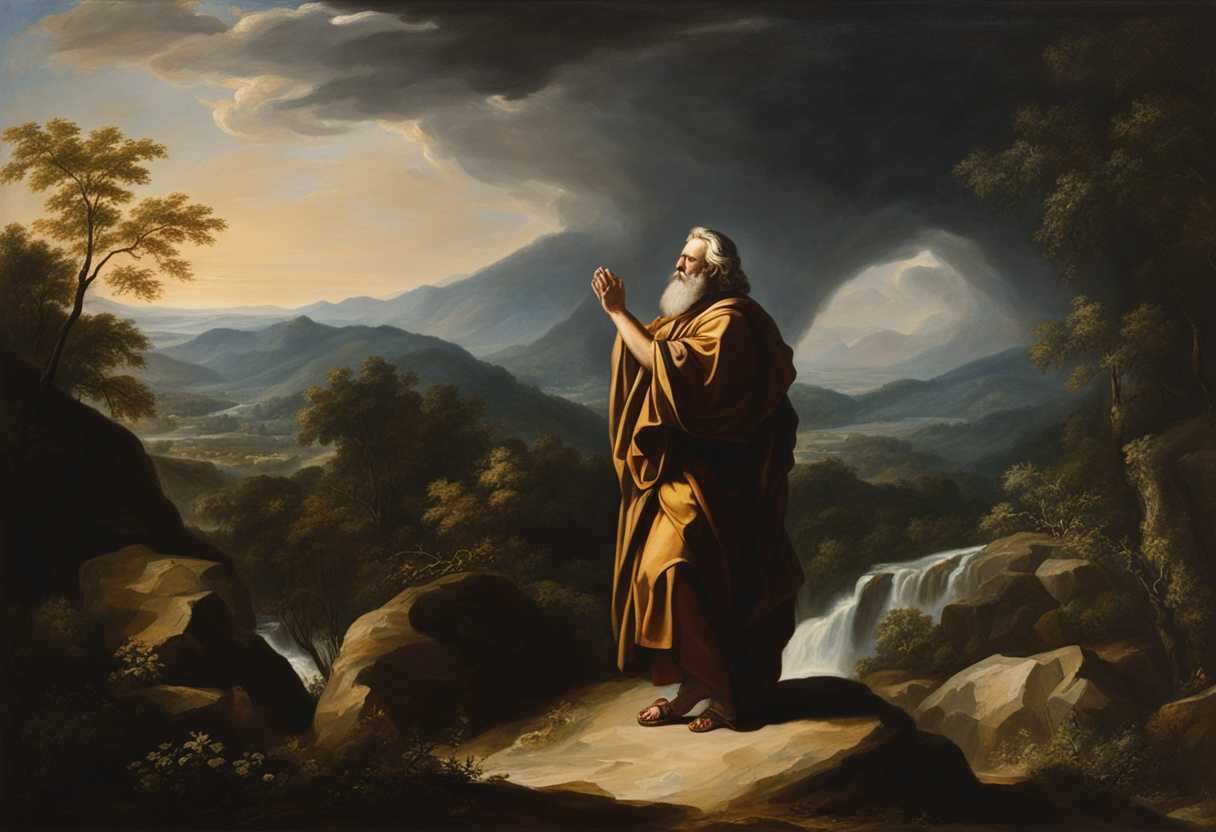
Setting the Scene for Deuteronomy 3:23-29
The scene in Deuteronomy 3:23-29 takes place after the Israelites, led by Moses, have defeated the Amorite kings Sihon and Og in battle. The Israelites are encamped on the eastern side of the Jordan River, preparing to cross over into the Promised Land. Moses is addressing the people, recounting how he pleaded with the Lord to allow him to enter the land with them. However, due to his disobedience at the waters of Meribah, where he struck the rock instead of speaking to it as commanded by God, Moses is informed by the Lord that he will not be allowed to enter the land.
Surrounded by the vast wilderness, the Israelites listen intently as Moses shares this news with them. The weight of the moment hangs heavy in the air as they come to terms with the fact that their beloved leader will not be crossing over into the land flowing with milk and honey. Despite this disappointment, Moses encourages the people to trust in the Lord and to follow Joshua, who will lead them into the Promised Land. The scene is filled with a mix of emotions – sadness at the loss of Moses as their leader, but also hope and determination as they prepare to fulfill God’s promise to their ancestors.
What is Deuteronomy 3:23-29 about?
We witness a powerful lesson about the consequences of disobedience and the importance of following divine guidance in this verse. Despite all of Moses’ leadership, wisdom, and dedication to his people, he still faced the repercussions of his disobedience towards God’s specific instructions. This serves as a reminder that even the most righteous and respected individuals are not exempt from facing the consequences of their actions when they stray from the path set forth by a higher power.
It prompts us to reflect on our own lives – are we truly following the guidance and principles set before us, or are we allowing our own desires and intentions to lead us astray? It challenges us to consider the importance of obedience, trust, and faith in our own lives, recognizing that even the most well-intentioned actions can have negative consequences if they go against what we know to be right. This verse ultimately serves as a poignant reminder of the significance of humility, obedience, and submission to a higher authority in our journey towards our own promised lands.
Understanding what Deuteronomy 3:23-29 really means
In Deuteronomy 3:23-29, we find Moses recounting his plea to God to enter the Promised Land, a poignant moment that reveals profound insights into themes of obedience, divine justice, and the significance of leadership transition. As Moses humbly pleads with the Lord, we witness his deep desire to witness the fulfillment of God’s promise, acknowledging God’s greatness and power. His longing to see the “good land” symbolizes not just a physical place but the richness and beauty of God’s blessings awaiting the faithful.
However, the passage takes a somber turn as Moses reveals that God’s anger towards him stemmed from the collective disobedience of the people. This serves as a stark reminder of the consequences of straying from God’s commands and the weight of leadership responsibility. The divine decree that Moses would not cross the Jordan River underscores the importance of accepting God’s will, even when it diverges from our own desires.
In commissioning Joshua as his successor, God emphasizes the necessity of strong and prepared leadership for the future. This act not only ensures the continuity of God’s plan but also highlights the importance of encouraging and strengthening those who will carry the mantle of leadership. The parallel with our contemporary context is striking, underscoring the relevance of preparing and supporting future leaders in various spheres of life.
Drawing connections to related biblical passages such as Numbers 20:12, Joshua 1:1-9, and Hebrews 11:13, we see a tapestry of faith, obedience, and the intricate workings of God’s plan throughout history. These passages collectively reinforce the themes of obedience, leadership transition, and the faith required to trust in God’s timing and purposes, even when they seem contrary to our own expectations.
As we reflect on the narrative of Moses and his plea to enter the Promised Land, we are reminded of the importance of humility, obedience, and the acceptance of God’s will in our lives. Just as Moses had to relinquish his personal desires for the greater good, we too are called to trust in God’s plan, even when it leads us down unexpected paths. The passage serves as a poignant reminder that our roles in shaping the future and preparing the next generation of leaders are integral to God’s overarching plan for His people.
In conclusion, Deuteronomy 3:23-29 challenges us to consider our response to God’s will, the importance of nurturing future leaders, and the faith required to surrender our desires to His greater purpose. Like Moses, may we find strength in obedience, humility in acceptance, and trust in the unfolding of God’s perfect plan for our lives and the generations to come.
What does it mean to truly seek God’s will?
To truly seek God’s will means to approach Him with humility, surrender, and a sincere desire to align our thoughts and actions with His plans for us. It involves a willingness to yield our own desires and ambitions in favor of God’s higher purpose and perfect will for our lives. Seeking God’s will also requires spending time in prayer, studying His word, and actively listening for His guidance through the Holy Spirit. Moses models seeking God’s will in the verse from Deuteronomy by his prayerful plea to enter the Promised Land. Despite his deep desire, Moses ultimately submitted to God’s decision and trusted in His wisdom. This example teaches us that seeking God’s will may sometimes involve accepting outcomes that are different from our own desires, but in doing so, we acknowledge God’s sovereignty and trust in His perfect plan for our lives. True seekers of God’s will recognize that His ways are higher than ours and yield to His divine guidance with faith and obedience.
Application
Just as we navigate our work commitments and family responsibilities, let’s steer our lives with God’s guidance. Trust in His wisdom and follow His teachings with unwavering faith. It’s crucial to align our actions with His will and walk the path He has laid out for us. Are you ready to entrust your plans to His divine purpose and wholeheartedly follow Him?

Reverend Michael Johnson is an experienced Church Minister with a profound expertise in spirituality and guidance. With a serene presence and a compassionate heart, he has faithfully served his congregation for over 20 years, leading them on a spiritual journey towards inner peace and enlightenment. Reverend Johnson’s extensive knowledge of religious philosophies and profound understanding of human nature have made him a trusted confidant and mentor to many, as he seamlessly weaves his profound wisdom into life teachings. Reverend Johnson’s calming demeanor and empathetic nature continue to uplift and heal souls, nurturing a sense of unity and tranquility within his community.