
Exodus 11:5 is about God’s judgment on the firstborn in Egypt to show His power and differentiate between His chosen people and the Egyptians.
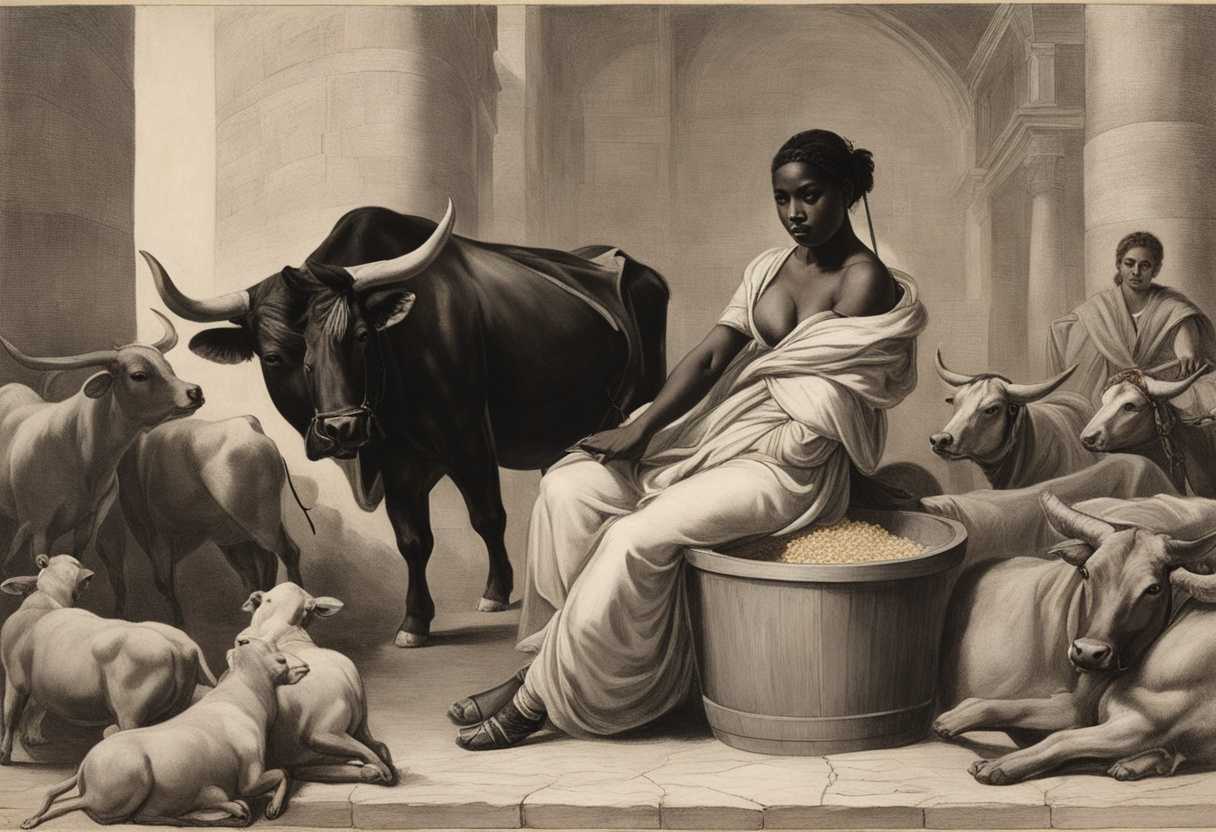
5 And every firstborn in the land of Egypt shall die, from the firstborn of Pharaoh who sits on his throne, even to the firstborn of the slave girl who is behind the handmill, and all the firstborn of the cattle.
Setting the Scene for Exodus 11:5
In Exodus chapter 11, we find ourselves in the land of Egypt during the time of Moses and Aaron. The scene is set in the royal palace of Pharaoh, the powerful ruler of Egypt. Pharaoh is seated on his throne, surrounded by his advisors and court officials. The atmosphere is tense as Moses and Aaron stand before Pharaoh, delivering a final warning of the impending plague of the death of the firstborn.
Pharaoh, stubborn and defiant, refuses to heed their warning, his heart hardened against the God of the Israelites. The room is filled with a sense of foreboding as the confrontation between Pharaoh and the messengers of God reaches its climax. The air is thick with the weight of the impending judgment that will soon befall the land of Egypt.
Moses and Aaron, representing the will of the Almighty, stand resolute in their mission to lead the Israelites out of bondage. The stage is set for the final showdown between the power of Pharaoh and the power of God, a pivotal moment in the epic narrative of the Exodus story.
What is Exodus 11:5 about?
The verse you’ve shared carries a powerful message about God’s judgment and sovereignty. It showcases the consequences of defying God’s warnings and commands. God demonstrates His authority and power over all creation by striking down the firstborn in Egypt. This event serves as a reminder of the importance of obedience and faith in God’s plans.
Have you ever reflected on times when you witnessed the consequences of disobedience or failed to heed warnings in your own life? Just like in the verse, it’s crucial to understand that our actions have consequences, and it’s essential to align ourselves with God’s will to avoid His judgment. This verse serves as a poignant illustration of the consequences of rebellion against God and the importance of recognizing His ultimate authority. God always provides opportunities for repentance and redemption as we ponder this verse, let us also remember His mercy and grace. It is a call for us to reflect on our own lives and ensure that we are living in accordance with God’s will, giving Him the reverence and obedience He deserves. Let us take this message to heart and strive to live in alignment with God’s plans, trusting in His wisdom and sovereignty.
Understanding what Exodus 11:5 really means
In the narrative of the ten plagues in Egypt, Exodus 11:5 stands out as a pivotal moment, marking the severity of God’s judgment on Pharaoh and the Egyptians. The context of this verse is crucial, as it leads up to the final and most devastating plague: the death of the firstborn. This divine act underscores the distinction between the Egyptians and the Israelites, showcasing God’s power and the consequences of disobedience.
In Exodus 12:29-30, we witness the actual event of the firstborn’s death, emphasizing the widespread grief and the fulfillment of God’s warning. Hebrews 11:28 reflects on Moses’ faith in instituting the Passover, which ultimately protected the Israelites from this plague. Additionally, Romans 9:17 references Pharaoh to illustrate God’s sovereignty in hardening hearts to display His power and mercy.
Today, this verse serves as a poignant reminder of God’s justice and mercy. It prompts us to consider the importance of faith and obedience, as demonstrated by the Israelites who followed God’s instructions and were spared. Moreover, it reassures believers of God’s sovereignty over all circumstances, even in the face of seemingly insurmountable challenges.
Consider a family facing a severe storm, receiving a warning to seek shelter in a specific place. Those who heed the warning find safety, while those who ignore it face the storm’s full force. This mirrors the Israelites’ obedience in marking their doorposts with lamb’s blood, ensuring their protection during the plague.
The phrase “From the firstborn of Pharaoh who sits on the throne” signifies that no one, regardless of status, is exempt from God’s judgment. “To the firstborn of the female servant who is behind the mill” highlights the universality of the plague, affecting all social classes equally. “And all the firstborn of the animals” indicates the totality of the judgment, extending even to livestock, symbolizing complete devastation.
In conclusion, Exodus 11:5 serves as a powerful reminder of the consequences of defying God and the significance of faith and obedience. It prompts introspection on our own lives and relationship with God, urging us to trust in His protection and sovereignty.
How can we fully surrender to God’s will?
To fully surrender to God’s will means to let go of our own desires, plans, and control, and submit ourselves wholeheartedly to what God has in store for us. It involves having complete faith and trust in God’s wisdom, sovereignty, and perfect plan for our lives. Surrendering to God’s will requires humility, obedience, and a willingness to let go of our own understanding and ways, and to follow God’s guidance, even when it may be different from what we had envisioned for ourselves.
It also involves acknowledging that God’s ways are higher than our ways, and that He sees the bigger picture that we may not be able to comprehend in the present moment. We open ourselves up to God’s grace, mercy, and blessings, and allow Him to work in and through us for His glory and our ultimate good by surrendering to His will. It is a continual process of seeking God’s will in prayer, aligning our hearts with His purposes, and being open to the leading of the Holy Spirit in every aspect of our lives.
Application
Let’s dive into Exodus 11:5 and ignite our souls to walk hand-in-hand with God’s purpose. Let’s step up our game in this fast-paced world and create ripples of goodness in our circles. Let’s be like Moses and act swiftly on God’s calling. Are you ready to take that leap of faith and embrace God’s path today?

Reverend Michael Johnson is an experienced Church Minister with a profound expertise in spirituality and guidance. With a serene presence and a compassionate heart, he has faithfully served his congregation for over 20 years, leading them on a spiritual journey towards inner peace and enlightenment. Reverend Johnson’s extensive knowledge of religious philosophies and profound understanding of human nature have made him a trusted confidant and mentor to many, as he seamlessly weaves his profound wisdom into life teachings. Reverend Johnson’s calming demeanor and empathetic nature continue to uplift and heal souls, nurturing a sense of unity and tranquility within his community.