
Exodus 1:8 is about the rise of a new Pharaoh who did not know Joseph, symbolizing a turning point in the oppression of the Israelites and the beginning of their enslavement in Egypt.
8 Now there arose a new king over Egypt, who did not know Joseph.
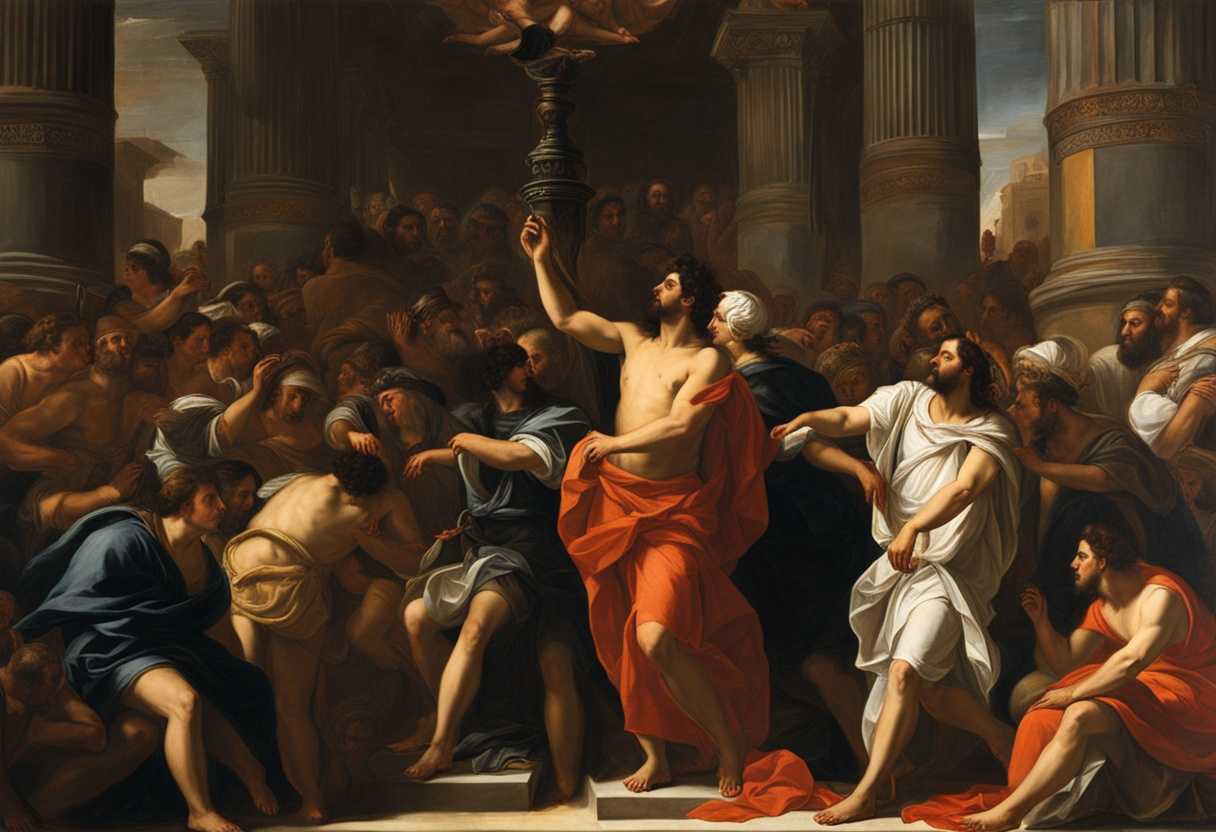
Setting the Scene for Exodus 1:8
In Exodus chapter 1, we find the scene set in the land of Egypt during a time when the Israelites had multiplied greatly and had become a powerful nation within the land. Pharaoh, the ruler of Egypt, had become concerned about the growing number of Israelites and feared that they might become a threat to his kingdom. In response to this fear, Pharaoh decided to oppress the Israelites by imposing harsh labor upon them and treating them as slaves.
Among the key figures in this scene are Pharaoh, the ruler of Egypt, and the Israelites who had settled in the land. The Israelites had originally come to Egypt during a time of famine seeking refuge and had eventually grown into a large community. As they multiplied, Pharaoh began to see them as a potential threat to his power and authority, leading to the oppressive measures he imposed upon them.
The surroundings in this scene would likely be the vast and grandiose palaces and cities of ancient Egypt, with the Israelites toiling under the harsh conditions imposed upon them by Pharaoh. The tension and fear in the air would be palpable as Pharaoh’s oppressive measures intensified, setting the stage for the events that would eventually lead to the Israelites’ exodus from Egypt.
What is Exodus 1:8 about?
This verse in Exodus marks a pivotal moment in the story of the Israelites. Pharaoh’s decision to oppress the Israelites sets the stage for their eventual deliverance by God through Moses. It signals the beginning of a period of suffering and hardship for the Israelites, but also foreshadows the miraculous intervention and liberation that is to come. This verse sets the scene for a powerful narrative of struggle, perseverance, and ultimately, redemption as we reflect on it. Pharaoh’s oppressive actions reveal the depths of human cruelty and injustice, but they also pave the way for the revelation of God’s power and mercy. Through the character of Moses, we witness how God can work through ordinary individuals to bring about extraordinary change and freedom. Consider how this verse signifies the unfolding drama of the Israelites’ journey from slavery to freedom. How does it challenge us to confront systems of oppression and stand in solidarity with those who are marginalized? How does it inspire us to trust in God’s ability to bring about justice and liberation in the face of seemingly insurmountable odds? We will delve deeper into the layers of meaning and symbolism in this verse, drawing strength and wisdom from its timeless message of hope and transformation.
Understanding what Exodus 1:8 really means
In Exodus 1:8, we witness a pivotal moment in the history of the Israelites as a new Pharaoh arises in Egypt, one who did not know Joseph. This seemingly simple statement holds profound implications for the Israelites, marking a shift from a time of favor to one of oppression. The narrative sets the stage for the hardships the Israelites would face and ultimately their deliverance by God in the Exodus.
This transition from a Pharaoh who honored Joseph to one who disregarded his legacy serves as a stark reminder of the transient nature of human favor and power. It prompts us to reflect on the unpredictability of leadership and the potential for drastic changes in our circumstances. Just as the Israelites experienced a change in their political landscape, we too may encounter unexpected shifts in our lives that challenge us to rely on faith and resilience.
The verse invites us to consider how we respond to changes in leadership or situations that impact us. Have you faced a scenario where a shift in authority or circumstances left you feeling anxious or oppressed? Reflecting on these experiences can help us draw parallels to the Israelites’ plight and find strength in trusting God’s plan even amidst uncertainty.
“A new king who did not know Joseph” encapsulates not just a change in leadership but also a loss of historical memory and gratitude. It underscores the importance of honoring those who have positively influenced our lives and communities. This phrase serves as a poignant reminder of the significance of acknowledging and preserving the contributions of those who came before us.
In our modern context, we can relate to the Israelites’ situation through various life experiences, such as changes in workplace dynamics. Imagine a scenario where a beloved manager retires, and a new, less understanding manager takes over, causing anxiety and oppression among employees. This parallel encourages us to lean on our faith and trust in God’s sovereignty, even when human leadership fails us.
As we contemplate the implications of Exodus 1:8, we are prompted to reflect on the broader themes of remembrance, resilience, and trust in God’s ultimate plan. Just as the Israelites navigated through uncertain times, we are called to honor the past, find strength in adversity, and have faith in the providence of God, even when faced with challenging circumstances.
How can we compassionately treat strangers in need?
Compassionately treating strangers in need starts with recognizing their humanity and inherent worth. When we encounter those who are vulnerable or in need, we can respond with empathy, kindness, and a willingness to help. This may involve extending a helping hand, providing material support, or simply offering a listening ear and a compassionate presence. Approaching strangers in need with love and compassion can create a sense of connection and solidarity that transcends boundaries of difference and fosters a more caring and inclusive community. Practicing active kindness and compassion is essential in our interactions with strangers facing challenges or adversity. This means looking beyond stereotypes or preconceived notions and responding to their specific needs with sensitivity and understanding. We affirm their dignity and value as fellow human beings by showing genuine care and empathy, alleviating their immediate suffering. Through acts of compassion and generosity, we can cultivate a more compassionate and interconnected world where strangers in need are met with understanding, support, and solidarity. Treating strangers in need with compassion ultimately reflects our shared humanity and interconnectedness. We acknowledge the common dignity and worth that unites us all by offering support and assistance to those who are vulnerable or marginalized. Through acts of kindness, generosity, and empathy, we can build a more compassionate society where strangers are welcomed with open hearts and minds, and where collective efforts towards justice and kindness can flourish.
Application
Let’s heed the lessons from Exodus 1:8 and be the champions against injustice in our modern times. Every challenge faced by the marginalized today demands our action and voice. Just as we safeguard our work and family, let’s shield those who are oppressed in our society. Will you rise to the occasion and be the change-maker our world needs?

Reverend Michael Johnson is an experienced Church Minister with a profound expertise in spirituality and guidance. With a serene presence and a compassionate heart, he has faithfully served his congregation for over 20 years, leading them on a spiritual journey towards inner peace and enlightenment. Reverend Johnson’s extensive knowledge of religious philosophies and profound understanding of human nature have made him a trusted confidant and mentor to many, as he seamlessly weaves his profound wisdom into life teachings. Reverend Johnson’s calming demeanor and empathetic nature continue to uplift and heal souls, nurturing a sense of unity and tranquility within his community.