
Exodus 20:2-6 is about God’s commandment against the worship of idols and the importance of loyalty and devotion solely to Him, promising both blessings and consequences for those who choose to follow or disobey this commandment.
2 “I am the Lord your God, who brought you out of the land of Egypt, out of the house of slavery.
3 “You shall have no other gods before me.
4 “You shall not make for yourself a carved image, or any likeness of anything that is in heaven above, or that is in the earth beneath, or that is in the water under the earth.
5 You shall not bow down to them or serve them, for I the Lord your God am a jealous God, visiting the iniquity of the fathers on the children to the third and the fourth generation of those who hate me,
6 but showing steadfast love to thousands of those who love me and keep my commandments.
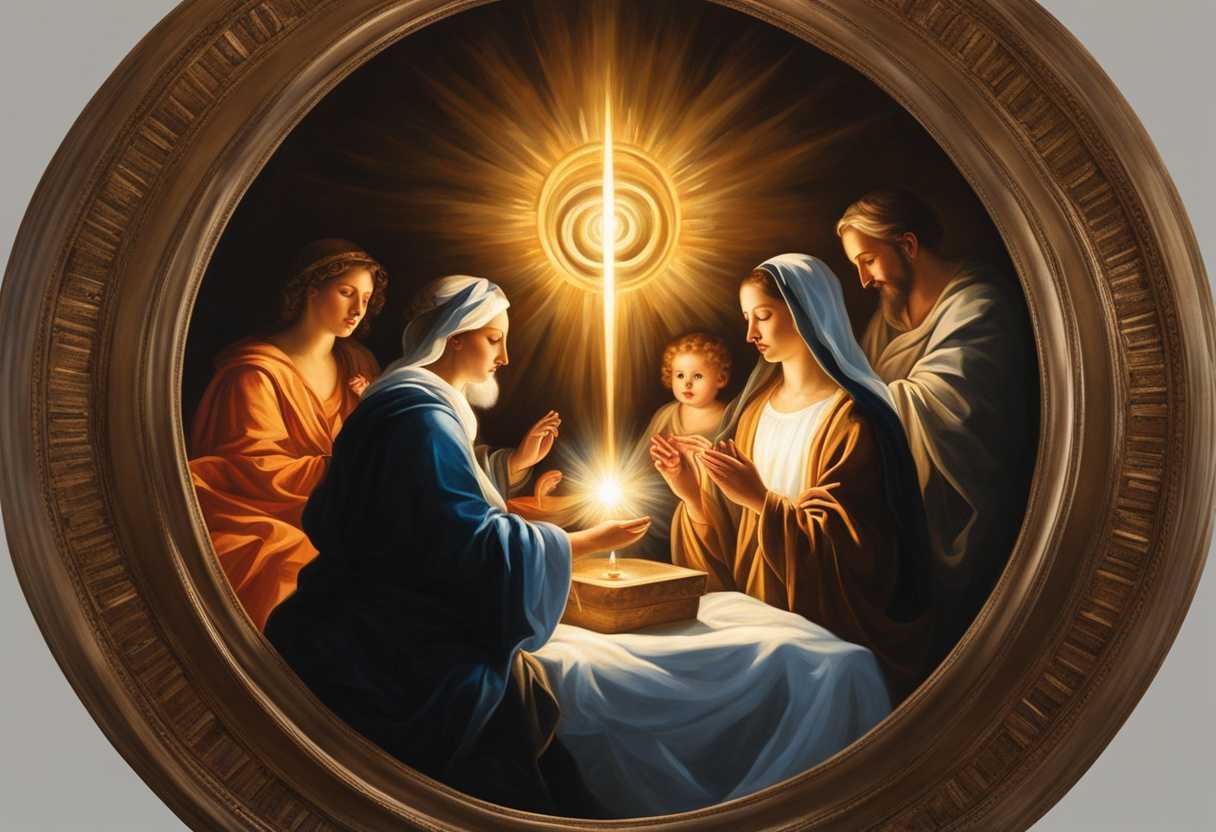
Setting the Scene for Exodus 20:2-6
The scene in Exodus 20:2-6 takes place at the foot of Mount Sinai, where the Israelites have just been led out of Egypt by Moses. The Israelites have been wandering in the wilderness for some time now, and they have finally arrived at the mountain where God is going to give them the Ten Commandments. The atmosphere is charged with anticipation and awe as the people gather around the base of the mountain, eager to hear from their God.
Moses, the leader chosen by God to deliver His message to the people, stands at the forefront, his face radiant from being in the presence of the Almighty. The Israelites, a vast multitude of men, women, and children, are spread out before him, their eyes fixed on the mountain where God’s presence is about to descend. The air is still, the only sound being the murmurs of the people as they wait for the divine revelation.
As the cloud descends upon the mountain and the thunder begins to rumble, the people feel a mixture of fear and reverence. They know that they are about to receive the commandments that will guide their lives and shape their relationship with God. In this moment, the Israelites are united in their faith and their commitment to follow the laws that will be given to them.
What is Exodus 20:2-6 about?
God establishes the most fundamental commandment for His people in Exodus 20:2-6: to have no other gods before Him. This commandment lays the foundation of faith, loyalty, and devotion to God alone. It emphasizes the exclusive relationship between God and His people, highlighting the importance of putting Him above all else in our lives. God reveals His jealousy for His people’s love and worship by declaring Himself as the only true God, showing that He desires wholehearted commitment from those who follow Him.
This commandment challenges us to reflect on where we place our value, trust, and allegiance. Do we prioritize God above all other aspects of our lives, or do we allow other things to take precedence? It invites us to evaluate our hearts and consider if there are any idols or distractions that we have allowed to come before God in our lives. This commandment ultimately serves as a reminder of the central place that God should hold in our hearts and minds, urging us to seek Him first in all things and to worship Him alone with pure and undivided devotion.
Understanding what Exodus 20:2-6 really means
In the context of the Ten Commandments, given by God to Moses on Mount Sinai, Exodus 20:2-6 holds significant importance as it lays the foundation for the relationship between God and His people, emphasizing worship and loyalty. The opening statement, “I am the Lord your God, who brought you out of Egypt, out of the land of slavery,” establishes God’s authority and role as a deliverer. This declaration reminds us of God’s power and faithfulness in delivering us from our personal struggles, akin to the Israelites’ deliverance from Egypt.
The command to have no other gods before the Lord calls for exclusive worship and loyalty to God, amidst a world filled with distractions and competing priorities. This directive urges us to focus our devotion solely on God, as reiterated in related passages like Matthew 4:10 and 1 Corinthians 8:6. The prohibition against making images for worship emphasizes the futility of idolatry, highlighting that God cannot be confined to physical forms. This command encourages us to seek a genuine relationship with God rather than relying on material representations, as seen in passages like Isaiah 42:8 and Acts 17:29.
The warning against bowing down to idols underscores God’s jealousy for His people’s devotion and the consequences of turning away from Him. This serves as a reminder of the importance of faithfulness to God, as depicted in related passages such as Deuteronomy 4:24 and Nahum 1:2. Conversely, the promise of showing love to a thousand generations of those who love and obey God contrasts the punishment for disobedience with the blessings for obedience. This offers hope and encouragement, showcasing God’s enduring love and blessings beyond immediate circumstances, as reflected in passages like Deuteronomy 7:9 and Psalm 103:17-18.
In applying these verses to modern life, we are reminded of the significance of prioritizing our relationship with God amidst contemporary distractions and temptations. Consider the anecdote of an individual consumed by their career, neglecting family and spiritual life, only to find emptiness and rediscover purpose through returning to God. This narrative mirrors the call to put God first and avoid modern-day “idols” such as career, money, or status. In conclusion, Exodus 20:2-6 calls us to acknowledge God’s authority, shun idolatry, and remain faithful, promising blessings for obedience. Reflect on your life and identify any “idols” that may hinder your relationship with God, striving to prioritize Him above all else.
How can we ensure we worship God alone?
To ensure we worship God alone, we must understand the meaning behind the verse. It emphasizes that we should have no other gods before God, recognize Him as the only true God, and not bow down or worship any other gods. This is a reminder that our worship and devotion should be solely directed towards God, without any partners or intermediaries.
To truly worship God alone, we should strive to make Him the center of our lives and put our complete trust and reliance on Him. This involves not turning to anyone or anything else for guidance, support, or solutions in times of need. We demonstrate our sincere commitment to worshiping God alone by prioritizing our relationship with Him above all else and seeking His guidance in all aspects of our lives.
Furthermore, maintaining a consistent prayerful connection with God, seeking His forgiveness, and constantly striving to improve our relationship with Him can help reinforce our commitment to worshiping Him alone. We can ensure that we are always seeking to please God and fulfill our purpose of worshiping Him without associating partners with Him by being mindful of our actions, intentions, and thoughts.
Application
Just as we prioritize our work and family in this fast-paced world, let us also prioritize our relationship with God. Let’s ensure that nothing else takes precedence over our worship and devotion to Him. Take a moment to reflect on whether you are truly giving God the respect and honor He rightfully deserves. Are you putting God first in your life?

Reverend Michael Johnson is an experienced Church Minister with a profound expertise in spirituality and guidance. With a serene presence and a compassionate heart, he has faithfully served his congregation for over 20 years, leading them on a spiritual journey towards inner peace and enlightenment. Reverend Johnson’s extensive knowledge of religious philosophies and profound understanding of human nature have made him a trusted confidant and mentor to many, as he seamlessly weaves his profound wisdom into life teachings. Reverend Johnson’s calming demeanor and empathetic nature continue to uplift and heal souls, nurturing a sense of unity and tranquility within his community.