
8 “Remember the Sabbath day, to keep it holy.
9 Six days you shall labor, and do all your work,
10 but the seventh day is a Sabbath to the Lord your God. On it you shall not do any work, you, or your son, or your daughter, your male servant, or your female servant, or your livestock, or the sojourner who is within your gates.
11 For in six days the Lord made heaven and earth, the sea, and all that is in them, and rested on the seventh day. Therefore the Lord blessed the Sabbath day and made it holy.
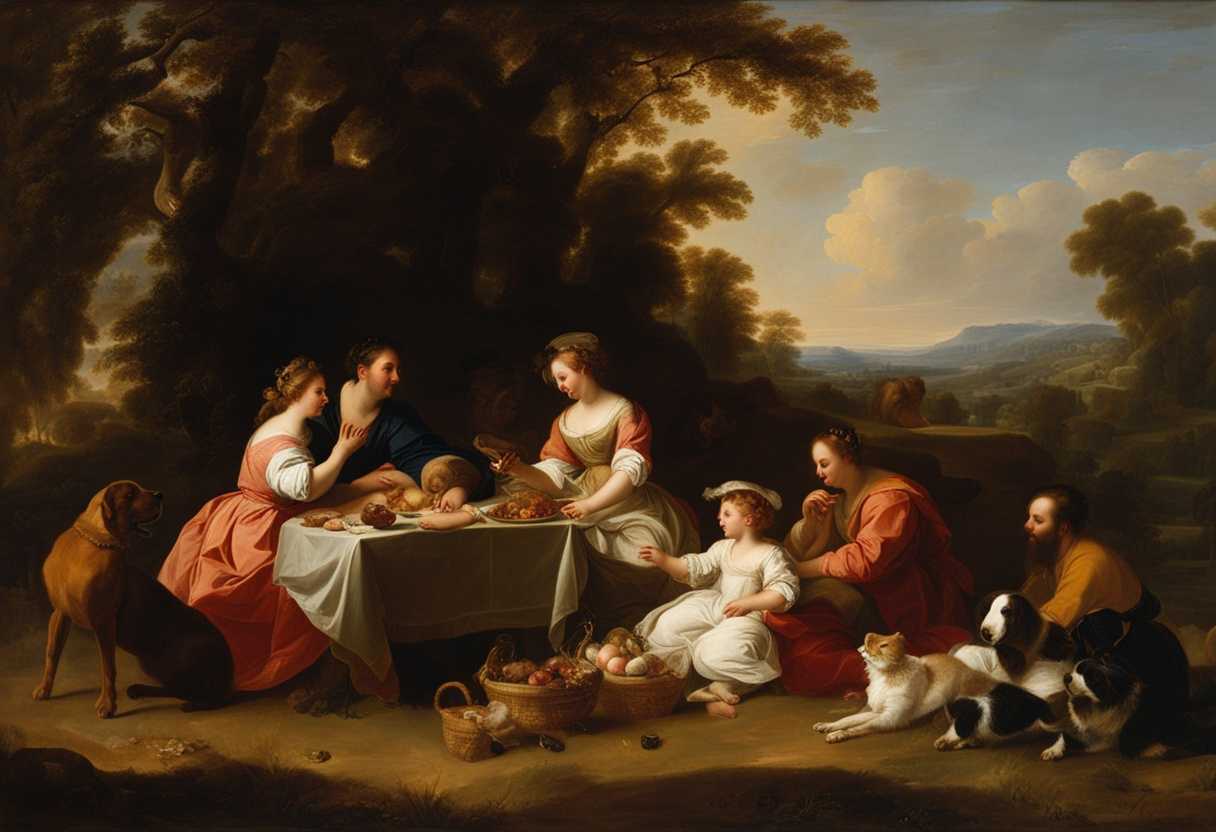
Setting the Scene for Exodus 20:8-11
In Exodus 20:8-11, we find ourselves in the wilderness at the foot of Mount Sinai. The Israelites have been freed from slavery in Egypt by the mighty hand of God through various miraculous signs and wonders. Moses, their leader, has ascended the mountain to receive the Ten Commandments directly from God. The Israelites have been instructed to consecrate themselves and prepare for the awesome presence of the Lord.
As the sun begins to set, a hush falls over the camp as the people gather at the base of the mountain. The air is charged with anticipation and reverence as they await the return of Moses. The mountain looms large and imposing in the fading light, a tangible reminder of the power and majesty of the God who has brought them out of bondage. The sound of the wind rustling through the desert brush is the only noise, as the people stand in awe of the momentous occasion unfolding before them.
In this sacred moment, the Israelites are reminded of their covenant relationship with God and the importance of honoring the Sabbath day. The commandment to remember the Sabbath and keep it holy is given as a sign of their special relationship with the Lord, a day set apart for rest and worship. As they stand at the foot of the mountain, surrounded by the vast expanse of the wilderness, the Israelites are called to reflect on the goodness and faithfulness of God who has brought them this far on their journey to the Promised Land.
What is Exodus 20:8-11 about?
Imagine a day dedicated to rest and honoring the creator of the universe. The concept of the Sabbath day is about setting aside time to connect with God, to reflect on His goodness, and to rejuvenate your spirit. Observing the Sabbath gives you the gift of rest and renewal, allowing for both physical and spiritual rejuvenation.
Why is it important to rest and worship God? When we take time to rest, we acknowledge our human limitations and our need for renewal. Worshiping God on the Sabbath is a way of showing gratitude and recognizing His role as the ultimate creator and sustainer of all life. By following this commandment, you prioritize not only your relationship with God but also your own well-being. So, as you observe the Sabbath day, remember to focus on rest, reflection, and worship, and allow yourself to experience the peace that comes from honoring this sacred time.
Understanding what Exodus 20:8-11 really means
Structure for Commentary
- Introduction to the passage
- Explanation of the key phrases
- Cross-references to other Bible verses
- Relevance to contemporary life
- Anecdote to illustrate the message
- Conclusion and reflection
Commentary on Exodus 20:8-11
Introduction to the Passage
The passage from Exodus 20:8-11 is part of the Ten Commandments, focusing on the Sabbath day. It emphasizes the importance of setting aside time for rest and worship. This commandment is unique because it not only instructs but also provides the rationale behind the command. The passage begins with “Remember the Sabbath day, to keep it holy.”” The word “remember” indicates that this is something already known but perhaps forgotten or neglected. “Keep it holy” means to set it apart for sacred purposes, not just for physical rest but for spiritual renewal.
The following verses explain that this rest is for everyone: “You, your son, your daughter, your male servant, your female servant, your livestock, and the sojourner…” This inclusivity highlights that rest and worship are universal needs, not just privileges for a select few.
Cross-References to Other Bible Verses
Genesis 2:2-3 provides the foundation for this commandment by showing that God Himself rested on the seventh day after creation. Jesus also speaks about the Sabbath in Mark 2:27, saying, “The Sabbath was made for man, not man for the Sabbath.” This indicates that the Sabbath is a gift meant to benefit humanity, not a burden. The idea of taking a day for rest and worship might seem impractical in today’s fast-paced world. However, the principle behind the commandment is more relevant than ever. We live in a culture that often glorifies busyness, leading to burnout and stress. Observing a day of rest can be a form of resistance against this culture, reminding us of our need for physical and spiritual renewal. A busy professional decided to observe the Sabbath more faithfully. Initially, they found it challenging to disconnect from work and responsibilities. However, over time, they noticed that this day of rest made them more productive and less stressed during the week. Their relationships improved, and they felt a renewed sense of purpose and connection to God.
Conclusion and Reflection
This passage calls us to consider how we can incorporate the principle of the Sabbath into our lives. It’s not just about following a rule; it’s about recognizing our need for rest and spiritual renewal. How might you set aside time in your week to “keep it holy”? What changes could you make to ensure that you, and those around you, experience the rest and worship that God intends? Let’s remember that the Sabbath is a gift from God, designed to benefit us in profound ways as we reflect on this passage. It’s an invitation to step back from our daily grind and reconnect with what truly matters.
How can we truly honor the Sabbath day?
To truly honor the Sabbath day, we must remember the significance of resting and dedicating that day to the Lord. This means setting aside all work and focusing on spiritual renewal and connection with God. We show our trust in God’s provision and acknowledge His role as our ultimate provider and sustainer by refraining from our usual tasks and responsibilities.
Additionally, honoring the Sabbath involves not only ceasing from work but also actively seeking ways to worship and draw closer to God. This can include attending church services, spending time in prayer and meditation, studying scripture, and engaging in acts of service and kindness. We demonstrate our commitment to deepening our relationship with God and following His command to set this day apart for Him by prioritizing these spiritual practices on the Sabbath. Honoring the Sabbath ultimately recognizes the importance of rest, worship, and spiritual rejuvenation in our lives. It is a time to step back from the busyness of the world and prioritize our relationship with God above all else. Through this intentional observance of the Sabbath, we not only obey God’s commandments but also experience the blessings of true rest and spiritual renewal in our lives.
Application
Imagine your life as a smartphone that needs recharging. As a follower of Christ, the Sabbath is your ultimate power source. It’s a divine command to unplug from your busy world of work and family and recharge with God. Honor this sacred day by resting and reflecting on your faith. Will you embrace the Sabbath to renew your spirit and strengthen your bond with God?

Reverend Michael Johnson is an experienced Church Minister with a profound expertise in spirituality and guidance. With a serene presence and a compassionate heart, he has faithfully served his congregation for over 20 years, leading them on a spiritual journey towards inner peace and enlightenment. Reverend Johnson’s extensive knowledge of religious philosophies and profound understanding of human nature have made him a trusted confidant and mentor to many, as he seamlessly weaves his profound wisdom into life teachings. Reverend Johnson’s calming demeanor and empathetic nature continue to uplift and heal souls, nurturing a sense of unity and tranquility within his community.