
26 The best of the firstfruits of your ground you shall bring to the house of the Lord your God.
Setting the Scene for Exodus 34:26
In Exodus 34, we find Moses on Mount Sinai, having just received the Ten Commandments from God. As he descends the mountain, he is accompanied by Joshua, his faithful assistant. The two men make their way down the rugged terrain, the sun casting a warm glow over the vast desert landscape below. The air is filled with a sense of reverence and awe, as the weight of the divine encounter lingers in their hearts.
As they reach the base of the mountain, they are greeted by the rest of the Israelites, who have been eagerly awaiting their return. The people gather around Moses and Joshua, their faces filled with curiosity and anticipation. Moses holds in his hands the tablets inscribed with the commandments, a tangible symbol of God’s covenant with His people. The scene is one of solemnity and significance, as the Israelites prepare to hear the words that will guide their lives and shape their relationship with God.
Amidst the backdrop of the rugged mountain and the vast desert expanse, Moses stands as a humble yet powerful figure, chosen by God to lead His people. The Israelites, a diverse and numerous group, stand before him, their eyes fixed on the tablets that hold the key to their future. In this pivotal moment, the stage is set for a profound encounter between God and His chosen people, as they prepare to embark on a journey of faith and obedience.
What is Exodus 34:26 about?
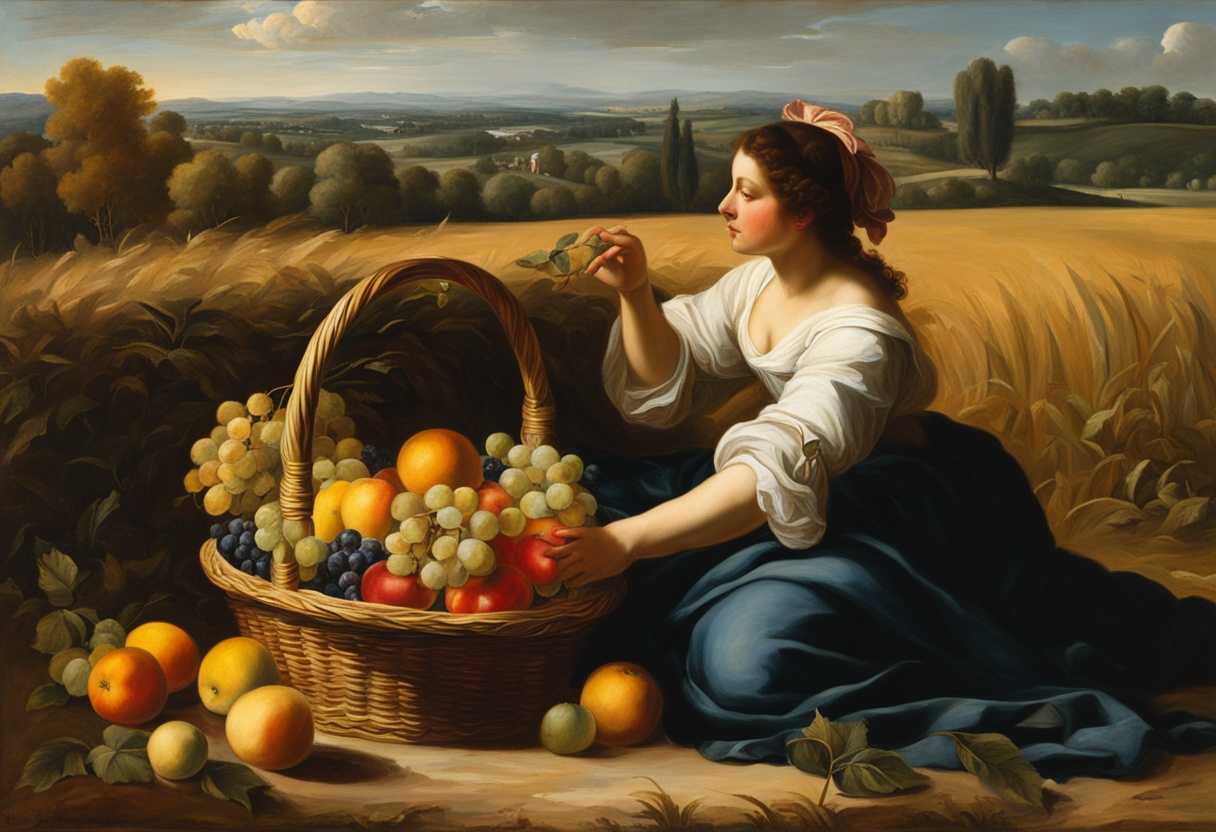
This verse encourages us to honor God by giving Him the first and best of what we have. The firstfruits in the context of the land refer to the initial and most excellent produce that is harvested. We demonstrate our gratitude, obedience, and acknowledgment of His provision in our lives by offering the firstfruits to the Lord. This act of giving back can symbolize our trust in God’s continued blessings and care for us. We can consider the deeper meaning behind the principle of giving our firstfruits as we reflect on this verse. It challenges us to prioritize God in all aspects of our lives, including our possessions and resources. We recognize that everything we have ultimately belongs to God and that we are merely stewards of His blessings by offering the firstfruits. This practice of giving back to God from the very beginning also helps us cultivate a spirit of generosity, humility, and faithfulness in our relationship with Him.
So, let’s ponder on this verse and think about how we can apply the principle of offering our firstfruits in our lives today. How can we prioritize God in our choices and actions? How can we show our gratitude and trust in Him through our giving? We honor God and grow in our understanding of His goodness and faithfulness towards us by embracing this practice.
Understanding what Exodus 34:26 really means
Structure for the Commentary
- Introduction: Briefly introduce the verse and set the context within the larger biblical narrative.
- Key Phrases Explanation: Highlight key phrases in the verse and explain their meanings.
- Biblical Connections: Reference other scriptures that complement or enhance the understanding of this verse.
- Relevance Today: Discuss why this verse is important and how it applies to modern life.
- Anecdote: Provide a relevant story or example to illustrate the verse’s principles in action.
- Conclusion: Summarize the main points and encourage readers to reflect on and apply the verse.
Commentary
Introduction
Exodus 34:26 belongs to a segment of scripture where God is giving Moses renewed tablets of the covenant. This verse focuses on specific directives related to living out the covenant in practical ways. It provides vital insights into how the Israelites were instructed to honor God through their daily lives and offerings.
Key Phrases Explanation
One of the key phrases in this verse is “the best of the firstfruits.” This mandate underscores the principle of giving God the first and the best of what we produce, not the leftovers. It reflects a heart of gratitude and acknowledgment that everything we have is ultimately from God. It also emphasizes the importance of prioritizing God in every aspect of life, including our labor and harvest.
Another significant phrase is “the house of the LORD your God.” This indicates that our offerings should be directed toward God’s designated place of worship. It’s a call to communal worship and dedication, reinforcing the idea that our relationship with God is lived out both individually and within a faith community.
Biblical Connections
This verse has profound connections to passages like Proverbs 3:9, which says, “Honor the Lord with your wealth and with the firstfruits of all your produce.” It aligns with the narrative of Cain and Abel in Genesis 4, where Abel’s offering of the firstborn of his flock was respected by God due to its sincerity and priority. Practicing this kind of offering reinforces our understanding of trust and dependence on God. The principle of giving God our “firstfruits” can extend beyond agricultural produce to all areas of our lives in today’s world. Are we prioritizing our time, talents, and resources for God’s kingdom? This verse challenges us to reflect on how we allocate what we have, urging us to place God first in our decisions and daily activities. The concept is timeless because it brings us back to the centrality of worship and gratitude in our relationship with God.
Anecdote
I recall a member of our congregation who started setting aside the first hour of his day for prayer and Bible reading, despite his busy schedule. Initially, he found it difficult, but over time, he realized that this practice changed his perspective and brought a sense of peace and direction to his day. It’s a modern parallel to offering the “firstfruits” of his time, demonstrating how prioritizing God can transform our lives.
Conclusion
Exodus 34:26 serves as a powerful reminder to prioritize God in our lives, giving Him our best and acknowledging His provision. This principle is woven throughout the Bible and remains relevant for us today. Let’s consider how we can offer the “firstfruits” of our time, energy, and resources to God as we reflect on this verse, ensuring that He holds the primary place in our hearts and lives. How will you apply this principle in your daily routine?
How can we offer our best to God?
We can offer our best to God by bringing the firstfruits of the produce of our land to Him. This act symbolizes giving God our initial and most precious offerings, showing our gratitude and acknowledgment of His provision in our lives. We demonstrate our trust in God’s faithfulness and provide a tangible expression of honor towards Him by presenting these firstfruits.
Furthermore, offering our best to God goes beyond physical offerings or sacrifices. It also involves presenting our hearts, minds, and spirits in worship and obedience to Him. This means giving God the first place in our lives, prioritizing Him above all else, and dedicating our actions, thoughts, and intentions to bring glory to His name. We can truly offer our best to God by giving Him our whole selves and living in accordance with His will.
Application
Think about pouring the first cup of coffee in the morning – that rich, aromatic first pour is precious. Now, imagine honoring God with that “first pour” of your resources, acknowledging Him for giving you everything you have. Just like you prioritize your family and work, prioritize God by offering Him your first and best. Will you take that step and place your trust in God’s unwavering faithfulness and provision?

Reverend Michael Johnson is an experienced Church Minister with a profound expertise in spirituality and guidance. With a serene presence and a compassionate heart, he has faithfully served his congregation for over 20 years, leading them on a spiritual journey towards inner peace and enlightenment. Reverend Johnson’s extensive knowledge of religious philosophies and profound understanding of human nature have made him a trusted confidant and mentor to many, as he seamlessly weaves his profound wisdom into life teachings. Reverend Johnson’s calming demeanor and empathetic nature continue to uplift and heal souls, nurturing a sense of unity and tranquility within his community.