
Exodus 40:9-16 is about the consecration and purification of the tabernacle, symbolizing the importance of creating a sacred space for worship and the presence of God among His people.
9 Then you shall take the anointing oil and anoint the tabernacle and all that is in it, and consecrate it and all its furniture, so that it may become holy.
10 You shall anoint the altar of burnt offering and all its utensils, and consecrate the altar, so that the altar may become most holy.
11 And you shall anoint the basin and its stand, and consecrate it.
12 Then you shall bring Aaron and his sons to the entrance of the tent of meeting and shall wash them with water.
13 And put the holy garments on Aaron, and anoint him and consecrate him, that he may serve me as priest.
14 He put the poles into the rings on the sides of the ark to carry the ark.
15 and anoint them, as you anointed their father, that they may serve me as priests. And their anointing shall admit them to a perpetual priesthood throughout their generations.”
16 This Moses did; according to all that the Lord commanded him, so he did.
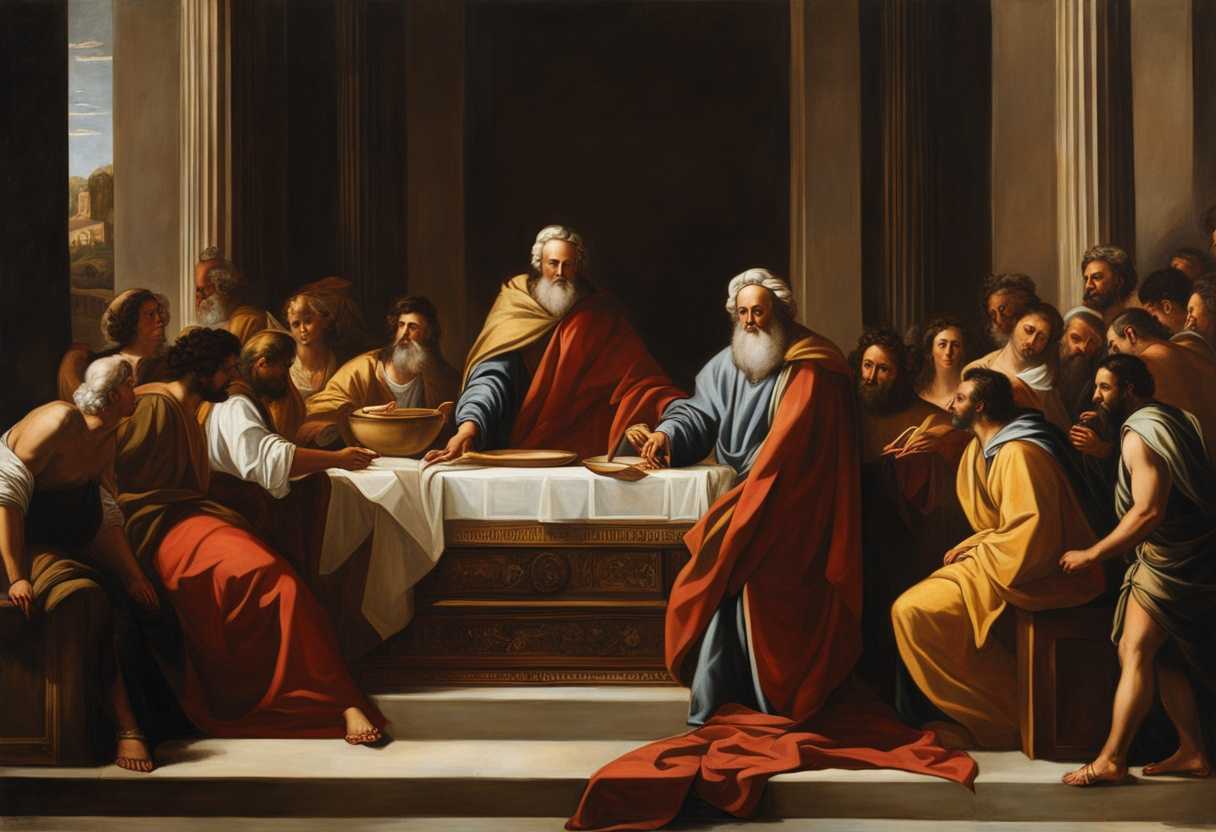
Setting the Scene for Exodus 40:9-16
In Exodus chapter 40, we find Moses and the Israelites in the wilderness at the foot of Mount Sinai. The scene is set as the Tabernacle, a sacred tent, is being erected according to the detailed instructions given by God. The Israelites have been wandering in the wilderness for some time now, and this moment marks the culmination of their journey towards establishing a place of worship for the Lord.
Moses, the revered leader of the Israelites, is overseeing the construction of the Tabernacle with the help of skilled craftsmen and priests. The atmosphere is filled with a sense of reverence and anticipation as each element of the Tabernacle is carefully put in place. The Israelites, who have witnessed numerous miracles and divine interventions, are now witnessing the physical manifestation of God’s presence among them.
The surroundings are stark and desert-like, with the majestic Mount Sinai looming in the background. The Tabernacle itself is a sight to behold, with its intricately woven curtains, golden furnishings, and sacred vessels. As the final touches are made to the Tabernacle, a sense of awe and holiness descends upon the camp, signaling the beginning of a new chapter in the spiritual journey of the Israelites.
What is Exodus 40:9-16 about?
The detailed instructions for setting up the tabernacle as a place for God’s presence among the Israelites are given in this verse. The tabernacle was a sacred tent where God would dwell among His people during their time in the wilderness. It was a physical representation of God’s presence among them and a place for them to worship and commune with Him.
The meticulous instructions serve as a blueprint for constructing the tabernacle, specifying every detail from the materials to the dimensions to the placement of each component. This demonstrates the importance of reverence and meticulousness in creating a space for God’s presence. The Israelites were expected to have care and attention to detail in setting up this sacred space as you read through these instructions. Reflect on the significance of creating a space where God’s presence could dwell among His people and how these instructions symbolize the importance of honoring and respecting God in our worship and daily lives.
Understanding what Exodus 40:9-16 really means
In Exodus 40:9-16, we delve into the intricate details of consecrating the Tabernacle and ordaining Aaron and his sons as priests. This passage is not merely a historical account but a profound lesson in the significance of holiness and dedication in worship. The Tabernacle, a portable sanctuary, symbolized God’s presence among the Israelites during their wilderness journey, emphasizing the sacredness of their worship space.
The use of “anointing oil” in these verses symbolizes the Holy Spirit and the act of setting apart individuals or objects for divine purposes. It signifies a consecration, a sanctification that designates something exclusively for God’s service. Every aspect of the Tabernacle and its furnishings was to be consecrated, highlighting the importance of purity and holiness in worship. This act of consecration was not merely a ritual but a tangible expression of the Israelites’ commitment to honoring God.
The anointing of Aaron and his sons as priests was a pivotal moment, signifying their unique role as mediators between God and the people. Through this ordination, they were set apart for a lifetime of service to God. This formal ceremony underscored the gravity of their calling and the solemn responsibility that came with it. It serves as a reminder of the dedication and commitment required in serving God faithfully.
Drawing parallels to our modern context, these ancient practices of consecration and ordination hold relevance for believers today. Just as the Tabernacle represented God’s presence among His people, our bodies are now temples of the Holy Spirit, calling us to live lives dedicated to God’s service. The anointing of Aaron and his sons foreshadows the calling and equipping of all believers for various ministries within the church, emphasizing the importance of each individual’s role in God’s kingdom work.
Consider a cherished family heirloom passed down through generations, treasured for its history and significance. Similarly, the Tabernacle and the priests were revered because they symbolized something far greater—God’s presence and His redemptive plan. This analogy underscores the reverence and respect with which we should approach our worship and service to God, recognizing the sacredness of our calling as His chosen people.
In conclusion, Exodus 40:9-16 prompts us to reflect on the importance of consecrating our lives to God and living in a manner that reflects His holiness. It points us to Jesus Christ, the ultimate High Priest, who consecrates us through His sacrifice and calls us to be a holy people. As we navigate our daily lives, may we strive to honor God in all we do, acknowledging that we are set apart for His divine purposes.
How can we ensure God’s presence in our lives?
To ensure God’s presence in our lives, we can follow the guidance given in this verse by setting up the tabernacle according to God’s instructions. This signifies the importance of creating a sacred space where we can connect with God through prayer, worship, and meditation. We can create spiritual spaces in our lives by being mindful of our thoughts, actions, and surroundings, just as the tabernacle was a physical symbol of God’s presence among the Israelites.
Furthermore, like the anointing of the tabernacle and its furnishings, we can invite God into our lives through prayer and consecration. We create a sacred atmosphere where His presence can dwell by dedicating our hearts, minds, and actions to God. Through acts of worship, praise, and obedience, we can cultivate a deeper relationship with God and experience His presence in our daily lives. We can ensure God’s presence in our lives by following the example set forth in Exodus 40:9-16, being intentional about our spiritual practices, creating sacred spaces for connection with Him, and dedicating ourselves to His service. We too can establish a relationship with the Almighty through faith, humility, and reverence, just as the tabernacle was a place of worship and encounter with God for the Israelites.
Application
Just like building the tabernacle required careful attention and obedience, our lives too need meticulous planning and dedication to God’s will. Take a moment to ponder: are you truly giving your all in your journey with Him, your life’s greatest project? Let’s be like Moses, steadfast in our commitment to following God’s word in both our personal and professional lives. Align your actions with His divine guidance, let it shape your every decision. Will you rise to the challenge with unwavering determination to walk the path laid out by Him?

Reverend Michael Johnson is an experienced Church Minister with a profound expertise in spirituality and guidance. With a serene presence and a compassionate heart, he has faithfully served his congregation for over 20 years, leading them on a spiritual journey towards inner peace and enlightenment. Reverend Johnson’s extensive knowledge of religious philosophies and profound understanding of human nature have made him a trusted confidant and mentor to many, as he seamlessly weaves his profound wisdom into life teachings. Reverend Johnson’s calming demeanor and empathetic nature continue to uplift and heal souls, nurturing a sense of unity and tranquility within his community.