
1 Then the Lord said to Moses:
2 He shall set up the court all around the tabernacle and the altar, and shall hang up the screen at the gate of the court.
3 Then you shall put the ark of the testimony in it and screen the ark with the veil.
4 You shall bring in the table and arrange it, and you shall bring in the lampstand and set up its lamps.
5 And you shall set the altar of gold for the incense before the ark of the testimony, and set up the screen for the door of the tabernacle.
6 And you shall set the altar of burnt offering before the entrance of the tabernacle of the tent of meeting, and place the basin between the tent of meeting and the altar, and put water in it.
7 And you shall set the basin between the tent of meeting and the altar, and put water in it.
8 And you shall set up the court all around, and hang up the screen for the gate of the court.
9 Then you shall take the anointing oil and anoint the tabernacle and all that is in it, and consecrate it and all its furniture, so that it may become holy.
10 You shall anoint the altar of burnt offering and all its utensils, and consecrate the altar, so that the altar may become most holy.
11 And you shall anoint the basin and its stand, and consecrate it.
12 Then you shall bring Aaron and his sons to the entrance of the tent of meeting and shall wash them with water.
13 And put the holy garments on Aaron, and anoint him and consecrate him, that he may serve me as priest.
14 He put the poles into the rings on the sides of the ark to carry the ark.
15 and you shall anoint them, as you anointed their father, that they may serve me as priests. And their anointing shall admit them to a perpetual priesthood throughout their generations.”
16 This Moses did; according to all that the Lord commanded him, so he did.
17 In the first month in the second year, on the first day of the month, the tabernacle was erected.
18 Moses erected the tabernacle. He laid its bases, and set up its frames, and put in its poles, and raised up its pillars.
19 He spread the tent over the tabernacle and put the covering of the tent over it, as the Lord had commanded Moses.
20 He took the testimony and put it into the ark, and put the poles on the ark and set the mercy seat above on the ark.
21 And he brought the ark into the tabernacle and set up the veil of the screen, and screened the ark of the testimony, as the Lord had commanded Moses.
22 He put the table in the tent of meeting, on the north side of the tabernacle, outside the veil,
23 And he set the bread in order on it before the Lord, as the Lord had commanded Moses.
24 He put the lampstand in the tent of meeting, opposite the table on the south side of the tabernacle.
25 And he set the lampstand in the tent of meeting, opposite the table on the south side of the tabernacle.
26 And he put the golden altar in the tent of meeting before the veil,
27 And he burned sweet incense on it, as the Lord had commanded Moses.
28 And he set the altar of burnt offering at the entrance of the tabernacle of the tent of meeting, and offered on it the burnt offering and the grain offering, as the Lord had commanded Moses.
29 And he set the altar of burnt offering at the entrance of the tabernacle of the tent of meeting, and offered on it the burnt offering and the grain offering, as the Lord had commanded Moses.
30 He set the basin between the tent of meeting and the altar, and put water in it for washing, with which Moses and Aaron and his sons washed their hands and their feet.
31 And Moses and Aaron and his sons washed their hands and their feet there,
32 When they went into the tent of meeting, and when they approached the altar, they washed, as the Lord commanded Moses.
33 And he erected the court around the tabernacle and the altar, and set up the screen of the gate of the court. So Moses finished the work.
34 Then the cloud covered the tent of meeting, and the glory of the Lord filled the tabernacle.
35 Moses was not able to enter the tent of meeting because the cloud settled on it, and the glory of the Lord filled the tabernacle.
36 Throughout all their journeys, whenever the cloud was taken up from over the tabernacle, the people of Israel would set out.
37 But if the cloud was not taken up, then they did not set out till the day that it was taken up.
38 For the cloud of the Lord was on the tabernacle by day, and fire was in it by night, in the sight of all the house of Israel throughout all their journeys.
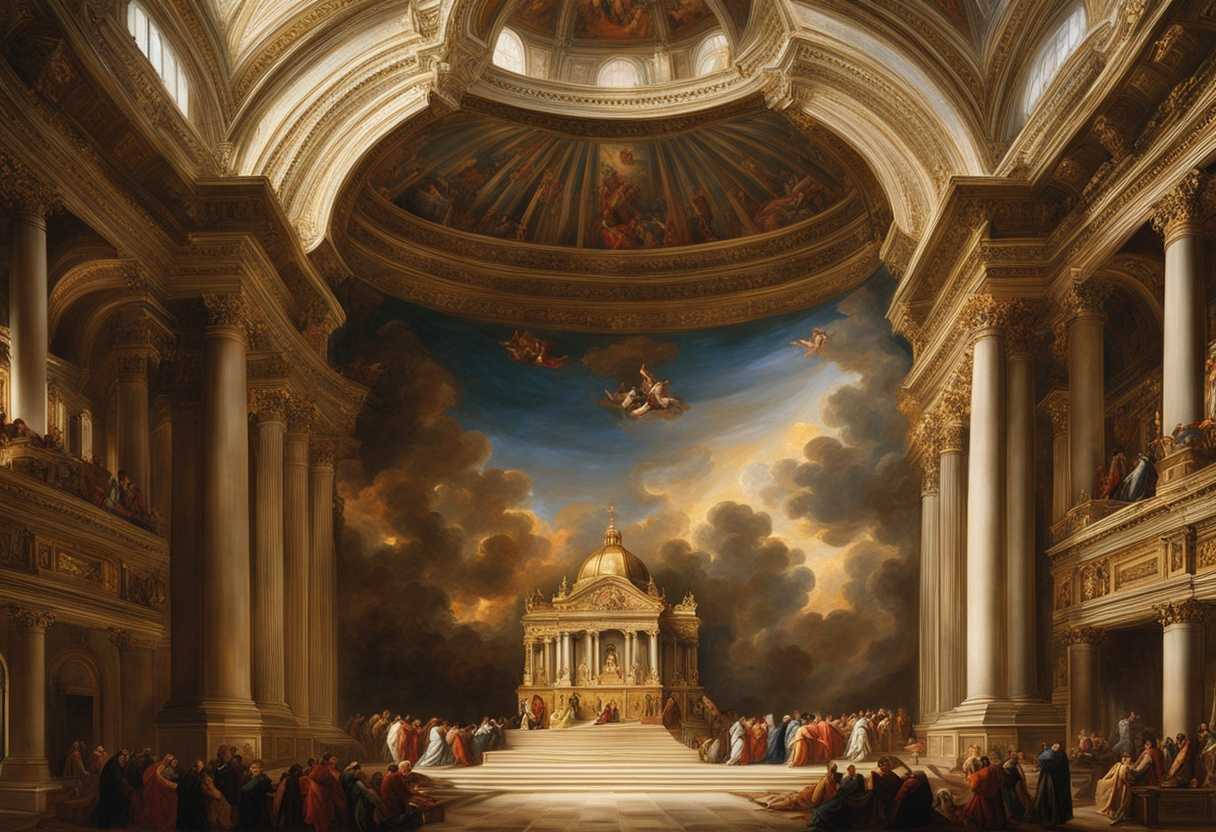
The True Meaning of Exodus 40
The Book of Exodus, the second book of the Bible, was written by Moses, the great prophet and leader of the Israelites. This chapter describes the final instructions for the construction and consecration of the Tabernacle, the portable sanctuary that would serve as the dwelling place of God among the Israelites during their journey through the wilderness as the narrative continues from the previous book of Genesis. The Israelites meticulously follow the detailed instructions for setting up the Tabernacle, culminating their obedience to God’s commands in this chapter. This event marks a significant milestone in the Israelites’ relationship with the divine, as they prepare to embark on their journey towards the Promised Land, guided by the presence of God’s glory.
The chapter’s emphasis on the precise execution of God’s instructions echoes the importance of obedience and reverence that has been a recurring theme throughout the book of Exodus. This is further reinforced by the frequent references to the “Lord” and the “commandment of the Lord,” underscoring the divine authority that governs the Israelites’ actions. The establishment of the Tabernacle serves as a tangible symbol of God’s abiding presence with His people as we delve into this chapter, a promise that will be tested and reaffirmed in the chapters to come.
Exodus 40:1-8
The final stages of the construction of the Tabernacle, a pivotal moment in the history of the Israelites as they journey through the wilderness, are witnessed in Exodus 40:1-8. The Lord instructs Moses on the sequence of events that will lead to the consecration of the Tabernacle. The importance of following these instructions precisely is highlighted to emphasize the sacredness of the Tabernacle as it will be the place where God will dwell among His people. This attention to detail not only demonstrates the Israelites’ obedience to God’s commands but also signifies the significance of honoring God through their actions.
The meticulous instructions given by God to Moses reveal the divine order and purpose in the establishment of the Tabernacle. The process of setting up the Tabernacle point by point serves as a metaphor for the order and reverence that should be present in the worship of God. This prelude to the consecration signifies the readiness of the Israelites to receive God’s presence and blessings in their midst.
The anointing of the Tabernacle and its furnishings with the consecrated anointing oil portrays the sanctification of these items for holy use in the service of God. This act demonstrates that the mundane is transformed into the sacred when dedicated to the Lord. It reinforces the idea that everything associated with the worship of God must be set apart and treated with reverence. Just as the Tabernacle was anointed, believers are also called to consecrate themselves and present their bodies as living sacrifices, holy and pleasing to God (Romans 12:1).
Furthermore, the sanctification of Aaron and his sons for the priesthood illustrates the importance of intercession and mediation between the people and God. The priests were ordained to represent the people before God and to make atonement for their sins. This foreshadows the ultimate High Priest, Jesus Christ, who would offer Himself as the perfect sacrifice for the sins of humanity once and for all (Hebrews 9:11-14). Exodus 40:1-8 encapsulates the importance of obedience, reverence, and sanctification in worshiping God. The meticulous preparation and consecration of the Tabernacle serve as a template for believers to approach God with humility, reverence, and a desire to honor Him in all aspects of their lives. It reminds us that our worship should be characterized by order, holiness, and a sincere heart, as we seek to draw near to the Holy One.
Exodus 40:9-16
The passage in Exodus 40:9-16 describes the anointing and consecration of the Tabernacle and all its furnishings, as well as the priests who will serve in it. This section of the text is crucial as it marks the completion of the construction of the Tabernacle, a sacred place where the Israelites could worship God and symbolically meet with Him.
The anointing oil is used to sanctify the Tabernacle and everything in it, making them holy and set apart for God’s service. This act of anointing is a powerful symbol of dedication and consecration. The oil itself was made of a specific recipe given by God to Moses, consisting of various spices and olive oil (Exodus 30:22-33). This anointing process highlights the importance of setting things apart for God’s work and emphasizes the sacredness of the Tabernacle. The consecration of Aaron and his sons as priests is significant as it establishes their roles as mediators between God and the people of Israel. The priesthood was a central institution in Israelite worship, and the consecration ceremony served to officially commission Aaron and his sons for their priestly duties. This passage underscores the importance of the priesthood in facilitating the relationship between God and His people, as well as the necessity of having ordained individuals to carry out specific functions within the religious community.
Additionally, the placement of the altar of burnt offering and the laver between the Tabernacle and the altar highlights the importance of purification and sacrifice in approaching God. The altar of burnt offering was where animal sacrifices were made to atone for sins and express devotion to God, while the laver was used for the priests to wash before entering the Tabernacle to symbolize cleansing and sanctification. These elements reflect the themes of repentance, forgiveness, and purity that are central to the biblical narrative and the relationship between humanity and God. This passage in Exodus 40 underscores the significance of ritual, consecration, and the priesthood in the worship and service of God. It emphasizes the importance of setting things apart for sacred use, the symbolism of purification and sacrifice, and the role of ordained individuals in mediating the relationship between God and His people. These themes resonate throughout the Bible and reinforce the idea of holiness, dedication, and the need for spiritual intermediaries in the divine-human interaction.
Exodus 40:17-19
The completion of the tabernacle, a portable dwelling place for God, is detailed in Exodus 40:17-19, marking a pivotal moment in the book of Exodus. These verses outline the sequence of events that signify the fulfillment of God’s instructions to Moses regarding the construction of the tabernacle. The tabernacle serves as a tangible symbol of God’s presence among His people as the Israelites journey through the wilderness en route to the Promised Land, a physical representation of His covenant with them. The tabernacle is set up on the first day of the first month in verse 17, signifying a new beginning for the Israelites. The tabernacle’s completion parallels the creation narrative in Genesis, emphasizing the restoration and renewal that come with God’s presence. This act of setting up the tabernacle also symbolizes God dwelling among His people, fulfilling His promise to be their God and for them to be His people (Exodus 29:45).
Furthermore, the careful attention to detail in following God’s instructions for the construction and setup of the tabernacle highlights the importance of obedience and reverence in worship. The tabernacle was a sacred space where God’s holiness dwelt, and it required meticulous adherence to God’s commands. This serves as a timeless lesson for believers today, emphasizing the need for obedience and reverence in worshiping a holy and righteous God.
Additionally, the tabernacle foreshadows the coming of Jesus Christ, who would ultimately serve as the ultimate dwelling place of God among humanity (John 1:14). Through Jesus, God dwelt among His people in human form, offering salvation and reconciliation to all who believe in Him. The tabernacle’s completion in Exodus points forward to the ultimate fulfillment of God’s promise to dwell with His people through Jesus Christ. Exodus 40:17-19 underscores the themes of God’s presence, obedience, and worship, highlighting the importance of honoring God’s holiness and following His instructions. We, as believers, are called to emulate the Israelites in their reverence for God and their commitment to fulfilling His plans for His people. Just as God dwelt among the Israelites in the tabernacle, He desires to dwell in our hearts today through faith in Christ and the indwelling of the Holy Spirit (1 Corinthians 3:16).
Exodus 40:20-21
Moses set up the tabernacle in Exodus 40:20-21, placing the tablets of the covenant law inside the ark. This act marked the completion of the construction of the tabernacle. The significance of this moment cannot be understated, as the tabernacle was central to the Israelites’ worship and their relationship with God.
Moses placing the tablets of the covenant law inside the ark symbolizes the importance of God’s commandments in the lives of the Israelites. These tablets, inscribed by the very finger of God, represented the covenant between God and His people. Moses emphasized the centrality of God’s law in the worship and daily lives of the Israelites by placing them in the ark within the tabernacle.
The act of setting up the tabernacle also signified God’s presence among His people. The tabernacle was where God would dwell among the Israelites, symbolizing His closeness and accessibility to them. This demonstrates the concept of Immanuel – God with us – which is a recurring theme throughout the Bible. The tabernacle was a visual reminder of God’s faithfulness and His desire to dwell among His people.
Furthermore, the completion of the tabernacle and the placement of the covenant inside the ark marked a new chapter for the Israelites. They were now fully equipped to journey forth, led by the pillar of cloud by day and the pillar of fire by night, guided by the presence of God. This journey was not just a physical one through the wilderness, but also a spiritual one as the Israelites learned to trust and depend on God for their every need. The tabernacle serves as a foreshadowing of the ultimate tabernacle – Jesus Christ in the larger narrative of the Bible. “The Word became flesh and made His dwelling among us is mentioned in John 1:14.”” Jesus, like the tabernacle, represents God dwelling among His people. Through His life, death, and resurrection, Jesus provided the ultimate way for humanity to have intimate fellowship with God. Just as the tabernacle was a place of worship and sacrifice, Jesus became the perfect sacrifice for the sins of the world. Exodus 40:20-21 captures a significant moment in Israelite history, highlighting the establishment of the tabernacle, the presence of God among His people, and the importance of God’s law in the lives of believers. This event serves as a foundation for understanding God’s desire for relationship with His people and points forward to the ultimate fulfillment of that relationship through Jesus Christ.
Exodus 40:22-23
Moses placed the table in the tent of meeting on the north side of the tabernacle, outside the curtain, and set out the bread on it before the Lord, as the Lord commanded him.” These verses describe Moses setting up the table of the Bread of the Presence in the tabernacle as per God’s instructions. The table of the Bread of the Presence, also known as the showbread or the bread of the faces, was an important element in the tabernacle. It was a table where 12 loaves of bread were placed, representing the 12 tribes of Israel, and were to be replaced weekly by the priests.
This act of setting up the table and the bread before the Lord signified the provision and sustenance provided by God to His people. It was a reminder to the Israelites that God was their provider and that they were to depend on Him for their daily needs. This ritual of the Bread of the Presence was also seen as a way for the Israelites to commune with God, as the table symbolized His presence among His people.
The placement of the table on the north side of the tabernacle was significant because in ancient Near Eastern culture, the north was often associated with divine presence and power. Placing the table on the north side could symbolize the nearness of God to His people and His willingness to provide for them.
The act of setting out the bread on the table before the Lord was a physical demonstration of obedience to God’s commands. Throughout the Bible, obedience to God is highlighted as crucial for His people. The act of setting up the table and the bread exactly as commanded showed Moses’ faithfulness and submission to God’s will. These verses highlight the importance of rituals and obedience in the worship of God in a broader context. They remind believers of the significance of following God’s commands and the symbolism behind each act of worship. Just as Moses carefully followed God’s instructions in setting up the table of the Bread of the Presence, believers are called to obey and worship God faithfully in their own lives.
This ritual of the Bread of the Presence continued in the tabernacle and later in the temple, where the showbread was placed in the Holy Place. The presence of the Bread of the Presence served as a constant reminder to the Israelites of God’s faithfulness and provision. Jesus in the New Testament also referred to this bread when teaching about Himself as the Bread of Life (John 6:35), emphasizing the spiritual nourishment that comes from being in a relationship with Him.
Exodus 40:24-25
The verses in Exodus 40:24-25 describe Moses’ actions as he sets up the Tabernacle as instructed by God. Let’s identify the subject: “we”
“We will break down these verses and delve into their significance.” “He placed the lampstand in the tent of meeting opposite the table on the south side of the tabernacle and set up the lamps before the Lord, as the Lord had commanded him. Moses places the lampstand inside the tent of meeting in this section, which was situated on the south side of the tabernacle. The lampstand, also known as the menorah, held several lamps and was to be kept burning continually. This act was symbolic of the light of God always shining in the midst of His people. The lamps represent the presence of God and His guidance, offering illumination in the darkness. This placement of the lampstand also signifies the importance of light and how God’s light should always be present in our lives to guide us through the darkness.
- “He placed the gold altar in the tent of meeting in front of the curtain and burned fragrant incense on it, as the Lord had commanded him.” (Exodus 40:25)
This verse highlights Moses setting up the gold altar inside the tent of meeting. The altar was specifically designated for burning incense, and this act of burning fragrant incense symbolized the prayers and worship of the people rising up to God. The smoke of the incense was believed to carry the prayers of the people to God, creating a fragrant offering before Him. This act of burning incense was a way for the Israelites to communicate with God, seeking His presence and favor. It emphasizes the importance of prayer and worship in our relationship with God, showcasing the significance of our offerings and communication with Him.
Moses’ obedience in carrying out these commands from God showcases his faithfulness and commitment to following God’s instructions to the letter. It illustrates the importance of obedience in the life of a believer and how adherence to God’s commands leads to the manifestation of His presence among His people. These actions performed by Moses were not just ceremonial but held deep spiritual significance, highlighting the importance of symbolism and ritual in the worship of God.
This passage in Exodus 40 ties back to the initial instructions given by God to Moses regarding the construction of the Tabernacle and its components. It serves as a culmination of the detailed directives provided in earlier chapters, emphasizing the completion and consecration of the Tabernacle for worship. Additionally, the placement of these items like the lampstand and the incense altar within the Tabernacle carries symbolism and serves as a testament to the Israelites’ devotion to God and His presence among them.
Exodus 40:26-27
Moses completes the construction of the tabernacle according to the commands given to him by God in Exodus 40:26-27. The section reads: “He placed the gold altar in the Tabernacle in front of the inner curtain. Then he burned fragrant incense on it, just as the Lord had commanded him.” These verses signify the completion of the construction of the tabernacle and the initiation of the priestly duties that would take place within its walls.
Moses placing the gold altar in the Tabernacle was a significant act as the altar played a central role in the worship practices of the Israelites. The altar symbolized the presence of God and was used for offering sacrifices and burning incense to God. Moses demonstrated his obedience and faithfulness to God’s instructions by following God’s command precisely and placing the altar in its designated spot.
The burning of fragrant incense on the altar was also a crucial aspect of worship in the tabernacle. The incense represented the prayers of the people ascending to God and symbolized the pleasing aroma of their worship. This act highlighted the importance of prayer and worship in the lives of the Israelites, emphasizing the need for continual communication and communion with God.
The meticulous attention to detail in constructing the tabernacle and carrying out its rituals was a constant reminder for the Israelites to follow God’s commands precisely. It served as a visual representation of the holiness of God and the necessity for His people to approach Him with reverence and obedience. The tabernacle also foreshadowed the coming of Jesus Christ, who would serve as the ultimate mediator between God and humanity, bridging the gap created by sin. The completion of the tabernacle and the initiation of the priestly duties symbolize the establishment of a covenantal relationship between God and His people in a broader sense. The tabernacle served as a meeting place where God’s presence dwelt among the Israelites, demonstrating His desire to be in relationship with them. This theme of God desiring a relationship with His people runs throughout the Bible, culminating in the ultimate expression of God’s love through the sacrifice of Jesus Christ for the forgiveness of sins (John 3:16). Exodus 40:26-27 captures the culmination of God’s instructions to Moses regarding the construction and dedication of the tabernacle. It underscores the importance of obedience, worship, and communication with God in the life of believers. The tabernacle serves as a powerful symbol of God’s presence among His people and His desire for a covenantal relationship with them, a theme that resonates throughout scripture and points towards the ultimate sacrifice of Jesus Christ for the redemption of humanity.
Exodus 40:28-29
Moses completed the work of setting up the tabernacle as described in Exodus 40:28-29. It reads, “He set the screen of the entrance to the tabernacle. And he set the altar of burnt offering at the entrance of the tabernacle of the tent of meeting, and offered on it the burnt offering and the grain offering, as the Lord had commanded Moses.” These verses signify the completion of the construction of the tabernacle as instructed by God to Moses. The setting up of the tabernacle was a significant event because it was the place where God chose to dwell among His people during their journey through the wilderness.
The setting up of the altar of burnt offering at the entrance of the tabernacle held great symbolic significance. The burnt offering was a sacrifice made to atone for sins and to seek forgiveness from God. Moses followed the commandments of God and sought His favor for the people of Israel by offering the burnt offering. This act emphasizes the importance of obedience to God’s commands and the need for sacrifices as a way of seeking forgiveness and reconciliation with Him. The tabernacle and the altar of burnt offering in the broader context of the Bible foreshadow the coming of Jesus Christ as the ultimate sacrifice for the sins of humanity. Just as the Israelites made sacrifices at the tabernacle to atone for their sins, Jesus offered Himself as the perfect sacrifice to reconcile humanity with God. Hebrews 9:11-14 explains how Christ entered the greater and more perfect tabernacle, not made with human hands, once for all time, securing eternal redemption.
The meticulous attention to detail in setting up the tabernacle and following God’s instructions serves as a lesson in obedience and faithfulness. It shows the importance of honoring God’s commands and the blessings that come from wholeheartedly carrying them out. This narrative in Exodus reinforces the idea that God is faithful to His promises and expects His people to be faithful in return. Just as Moses faithfully completed the construction of the tabernacle, we are called to faithfully obey and serve God in our own lives.
Exodus 40:30-32
We can break down several important sections in Exodus 40:30-32 for a detailed interpretation. The verses read, “He set the basin between the tent of meeting and the altar and put water in it for washing, and Moses and Aaron and his sons used it to wash their hands and feet. When they went into the tent of meeting, and when they approached the altar, they washed, as the Lord commanded Moses.”
Firstly, the setup of the basin between the tent of meeting and the altar signifies the importance of purity and cleanliness before approaching the presence of the Lord. The act of washing hands and feet held symbolic significance of purification and readiness to serve God. This ritual cleansing was a physical representation of inner spiritual cleansing, reminding the priests of the need to approach God with reverence and purity.
Moses and Aaron, as the prominent figures in the Israelites’ journey and the leaders appointed by God, exemplified obedience to God’s commands by following the washing ritual diligently. This act demonstrates the importance of leaders setting an example for the community in obeying God’s instructions and maintaining holiness. It also reinforces the idea of humility before God, as even the great leaders like Moses and Aaron humbled themselves to follow God’s prescribed rituals.
The reference to God’s command to wash before entering the tent of meeting or approaching the altar highlights the emphasis on holiness and reverence in worship. This act of washing was not merely a physical task but a spiritual practice that conveyed the importance of preparation and respect in coming before the Lord. This ritual of washing also foreshadows the concept of spiritual cleansing and forgiveness that would later be fulfilled through Christ in the New Testament.
This passage in Exodus 40 connects to other verses in the Bible that emphasize the importance of cleanliness and purity in approaching God. Psalm 24:3-4 says, “Who may ascend the mountain of the Lord? Who may stand in his holy place? The one who has clean hands and a pure heart.” This echoes the idea presented in Exodus 40 of the necessity of purification before entering God’s presence. Exodus 40:30-32 teaches us about the significance of ritual cleansing, obedience to God’s commands, and the importance of approaching God with reverence and holiness. It reminds us of the need for spiritual purity and readiness to serve the Lord. Through the actions of Moses and Aaron, we are shown the example of humility and obedience in worship, traits that are timeless and applicable to all believers seeking to draw near to God.
Exodus 40:33
“He erected the court round about the tabernacle and the altar, and set up the hanging of the court gate.” So Moses finished the work. Moses completes the construction of the tabernacle according to the instructions given to him by God on Mount Sinai in this verse. The tabernacle was a portable sanctuary that the Israelites used during their journey through the wilderness. The tabernacle consisted of the Holy Place and the Most Holy Place, separated by a curtain. Within the tabernacle were the Ark of the Covenant, the table for the Bread of the Presence, and the golden lampstand.
The construction of the tabernacle was a significant event in the history of the Israelites, as it symbolized God’s presence among His people. The details and measurements of the tabernacle were precise and held deep spiritual significance. The completion of the tabernacle marked a crucial moment in the Israelites’ journey towards fulfilling God’s purposes for them.
This verse also highlights the importance of obedience and faithfulness in carrying out God’s instructions. Moses diligently followed the exact specifications laid out by God, demonstrating his commitment to honoring God’s commands. This serves as a powerful reminder for believers today to be obedient to God’s word and to carry out His will with faith and dedication.
The setting up of the court gate around the tabernacle symbolizes the separation between the sacred and the profane. This segregation was essential to maintain the holiness of the tabernacle and to demonstrate the reverence that the Israelites were to have for the dwelling place of God. This concept of holiness and separation is a recurring theme in the Bible, emphasizing the need for believers to set themselves apart from the ways of the world and to consecrate themselves to God. Exodus 40:33 underscores the importance of obedience, faithfulness, and holiness in the lives of God’s people while recounting the completion of the tabernacle. It serves as a reminder of the significance of honoring God’s commands and walking in His ways, as exemplified by Moses in this passage.
Exodus 40:34-38
We see the culmination of all the meticulous instructions that God had given to Moses for the construction of the Tabernacle in these final verses of Exodus 40. Let’s break down this passage into a few key sections for a detailed commentary:
-
“Then the cloud covered the tent of meeting, and the glory of the Lord filled the tabernacle.” – This moment is awe-inspiring, as the cloud representing the presence of God descends upon the Tabernacle, filling it with His glory. The cloud was a visible symbol of God’s presence and guidance for the Israelites throughout their wilderness journey. This manifestation of God’s glory reaffirms His presence among His people and marks the completion of the construction of the Tabernacle according to His specifications. This highlights the importance of obedience and faithfulness to God’s instructions, knowing that His presence and glory will be with us when we follow His ways diligently.
-
“And Moses was not able to enter the tent of meeting because the cloud settled on it, and the glory of the Lord filled the tabernacle.” – The fact that Moses, the one chosen by God to lead the Israelites and communicate with Him, could not enter the Tabernacle due to the overwhelming presence of God’s glory signifies the holiness and sacredness of the place. It emphasizes the need for reverence and respect in the presence of God. This moment foreshadows the exclusivity of access to God in the Old Testament, where only the high priest could enter the Most Holy Place once a year on the Day of Atonement to make atonement for the sins of the people (Hebrews 9:7).
-
“Throughout all their journeys, whenever the cloud was taken up from over the tabernacle, the people of Israel would set out.” – This verse encapsulates the central theme of the book of Exodus – God’s guidance and presence with His people. The cloud that covered the Tabernacle served as a divine GPS, leading the Israelites on their journey through the wilderness. When the cloud lifted, it was a sign for the Israelites to pack up and move, and when it settled, they were to encamp and stay put. This teaches us about the importance of being attuned to God’s leading in our lives and being obedient to His timing and directions. Proverbs 3:5-6 reminds us to trust in the Lord with all our hearts and lean not on our own understanding, but to acknowledge Him in all our ways, and He will direct our paths.
-
“For the cloud of the Lord was on the tabernacle by day, and fire was in it by night, in the sight of all the house of Israel throughout all their journeys.” – The imagery of the cloud by day and fire by night symbolizes God’s constant presence and protection over His people, regardless of the time of day. The cloud provided shade and guidance during the scorching desert days, while the fire brought light and warmth in the darkness of the night. This visual representation of God’s faithfulness and care for His chosen people should serve as a reminder for us today that God is with us always, even in the midst of our darkest moments (Isaiah 43:2). It also points towards the future promise of the Holy Spirit, who guides and comforts believers in their spiritual journey (John 14:16-17). Exodus 40:34-38 highlights themes of God’s presence, glory, guidance, and faithfulness towards His people, serving as a powerful conclusion to the book of Exodus. It reinforces the importance of obedience, reverence, and trust in following God’s instructions and following His leading in our lives. The Tabernacle, with its divine inauguration and significance, foreshadows the ultimate fulfillment of God’s presence among His people through Jesus Christ, who came to dwell among us (John 1:14) and to make a way for us to have direct access to God’s presence through His sacrifice on the cross (Hebrews 10:19-22). The lessons learned from the events in Exodus continue to resonate with believers today, reminding us of the unchanging nature of God and His desire to dwell among His people.
After Exodus 40
The people had followed God’s instructions to the letter, and the tabernacle was now complete. Moses inspected the work, and he was pleased. The glory of the Lord filled the tabernacle, a visible sign of God’s presence among his people. The Israelites knew that their journey was far from over as they gazed upon the tabernacle. The road ahead would be long and arduous, but they were not alone. For the Lord himself had promised to go with them, guiding and protecting them every step of the way. With renewed faith and determination, they prepared to follow wherever the cloud of the Lord would lead them.

Reverend Michael Johnson is an experienced Church Minister with a profound expertise in spirituality and guidance. With a serene presence and a compassionate heart, he has faithfully served his congregation for over 20 years, leading them on a spiritual journey towards inner peace and enlightenment. Reverend Johnson’s extensive knowledge of religious philosophies and profound understanding of human nature have made him a trusted confidant and mentor to many, as he seamlessly weaves his profound wisdom into life teachings. Reverend Johnson’s calming demeanor and empathetic nature continue to uplift and heal souls, nurturing a sense of unity and tranquility within his community.