
Exodus 9:12, 10:20 is about the continued hardening of Pharaoh’s heart despite witnessing the power and sovereignty of God, illustrating the consequences of stubbornness and pride in the face of divine intervention.
12 But the Lord hardened the heart of Pharaoh, and he did not listen to them, as the Lord had spoken to Moses.
20 But the Lord hardened Pharaoh’s heart, and he did not let the people of Israel go.
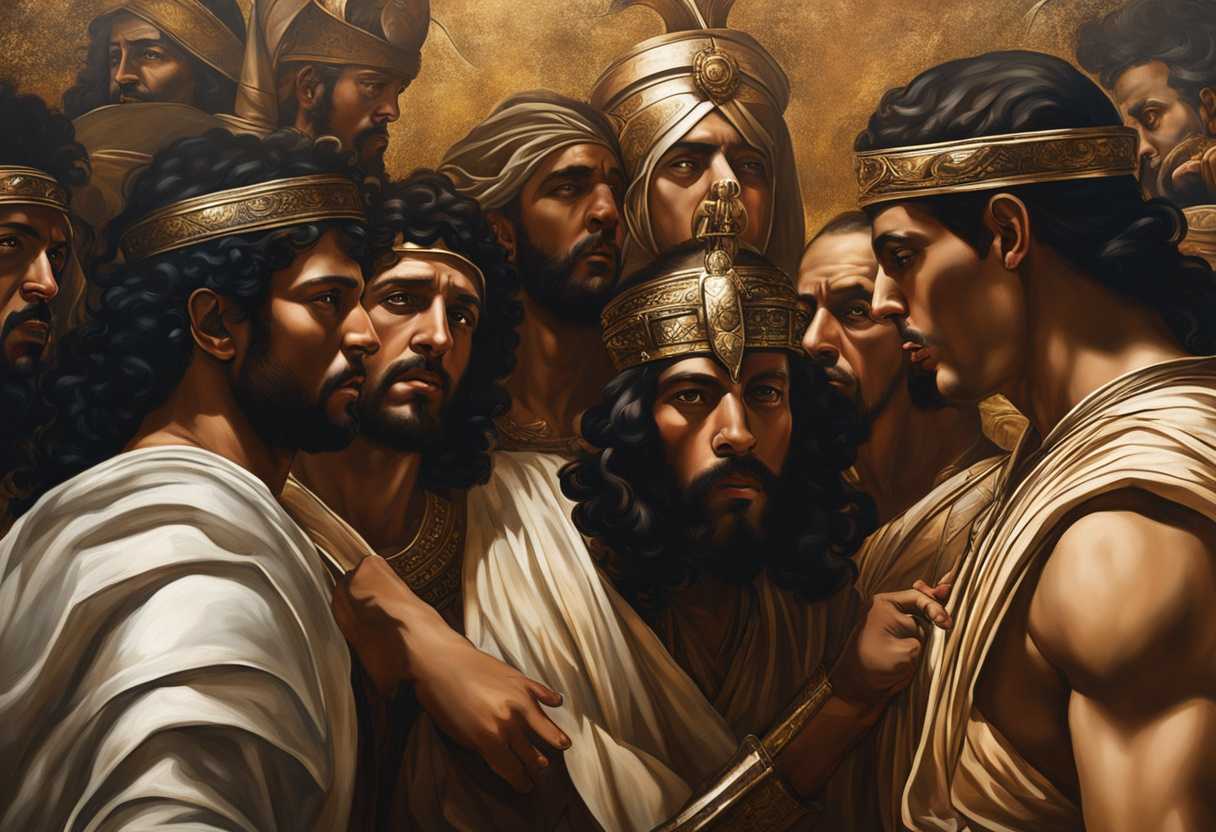
Setting the Scene for Exodus 9:12, 10:20
The scene in Exodus 9:12 and 10:20 takes place in the land of Egypt during the time when Moses and Aaron were sent by God to deliver the Israelites from their bondage. Pharaoh, the ruler of Egypt, is at the center of the scene, along with his advisors and court officials. The surroundings are grand and opulent, reflecting the power and wealth of the Egyptian empire.
Pharaoh, stubborn and defiant, has just witnessed another plague brought upon Egypt by the hand of God through Moses and Aaron. Despite the devastation caused by the plagues, Pharaoh remains hardened in his heart and refuses to let the Israelites go. His advisors, who are also present, are divided in their opinions, some urging Pharaoh to heed the warnings of Moses and Aaron, while others encourage him to stand firm against the God of the Israelites.
As the tension mounts and the plagues continue to wreak havoc on the land, Pharaoh’s resolve begins to waver. The scene is filled with a sense of impending doom as the consequences of Pharaoh’s stubbornness become increasingly apparent. The clash of wills between Pharaoh and the God of the Israelites reaches a critical point, setting the stage for the ultimate showdown between earthly power and divine authority.
What is Exodus 9:12, 10:20 about?
The intricate relationship between human free will and divine intervention in the biblical narrative is seen in this verse. The hardening of Pharaoh’s heart by God serves as a complex theological theme, inviting us to ponder questions about the nature of God’s sovereignty, human agency, and the consequences of our choices.
Why did God harden Pharaoh’s heart? Was it to demonstrate His power through the plagues on Egypt or to fulfill a greater purpose in the redemption of the Israelites? We grapple with these questions, prompting us to reflect on the intricate ways in which God works in the lives of individuals and nations, even in the face of resistance and stubbornness. This verse ultimately challenges us to consider the implications of our own actions and decisions. How do we respond to God’s call in our lives? Are we open to transformation and growth, or do we harden our hearts like Pharaoh, resisting the divine will? May we seek to cultivate hearts of humility, openness, and obedience to the divine guidance that leads us towards righteousness and liberation as we navigate these profound theological truths.
Understanding what Exodus 9:12, 10:20 really means
In the narrative of the ten plagues in Exodus, we encounter a profound struggle between divine will and human obstinacy. The repeated phrase “The Lord hardened Pharaoh’s heart” raises complex questions about the interplay of free will and divine sovereignty. It forces us to grapple with the idea that God actively influenced Pharaoh’s resistance, highlighting the tension between human choices and God’s ultimate plan.
Pharaoh’s relentless refusal to release the Israelites despite the mounting consequences encapsulates the theme of disobedience and its repercussions. The phrase “He would not let the Israelites go” underscores Pharaoh’s defiance against God’s commands, showcasing the consequences of stubbornness and pride in the face of divine authority.
These verses find resonance in other biblical passages that delve into the concept of God’s sovereignty over human hearts. Romans 9:17-18 and Proverbs 21:1 emphasize God’s ability to direct the hearts of rulers according to His purposes, underscoring the overarching theme of divine influence on human decisions. Similarly, 1 Samuel 6:6 serves as a cautionary reminder against hardening our hearts like Pharaoh, urging us to heed God’s will rather than resist it.
The relevance of Pharaoh’s hardened heart extends beyond ancient history, offering a poignant reflection on contemporary scenarios where individuals or leaders exhibit similar resistance to moral imperatives. It prompts us to consider instances in our own lives where we may be closing ourselves off to positive change or divine guidance, highlighting the importance of humility and openness to God’s leading.
Consider a scenario where a community leader’s pride and stubbornness lead to detrimental decisions with far-reaching consequences. This anecdote mirrors Pharaoh’s plight, serving as a sobering reminder of the dangers of a hardened heart and the impact of individual choices on the collective well-being. It underscores the significance of remaining receptive to God’s guidance and acting with compassion and justice in all circumstances.
As we reflect on these verses, let us introspect on areas in our lives where we may be resisting God’s prompting for positive transformation. Embracing humility and openness to divine will can pave the way for better outcomes not only for ourselves but also for those around us. These passages challenge us to examine our hearts, encouraging us to cultivate a spirit of receptivity to God’s guidance and a commitment to embody compassion and justice in our interactions with others.
Do we harden our hearts against God’s will?
These verses clearly warn us about hardening our hearts against God’s will. When we resist or go against God’s instructions or desires for us, we are essentially hardening our hearts. This act of refusal or disobedience can lead us further away from God’s intended path for us, hindering our spiritual growth and relationship with Him. Ignoring God’s will or choosing to follow our own ways risks closing off our hearts and minds to His guidance and blessings. It is important for us to remain open and receptive to God’s will, allowing Him to lead us in the right direction and shape us into the person He wants us to be. Let us strive to keep our hearts soft and malleable, ready to align with God’s plans for us rather than hardening ourselves against His loving guidance.
Application
Unlock the strength within, harness your beliefs, for just as a reliable GPS guides you through unknown terrains, let God’s power navigate your path. Picture your life as a complex puzzle, and God’s sovereignty as the missing piece that brings clarity and purpose. Dare to surrender and let His divine orchestration lead you to victory. Will you embrace the journey with conviction and stride confidently in His light?

Reverend Michael Johnson is an experienced Church Minister with a profound expertise in spirituality and guidance. With a serene presence and a compassionate heart, he has faithfully served his congregation for over 20 years, leading them on a spiritual journey towards inner peace and enlightenment. Reverend Johnson’s extensive knowledge of religious philosophies and profound understanding of human nature have made him a trusted confidant and mentor to many, as he seamlessly weaves his profound wisdom into life teachings. Reverend Johnson’s calming demeanor and empathetic nature continue to uplift and heal souls, nurturing a sense of unity and tranquility within his community.