
Ezekiel 20:27-32 is about the stubbornness and rebellion of the Israelites in their continuous disobedience to God’s laws, despite His countless attempts to lead them back to righteousness.
27 “Therefore, son of man, speak to the house of Israel and say to them, Thus says the Lord God: In this also your fathers blasphemed me, by dealing treacherously with me.
28 For when I had brought them into the land that I swore to give them, then wherever they saw any high hill or any leafy tree, there they offered their sacrifices and there they presented the provocation of their offering; there they sent up their pleasing aromas, and there they poured out their drink offerings.
29 Then I said to them, What is the high place to which you go? So its name is called Bamah to this day.
30 Therefore say to the house of Israel, Thus says the Lord God: Will you defile yourselves after the manner of your fathers and go whoring after their detestable things?
31 When you present your gifts and offer up your children in fire, you defile yourselves with all your idols to this day. And shall I be inquired of by you, O house of Israel? As I live, declares the Lord God, I will not be inquired of by you.
32 “What is in your mind shall never happen—the thought, ‘Let us be like the nations, like the tribes of the countries, and worship wood and stone.’”
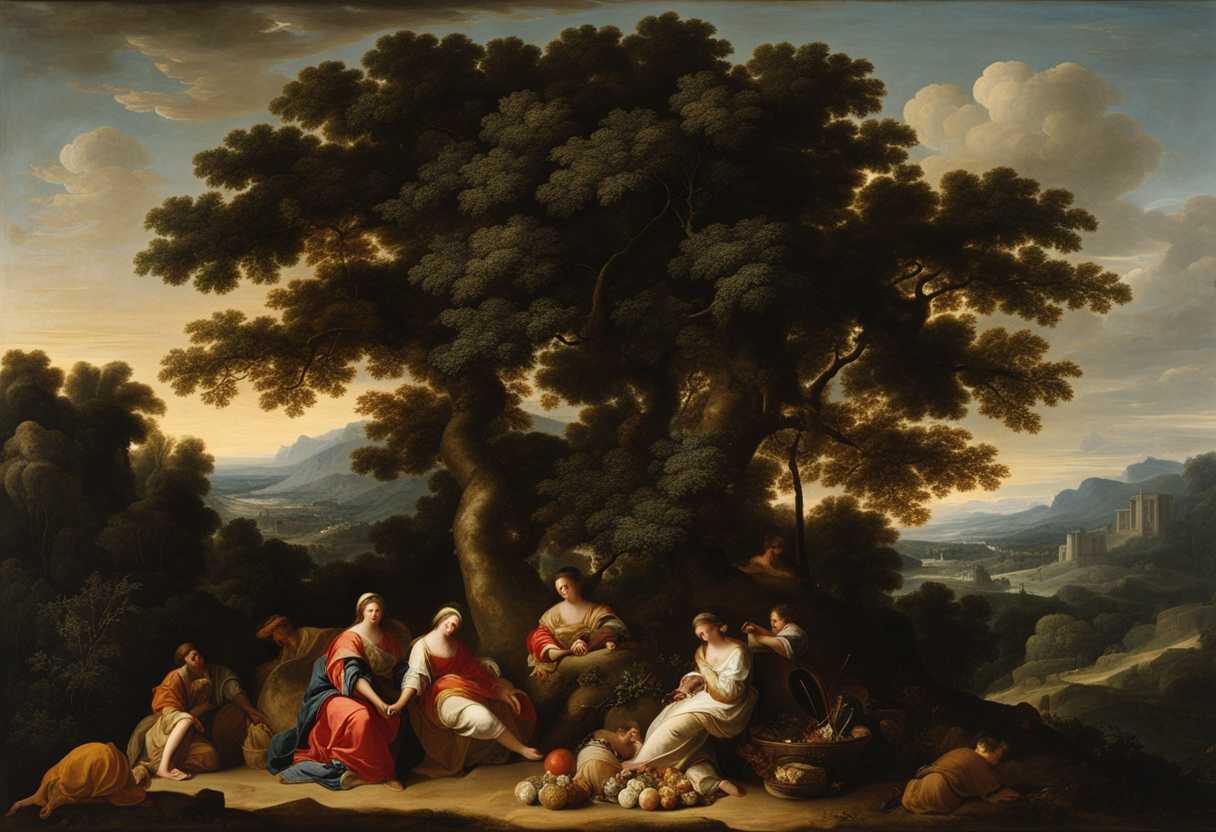
Setting the Scene for Ezekiel 20:27-32
In Ezekiel chapter 20, we find the prophet Ezekiel sitting among a group of elders from the exiled community of Judah. The scene takes place in a humble dwelling in Babylon, where the exiles have gathered to seek guidance and wisdom from Ezekiel. The room is dimly lit by oil lamps, casting a warm glow on the faces of those present.
The elders have come to Ezekiel seeking answers about their past transgressions and the consequences they are facing in exile. Ezekiel, known for his prophetic visions and unwavering faith, listens intently as the elders recount the sins of their ancestors and their own disobedience to God’s commandments. The weight of their guilt hangs heavy in the air, and Ezekiel’s words are both comforting and convicting as he implores them to repent and turn back to the Lord.
As the discussion unfolds, the room is filled with a mix of emotions – sorrow for their past mistakes, hope for forgiveness, and a renewed sense of determination to follow God’s ways. Through Ezekiel’s guidance, the elders begin to see a path towards redemption and restoration, knowing that God’s mercy is always available to those who seek it.
What is Ezekiel 20:27-32 about?
This verse speaks of a very powerful and profound theme in the Bible – the idea of God’s justice and mercy. It showcases the consequences of Israel’s disobedience and turning away from God, leading to His judgment upon them. It serves as a reminder that actions have consequences, especially when they go against God’s will.
Despite the impending judgment, there is a glimmer of hope in this verse. God’s promise of restoration signifies His unwavering love and mercy towards His people. It reminds us that no matter how far we may stray, God’s arms are always open for us to return to Him and be reconciled. It’s a powerful message of redemption and second chances, showing us that even in our darkest moments, God’s love and grace are always available to us.
Reflecting on this verse, we can ask ourselves: How have our actions strayed from God’s will? Are we willing to accept the consequences of our choices? And most importantly, do we trust in God’s promise of restoration and redemption for our lives? Let’s take this verse as a reminder to always seek God’s mercy and guidance, knowing that His love for us is unchanging and His promises are ever true.
Understanding what Ezekiel 20:27-32 really means
Ezekiel 20:27-32 delves into a crucial aspect of the Israelites’ history, shedding light on their struggle with idolatry and the repercussions of their actions. In the broader context of Ezekiel’s prophetic message, this passage serves as a poignant reminder of the covenant relationship between God and His people. The vivid imagery of the Israelites blaspheming God and engaging in detestable practices on high places underscores the severity of their disobedience.
During the Babylonian exile, Ezekiel’s words carried weight as the Israelites grappled with the consequences of their persistent rebellion. The narrative unfolds against the backdrop of a nation in turmoil, facing the harsh realities of their unfaithfulness. Through phrases like “blasphemed me” and “detestable practices,” the gravity of the Israelites’ actions is starkly portrayed, emphasizing the depth of their transgressions.
Drawing parallels to contemporary times, the concept of idolatry transcends mere physical idols to encompass anything that supplants God in our lives. Whether it be material possessions, ambitions, or relationships, modern-day idols can subtly infiltrate our hearts, diverting our focus from the true source of fulfillment. Ezekiel’s message resonates today, prompting introspection and a reevaluation of our priorities.
In a poignant illustration, envision an individual consumed by their career to the detriment of their personal and spiritual well-being. Just as the Israelites faced consequences for their idolatry, our modern-day idols can lead us down a path of brokenness and spiritual emptiness. The cautionary tale from Ezekiel serves as a beacon, guiding us to identify and dismantle the idols that threaten to eclipse our devotion to God.
As we contemplate Ezekiel’s admonition, we are urged to embark on a journey of self-reflection and repentance. By heeding the call to rid our lives of idols and recenter our focus on God, we align ourselves with His divine purpose. Through this realignment, we open ourselves to the abundant life that God promises, free from the entanglements of false gods. Ezekiel’s timeless message reverberates through the ages, beckoning us to embrace a life of wholehearted devotion to the one true God.
How do we prioritize our loyalty to God?
Ezekiel recounts in this passage how the Israelites repeatedly failed to prioritize their loyalty to God above all else. They worshiped idols, turned away from His commands, and defiled His Sabbaths. Despite God’s warnings and punishments, they continued to disobey and rebel against Him.
The lesson here is clear: our loyalty to God must always come first. We are called to worship Him alone, obey His commandments, and honor His ways above all else. We too can stray from His path if we do not put Him at the center of our lives, just as the Israelites faltered when they prioritized other gods and desires over their relationship with God.
Therefore, let us heed this warning from Ezekiel and ensure that our loyalty to God remains unwavering. May we constantly examine our hearts, actions, and priorities to ensure that we are living in a way that honors and pleases Him above all else.
Application
In the busy hustle of our modern lives, let’s pause and ponder: are there distractions pulling us away from what truly matters? Let’s learn from Ezekiel and declutter our hearts of any idols that overshadow our connection with the Divine. Take this as a wake-up call to realign our priorities and pledge our allegiance to God above all else. Are you ready to clear the way for a deeper, more meaningful relationship with the Almighty?

Reverend Michael Johnson is an experienced Church Minister with a profound expertise in spirituality and guidance. With a serene presence and a compassionate heart, he has faithfully served his congregation for over 20 years, leading them on a spiritual journey towards inner peace and enlightenment. Reverend Johnson’s extensive knowledge of religious philosophies and profound understanding of human nature have made him a trusted confidant and mentor to many, as he seamlessly weaves his profound wisdom into life teachings. Reverend Johnson’s calming demeanor and empathetic nature continue to uplift and heal souls, nurturing a sense of unity and tranquility within his community.